
The West Coast
In high school we had five school houses: Anawhata, Piha, Muriwai, Karekare, and Te Henga. In 2025 I realised that fourteen years after finishing secondary school I had only ever visited Muriwai, and once Piha.
-I visited Piha in 2022 while collecting all of the remaining Auckland Volcanic Zone Volcanoes, Piha’s Lion Rock is what remains of a volcanic plug from the Waitākere volcano.
It seemed only right to correct this oversight.
MURIWAI
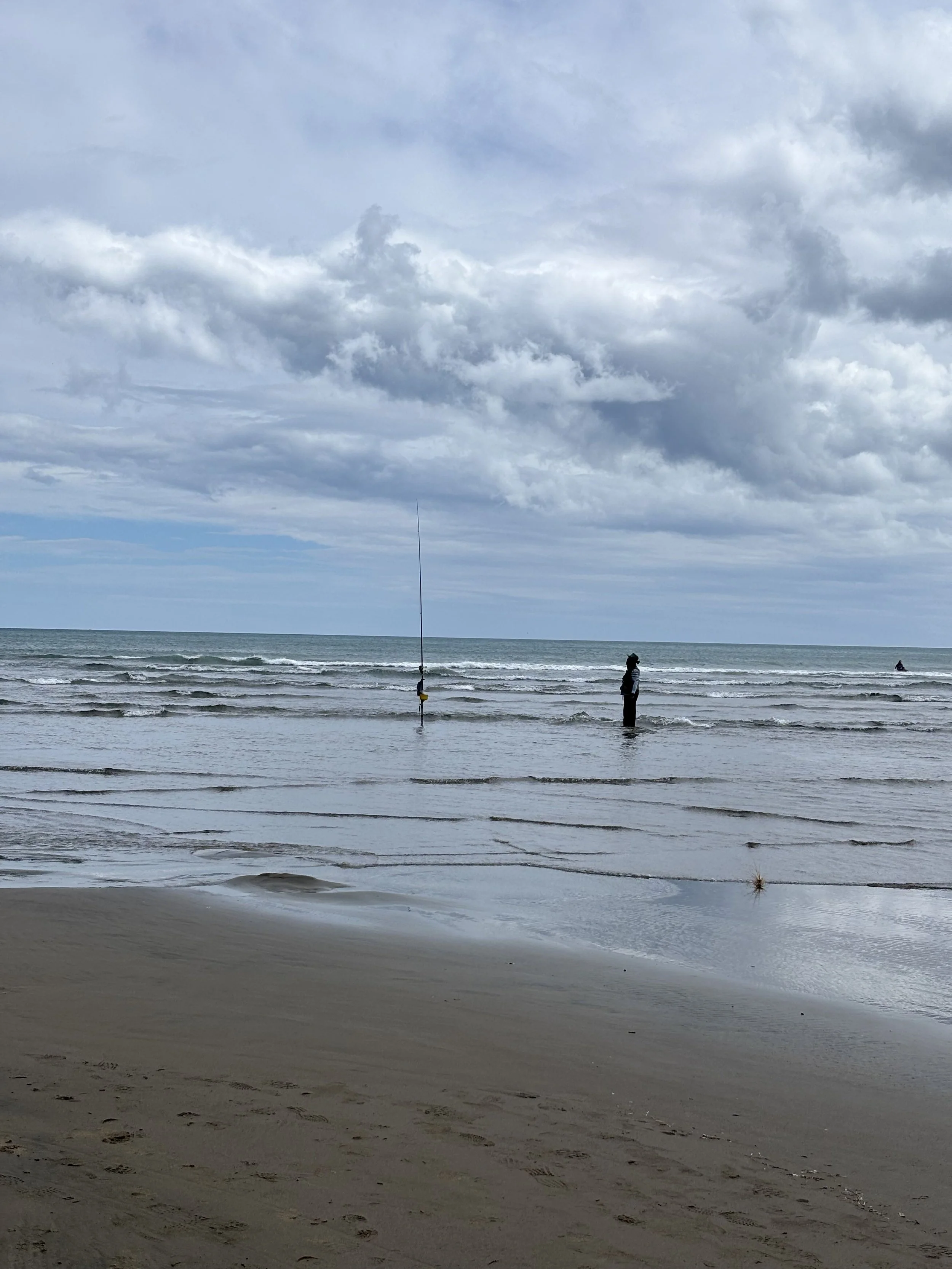
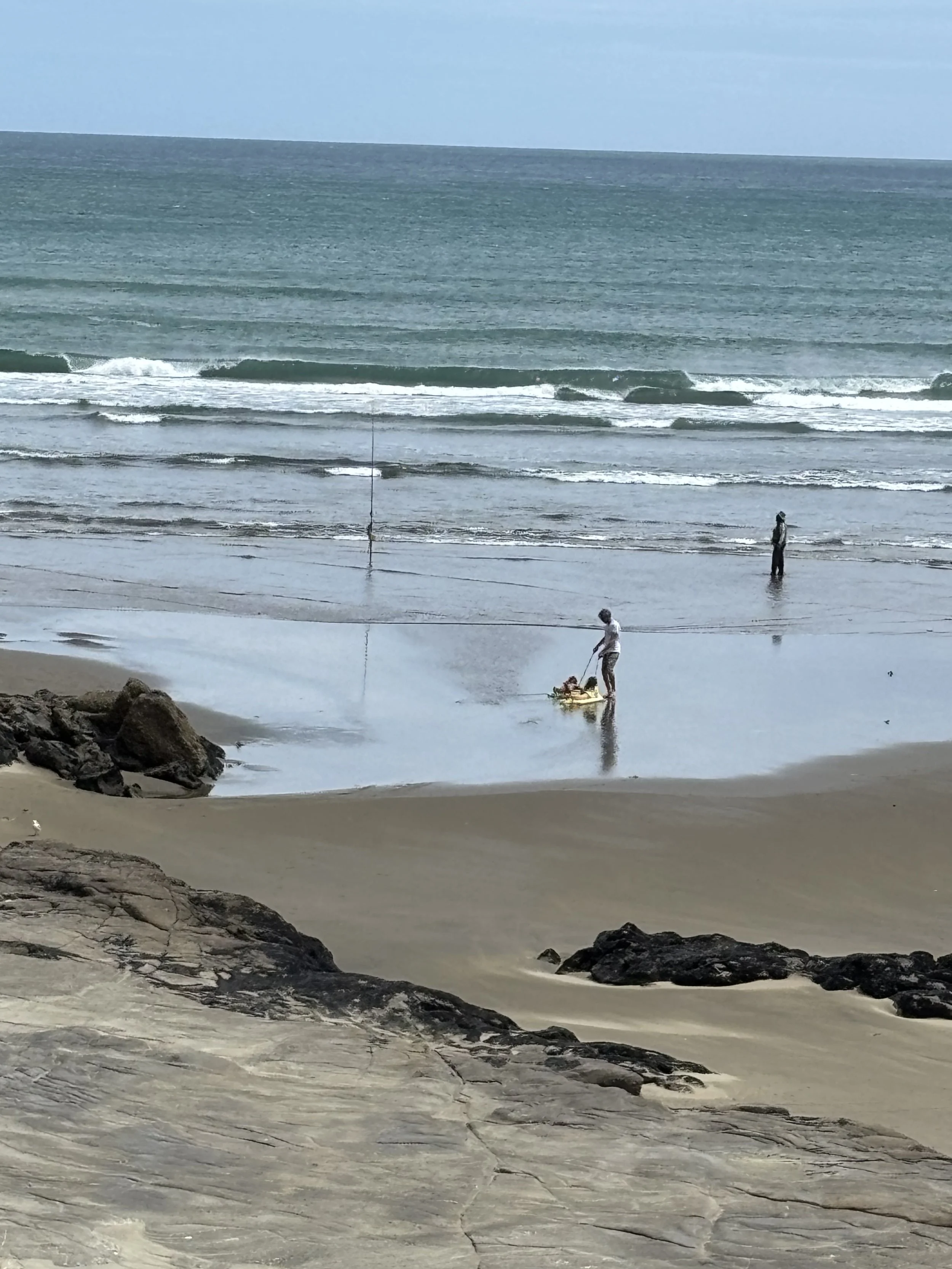
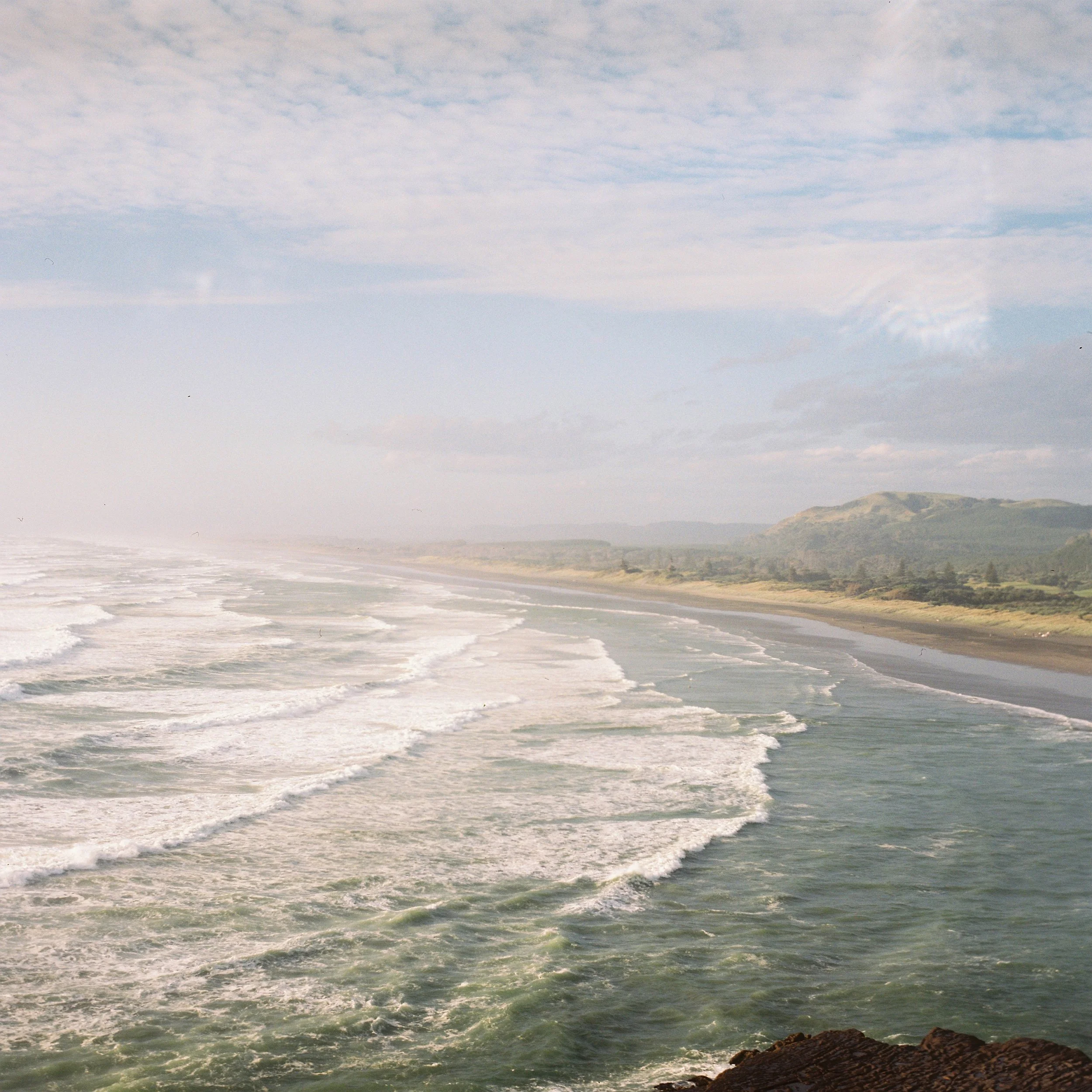
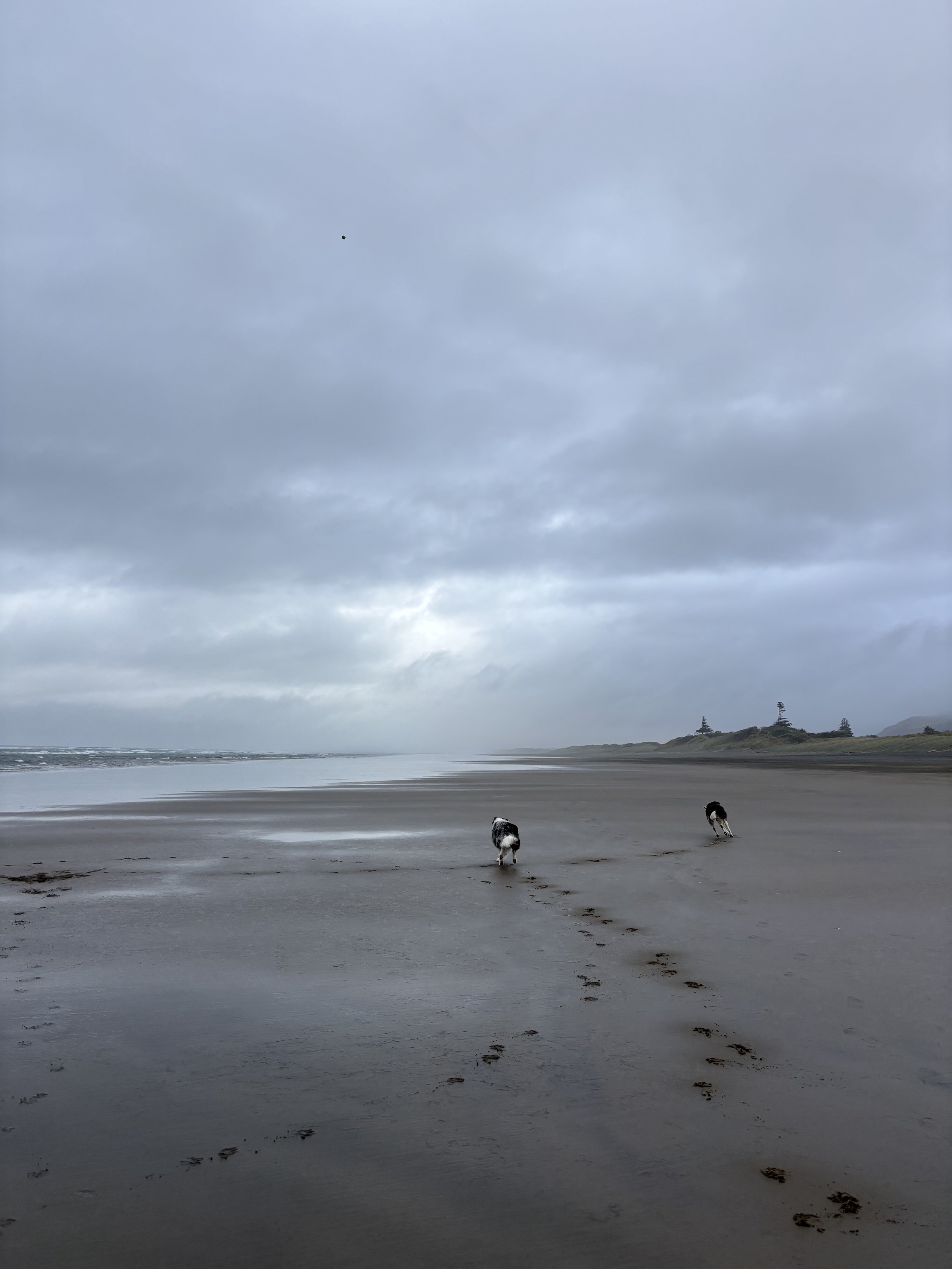
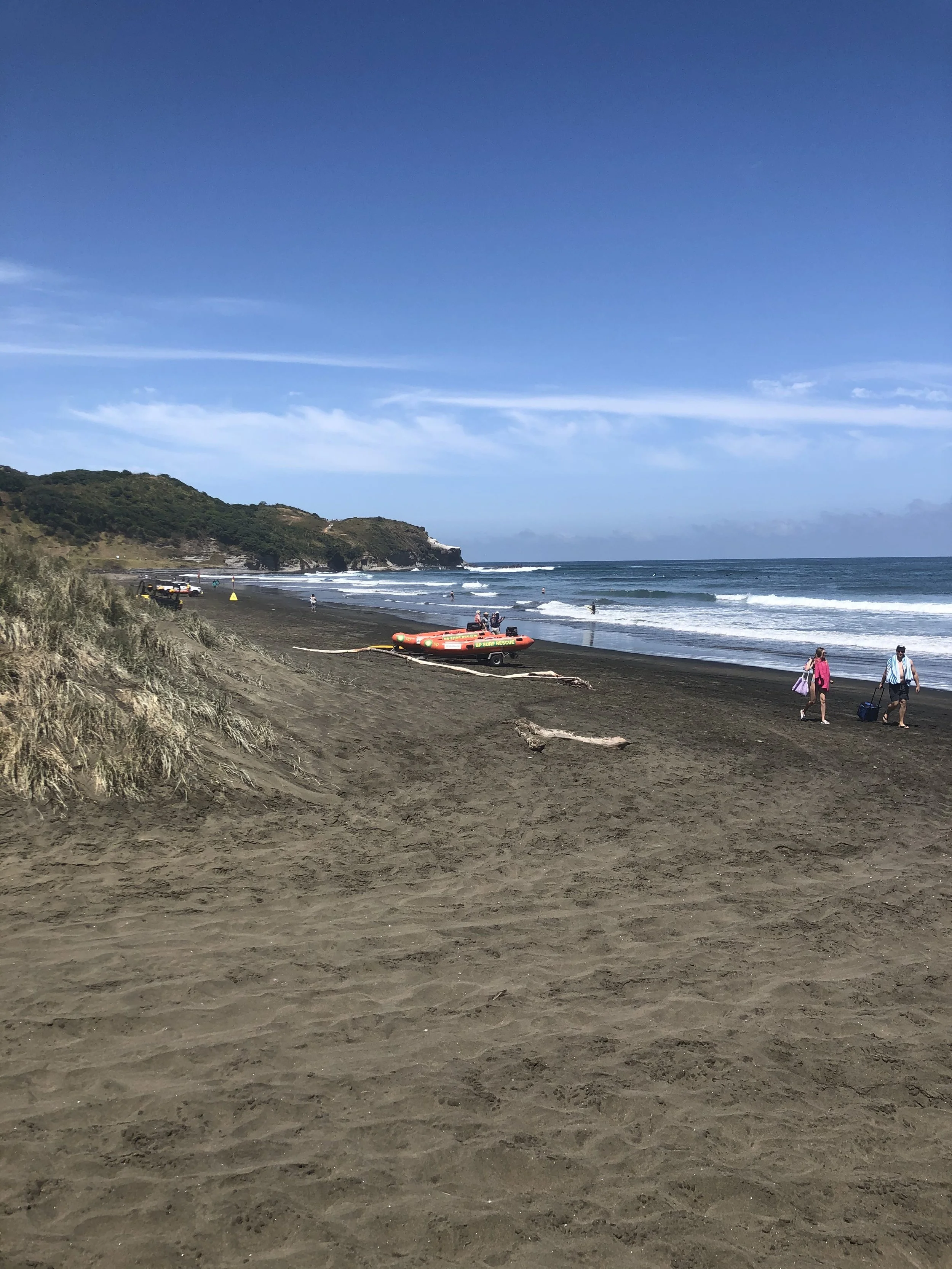
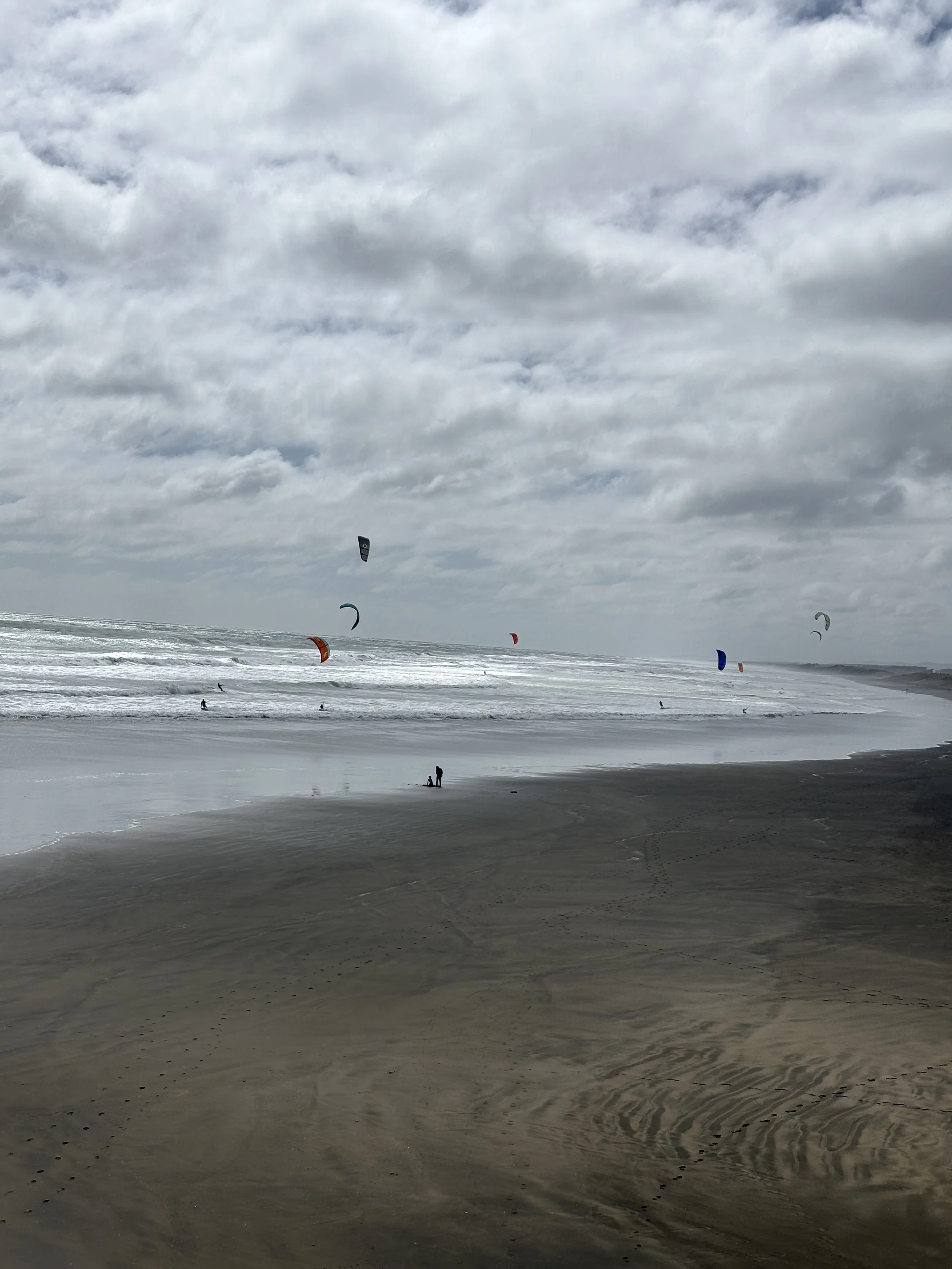
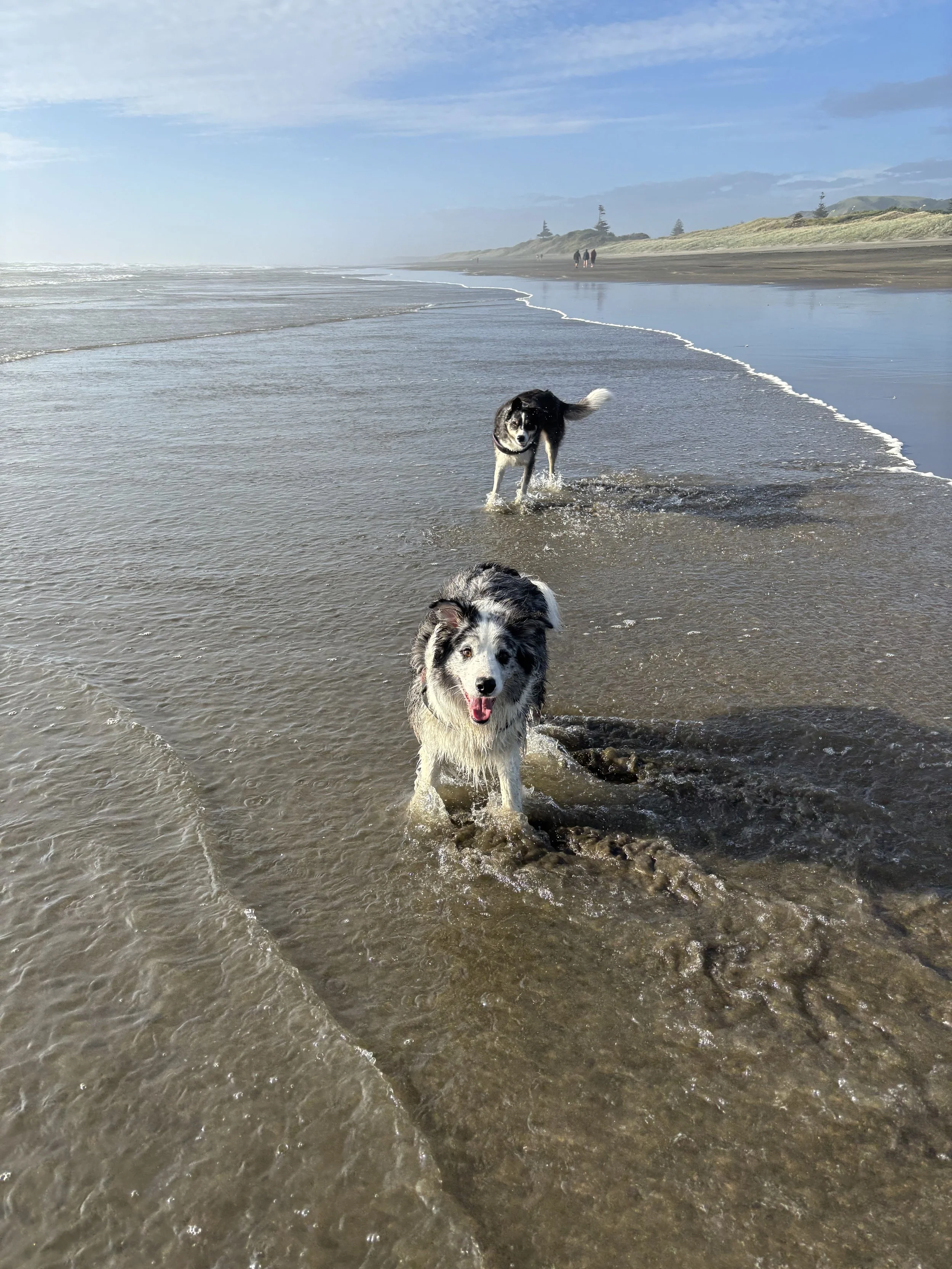
Starting in the north, Muriwai is well trodden black sand. I’ve been visiting since I can remember. Dog walks, sandcastles, swimming, surfing, lifeguards. I’ve seen seals and bluebottle jellies there. As beaches go, it’s home turf.
Muriwai is strange in that it kind of just keeps going to the north. Most of the west coast is tucked into alcoves but Muriwai carries on until its name changes with the neighbourhood rather than an actual boundary edge.
Maori Bay
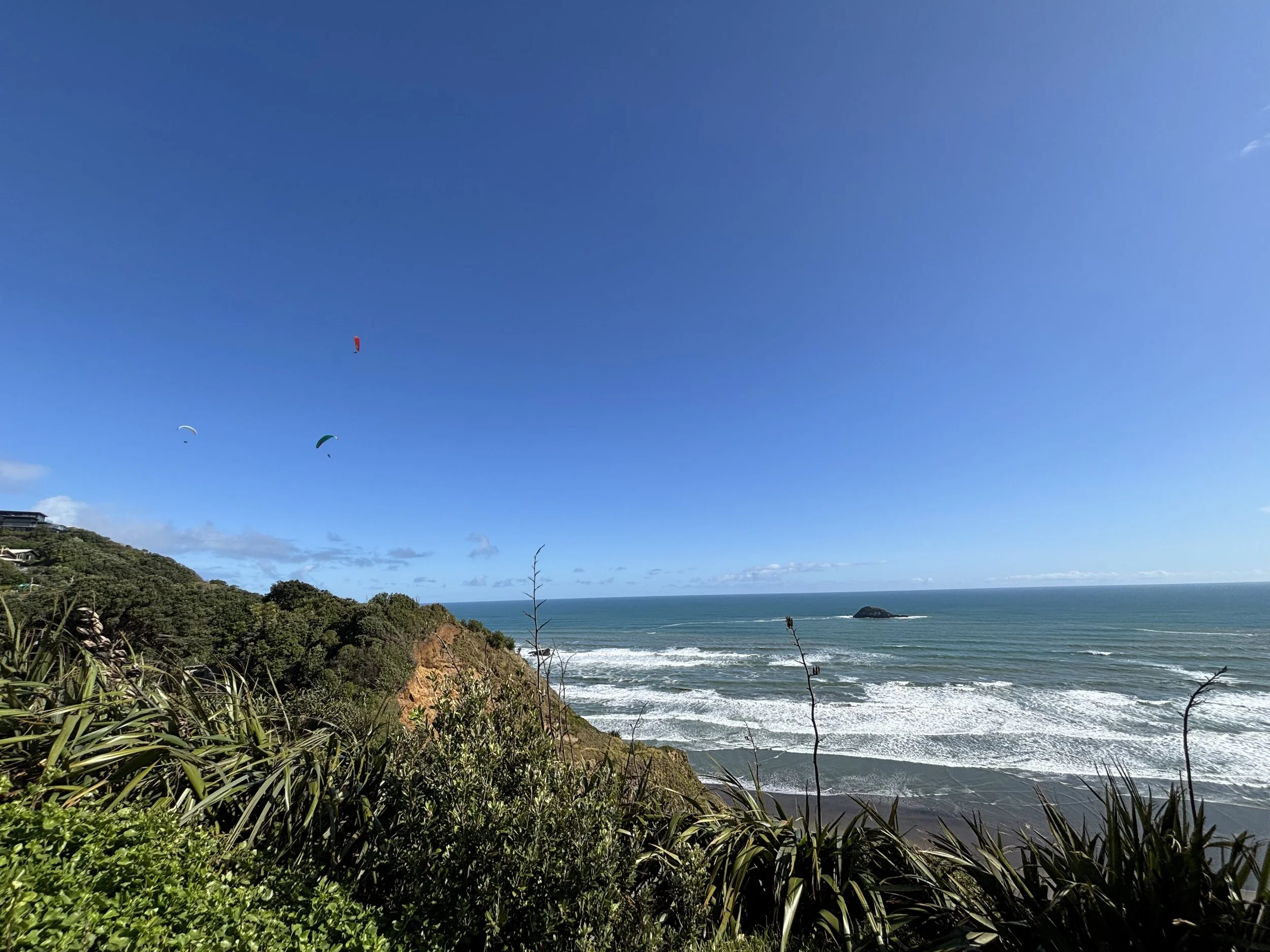
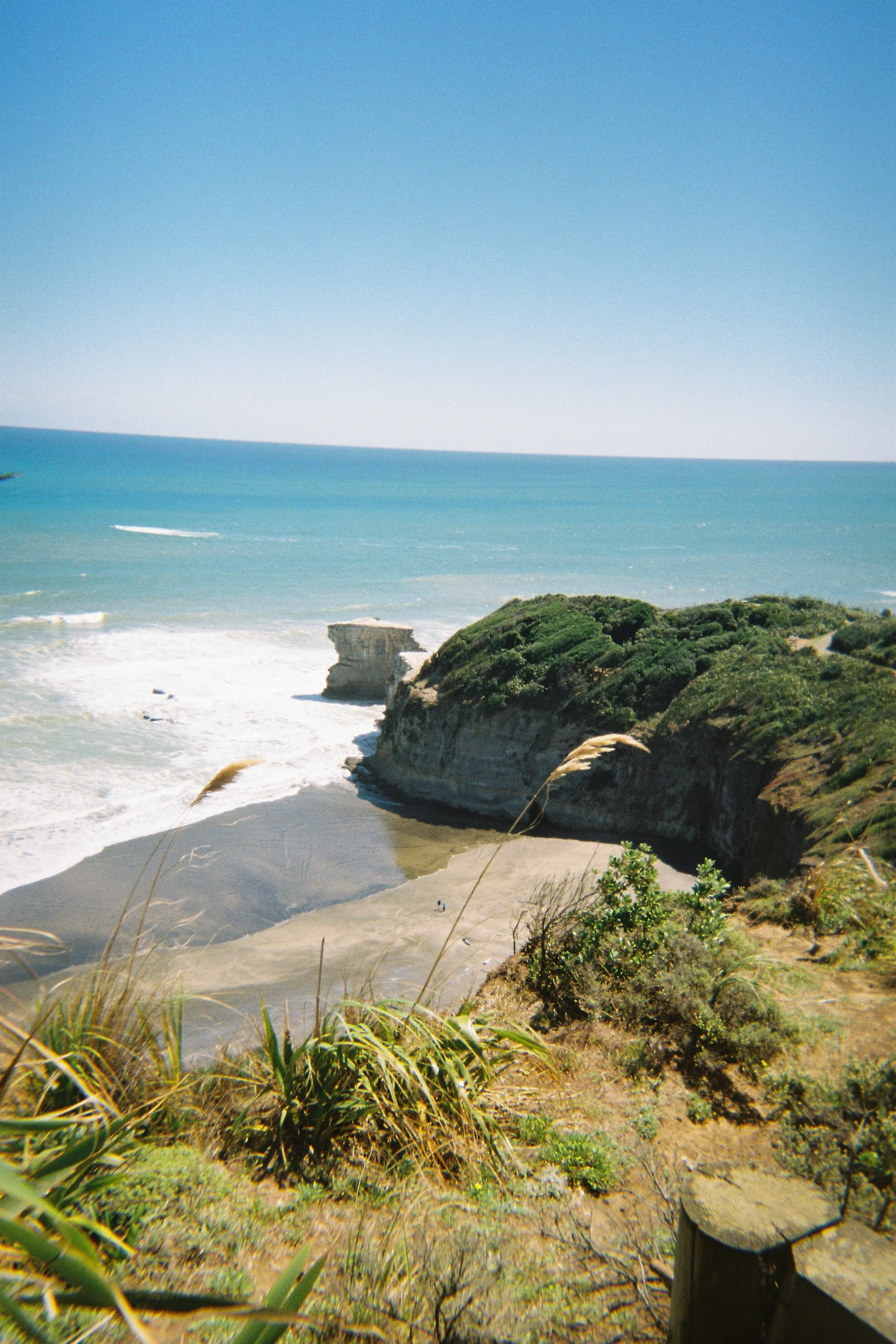
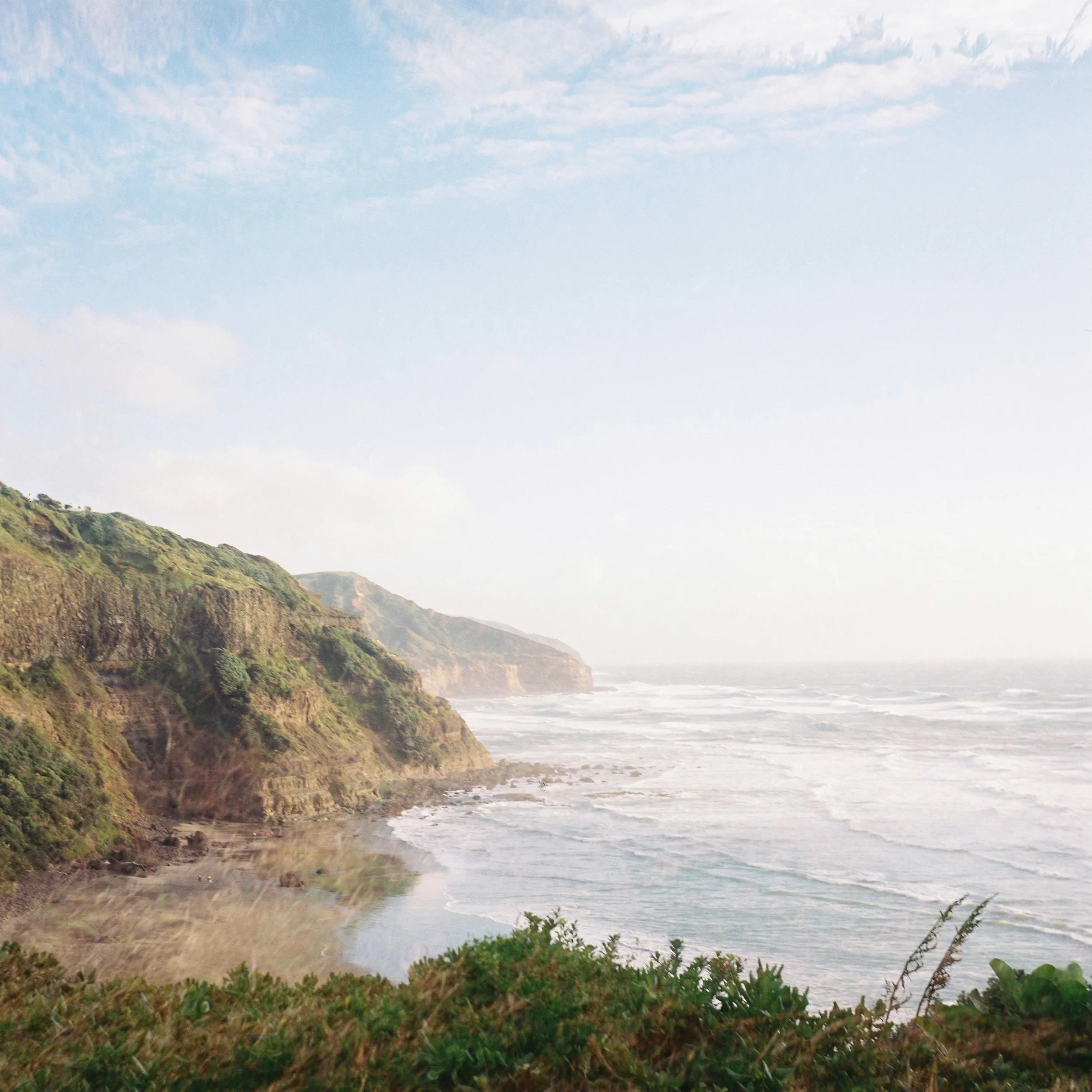
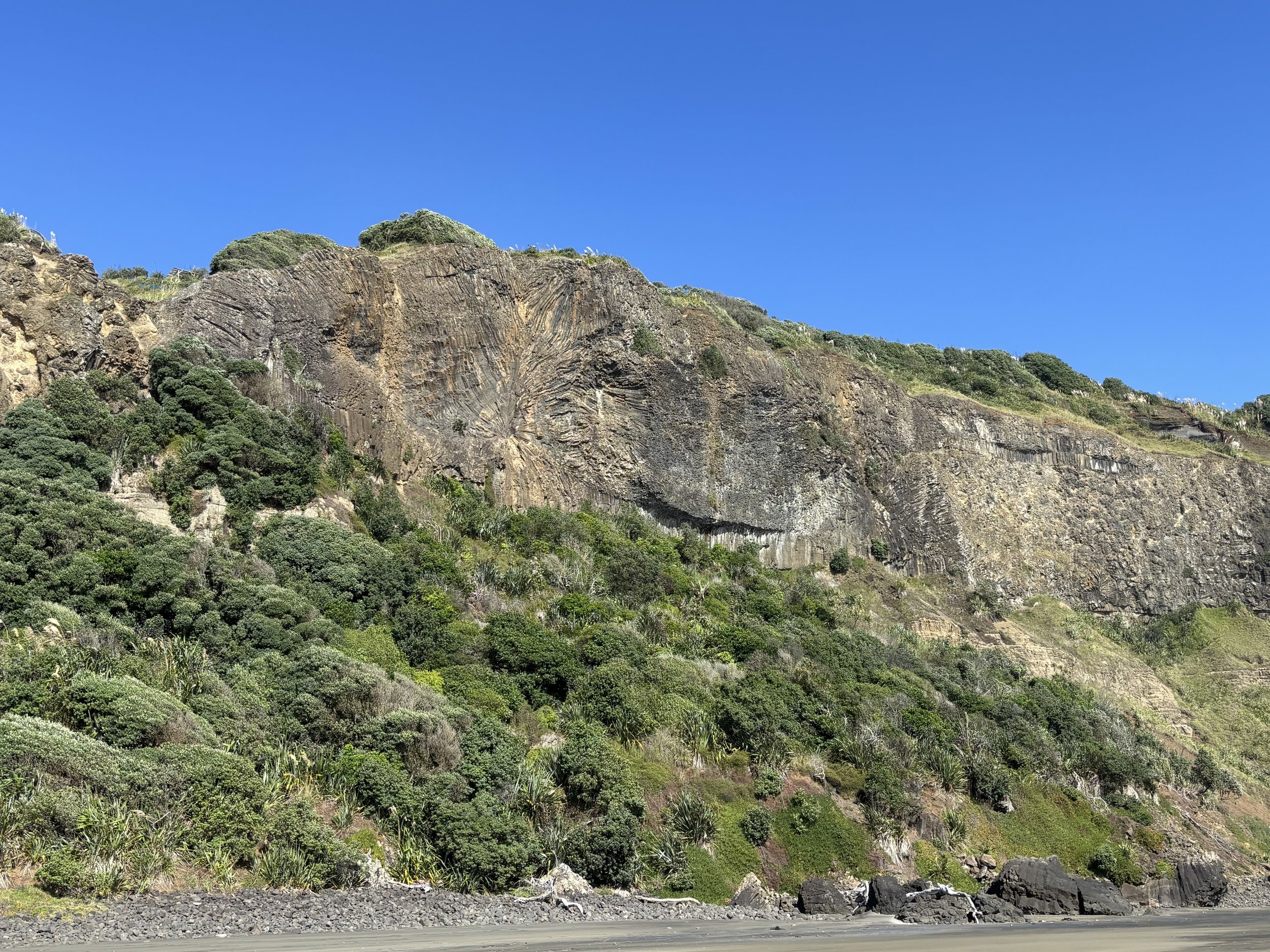
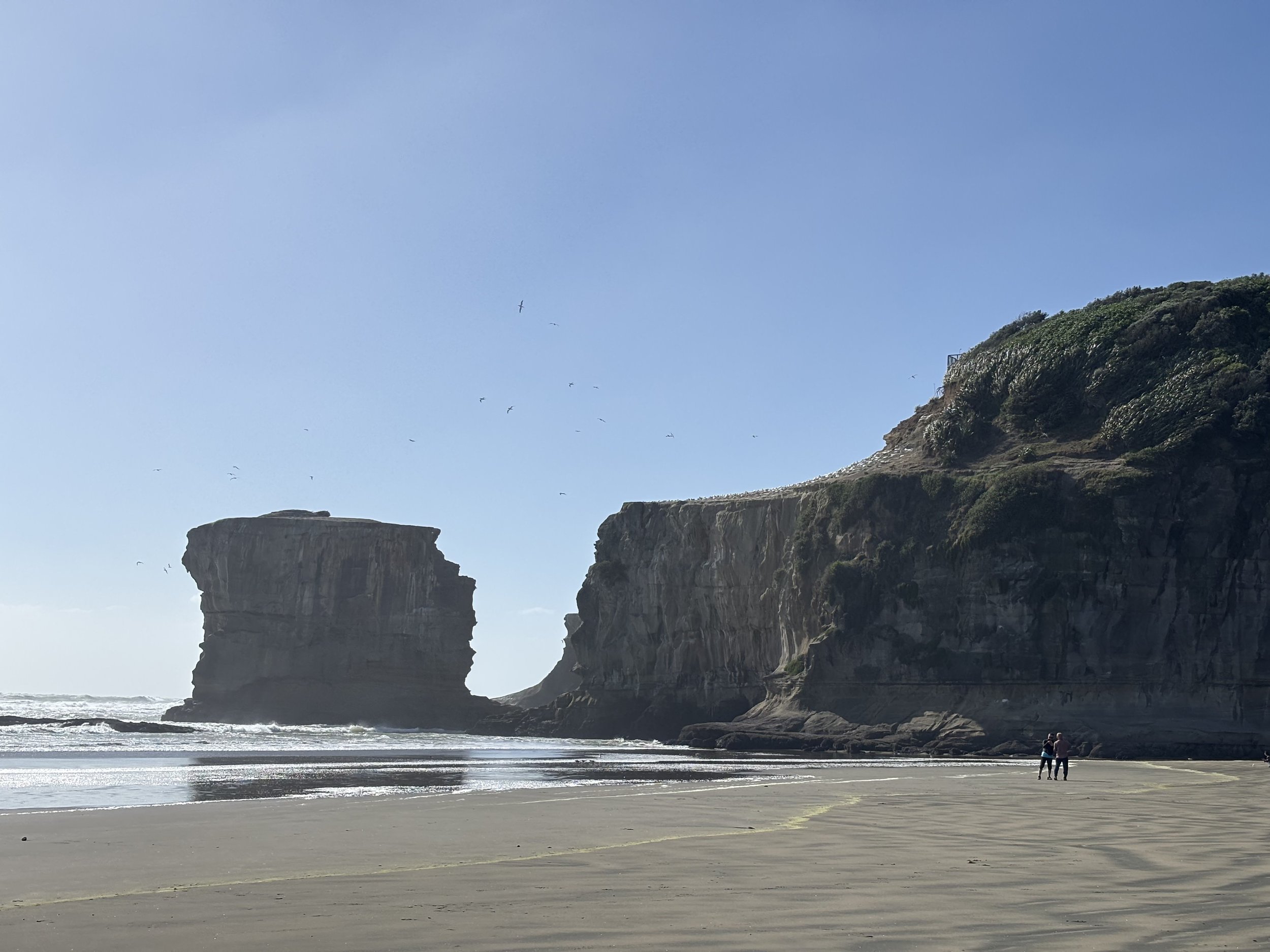
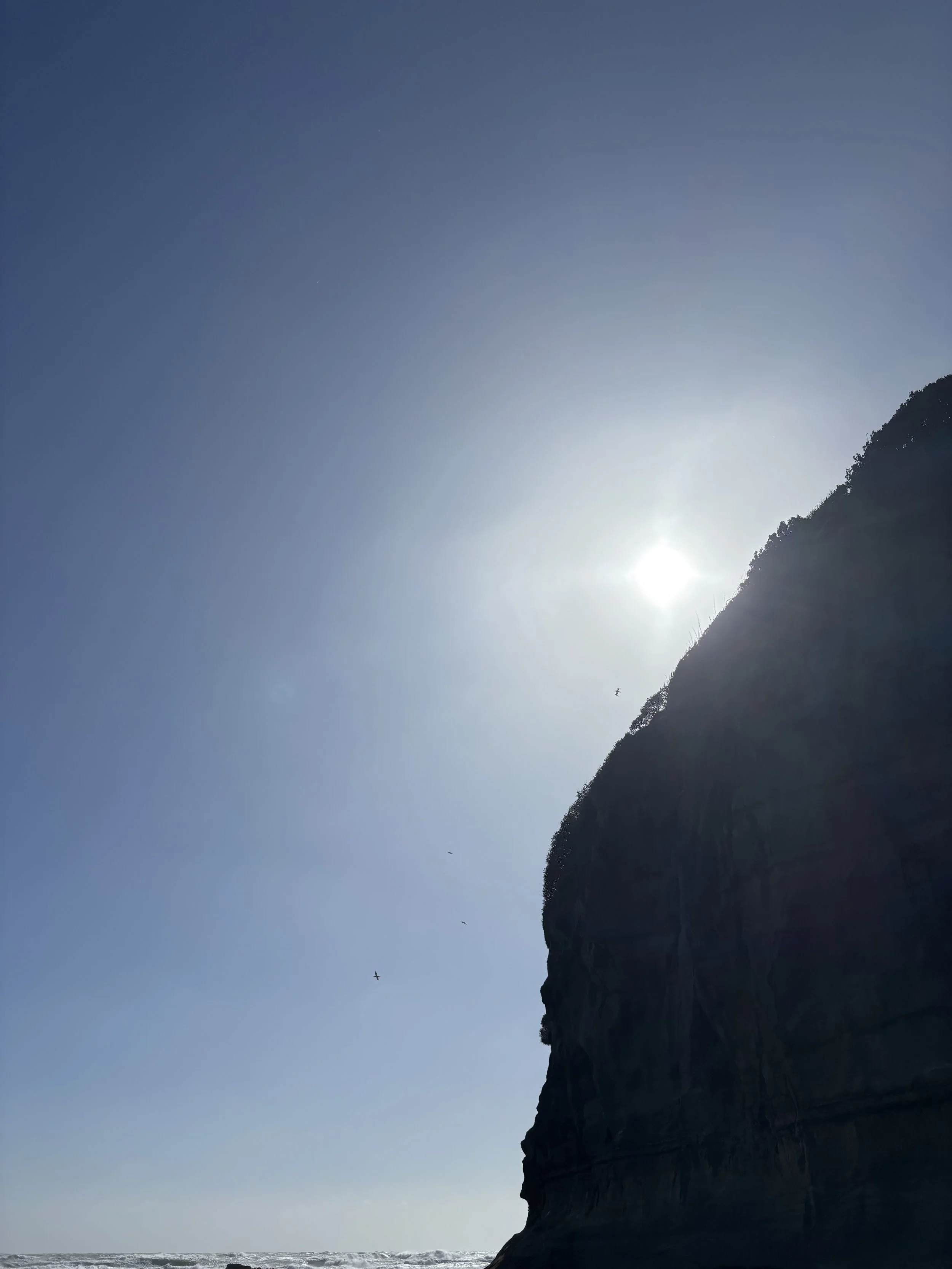
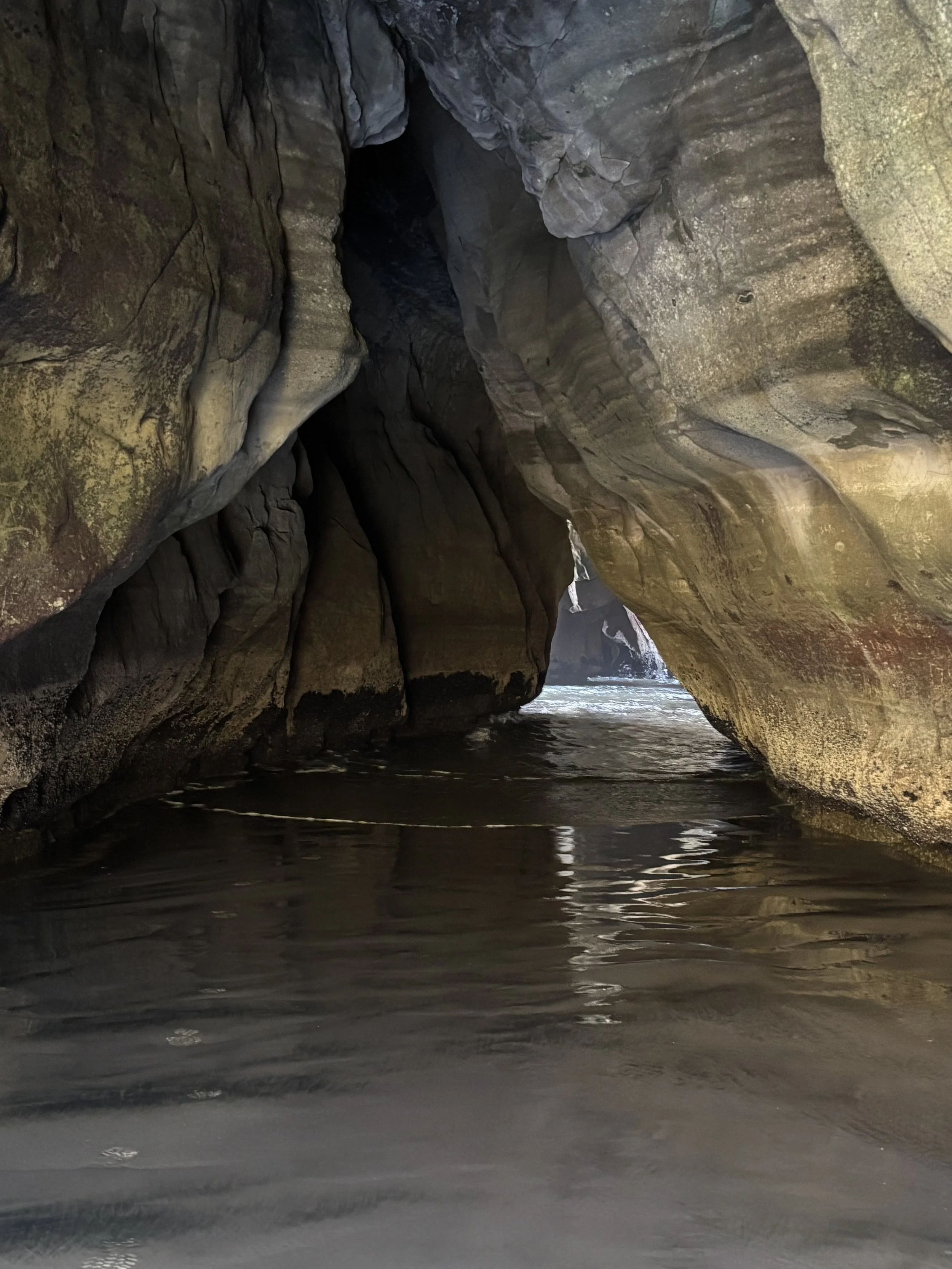
Maori Bay is only wee, tucked in behind the gannet colony. It boasts rare views of pillow lava formations exposed on the cliff face, it has a cave you could walk right through (ocean permitting) and is well known to surfers who I often see bobbing in the waves or hauling boards up the path back up to the carpark.
Te Henga
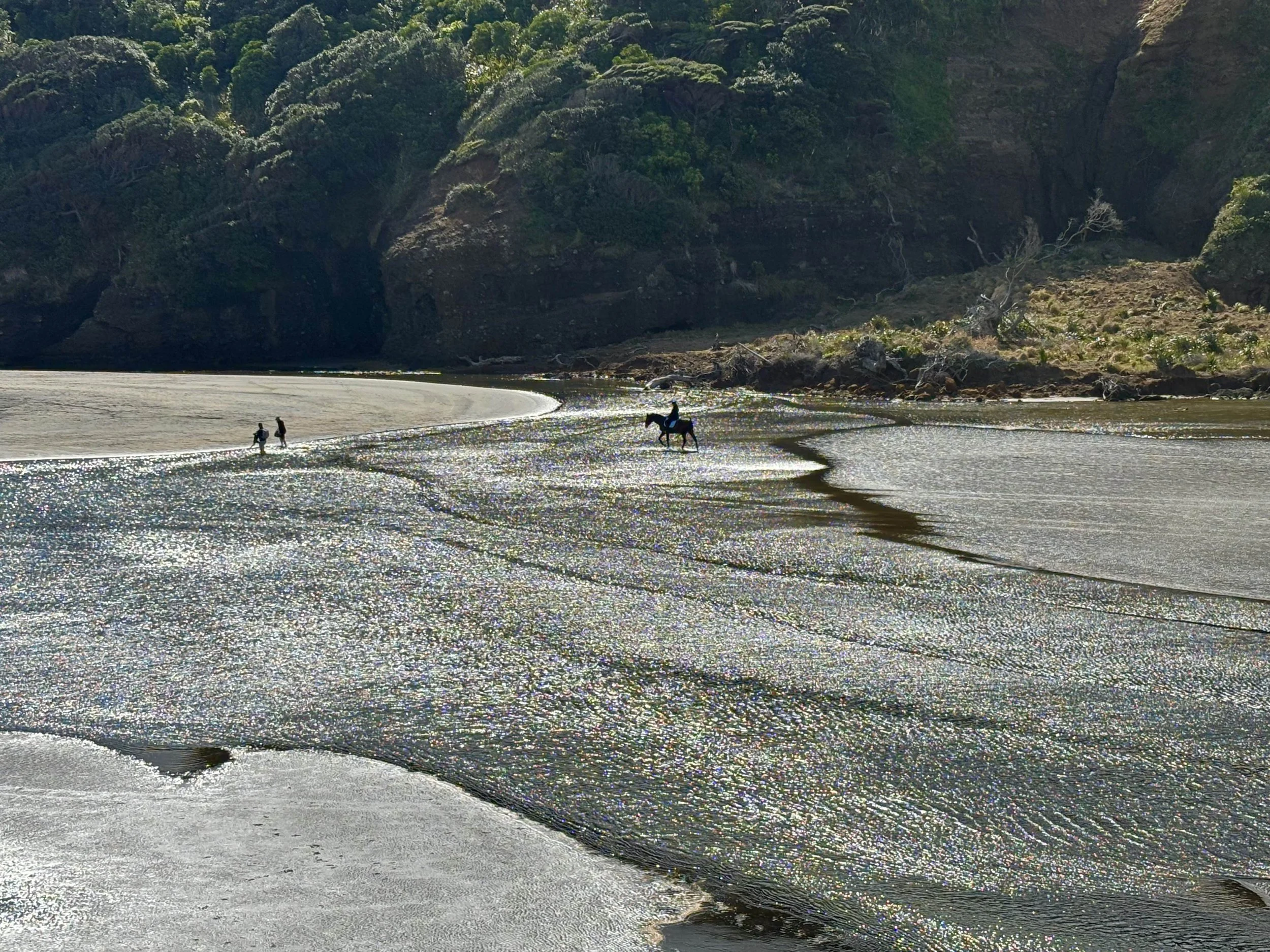
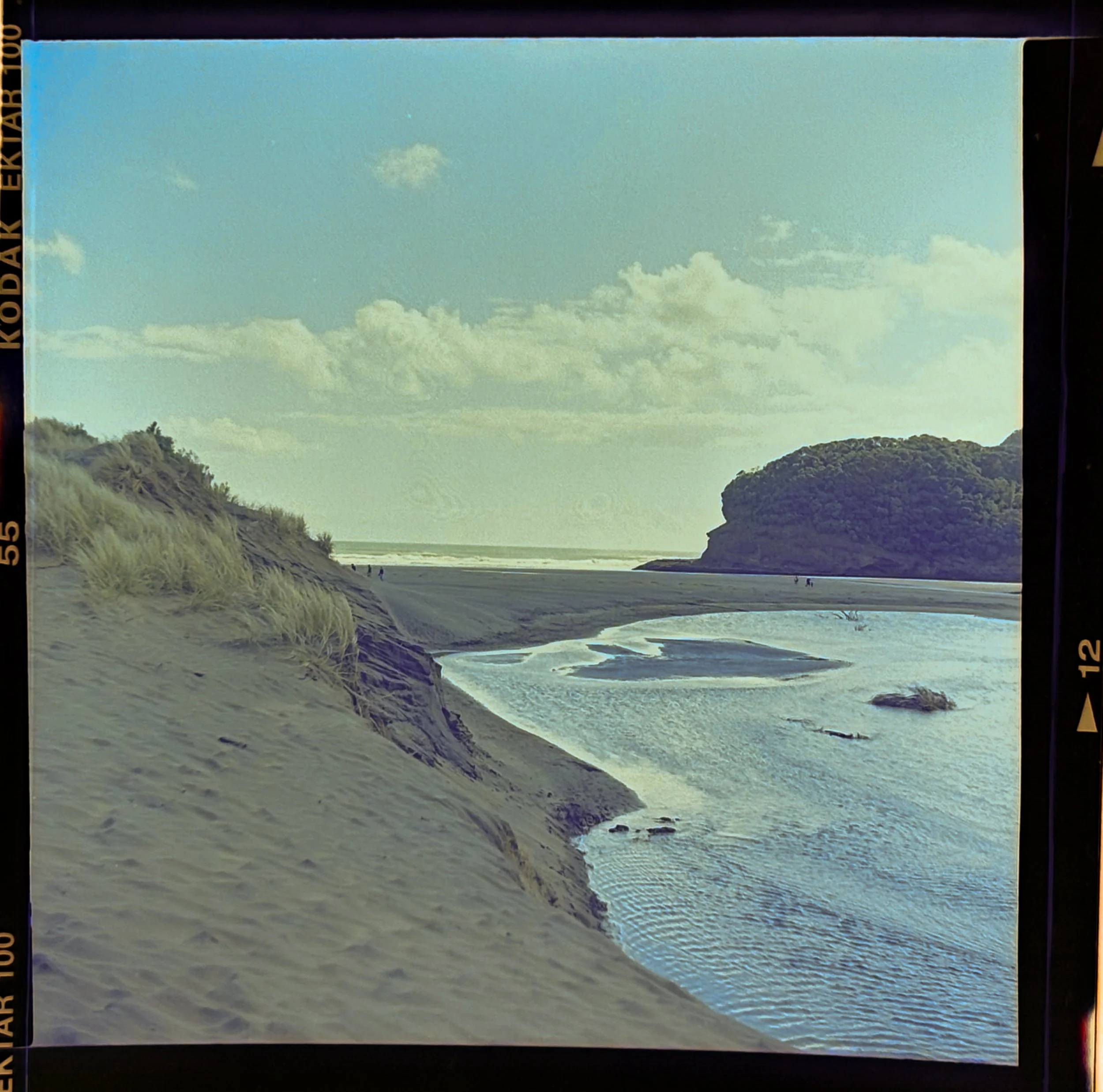
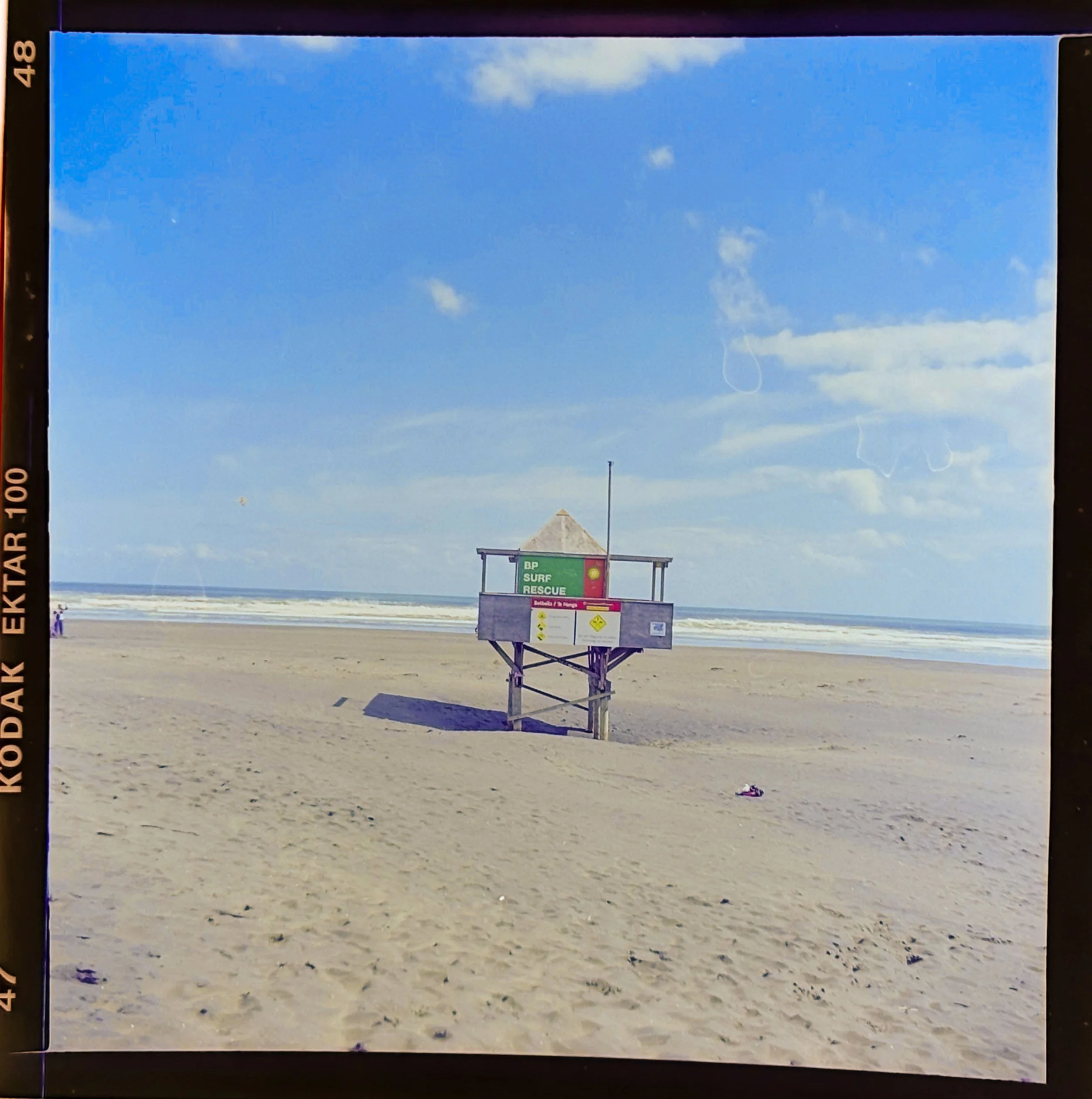
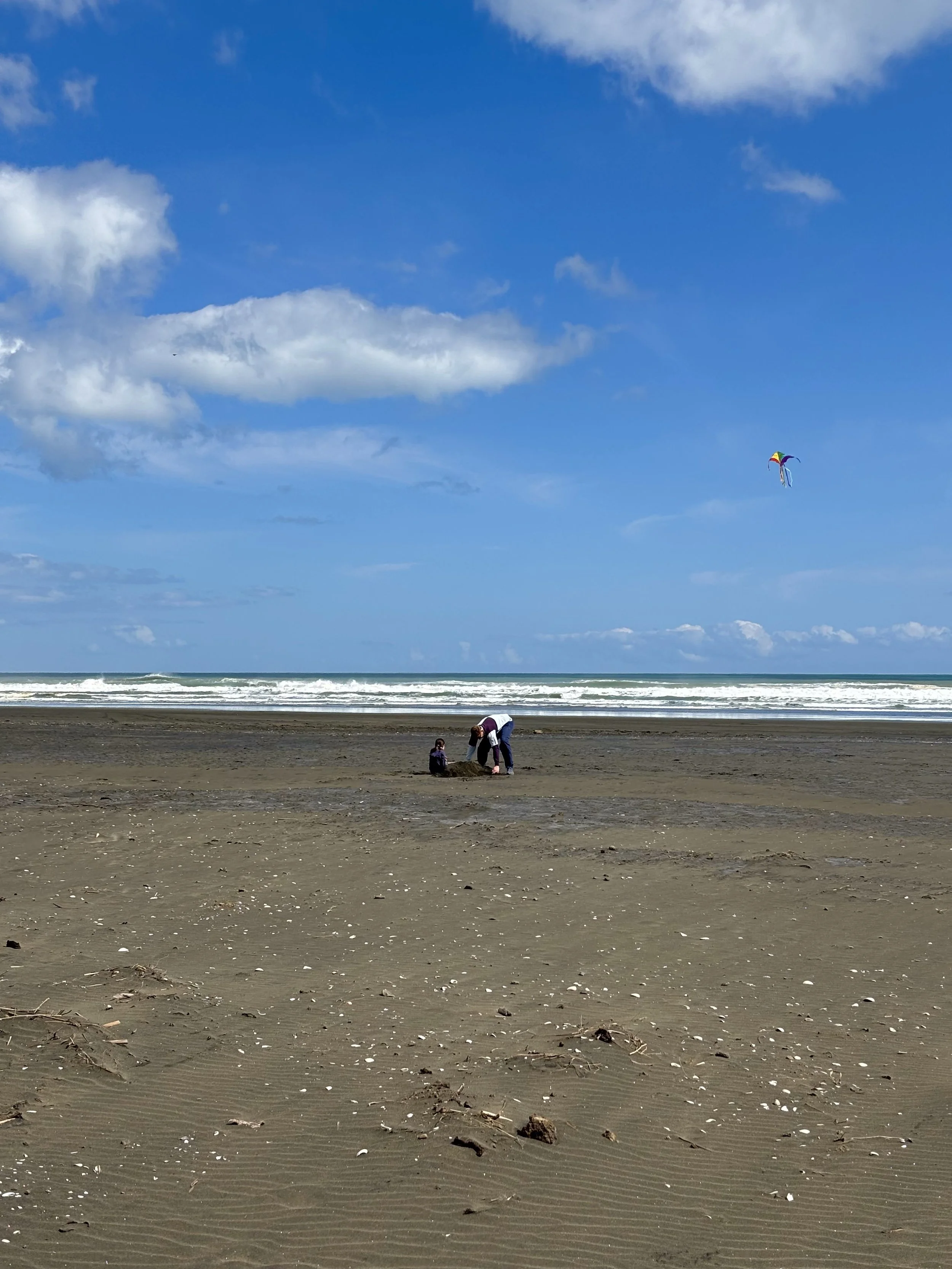
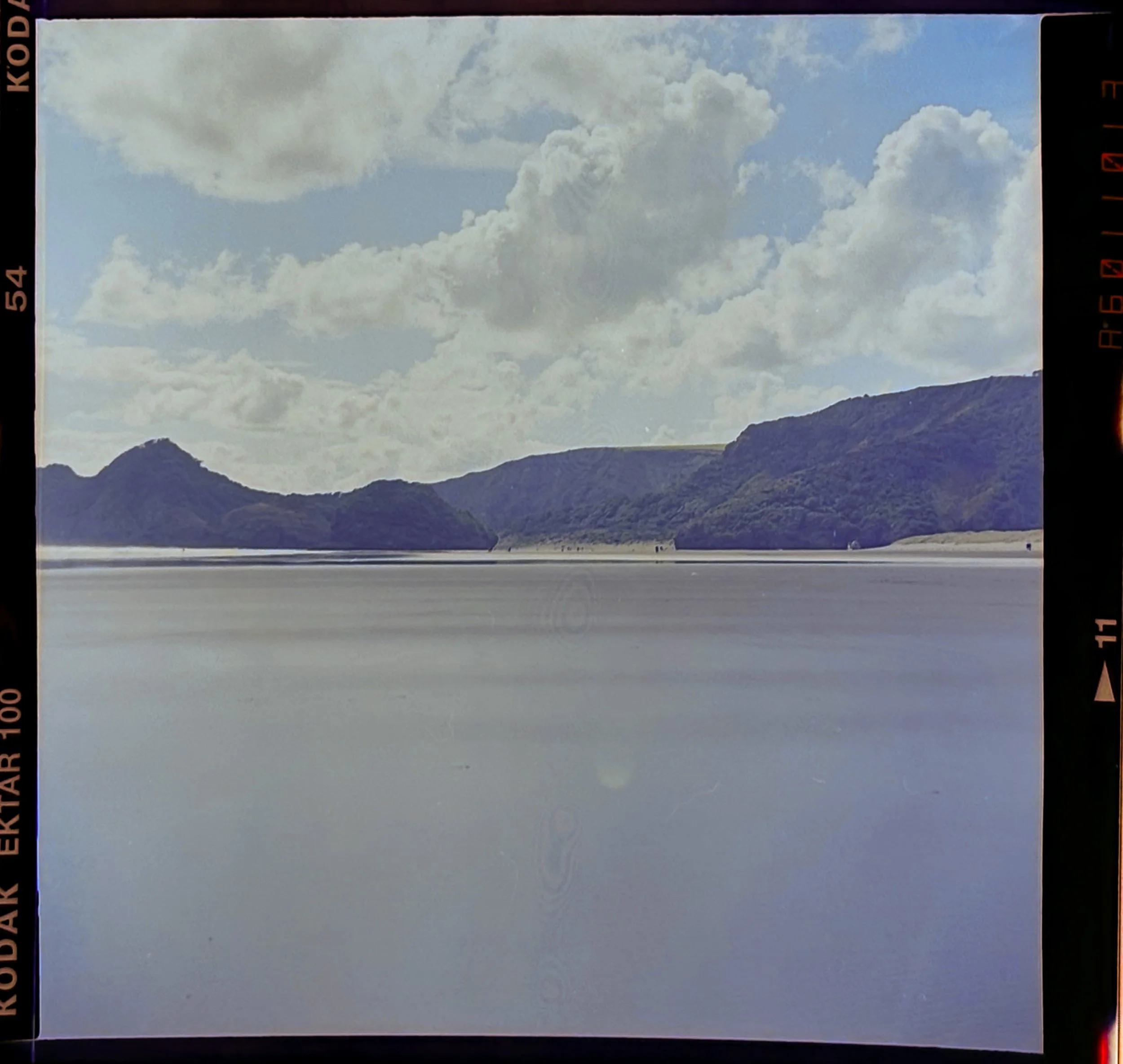
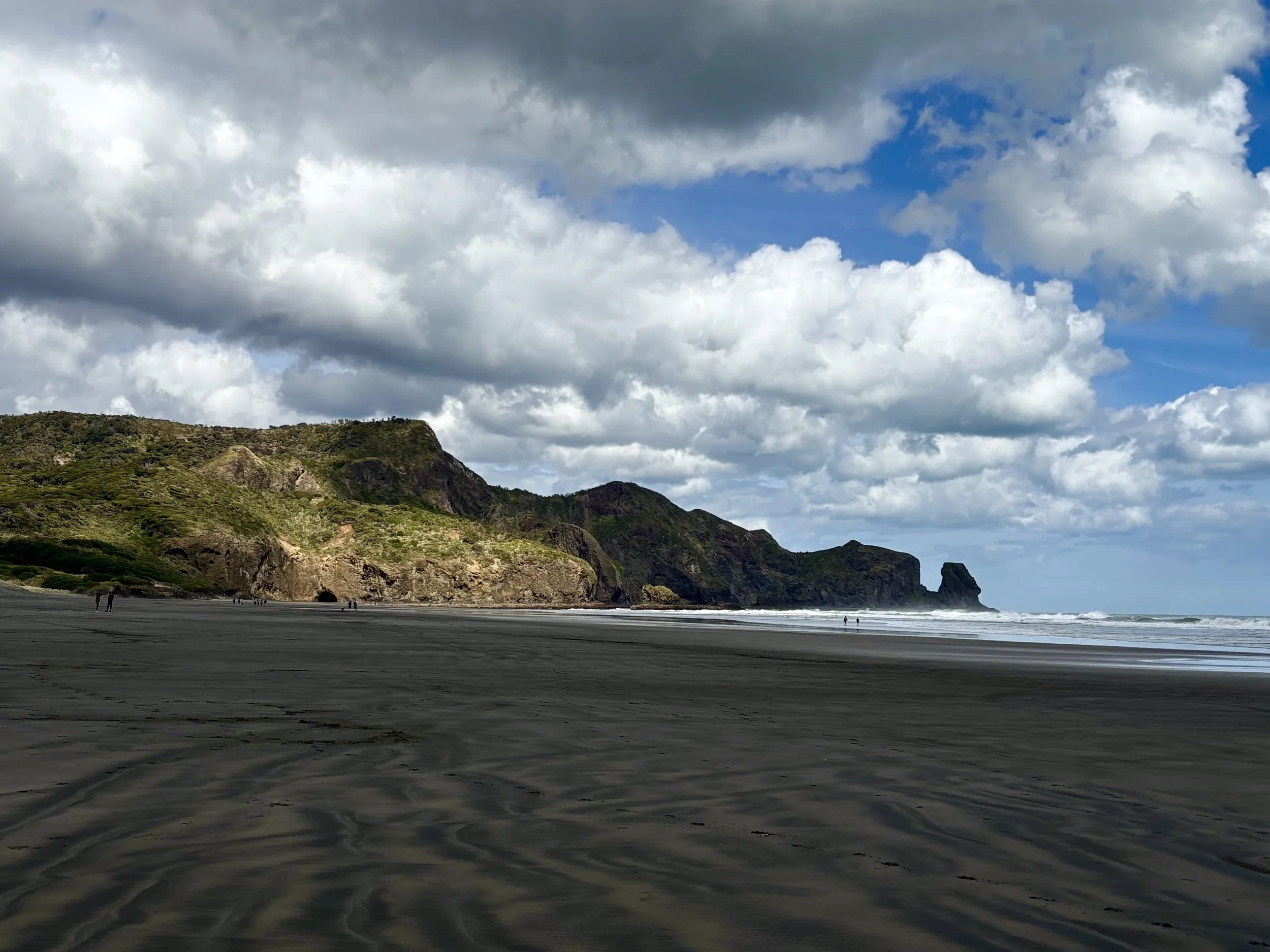
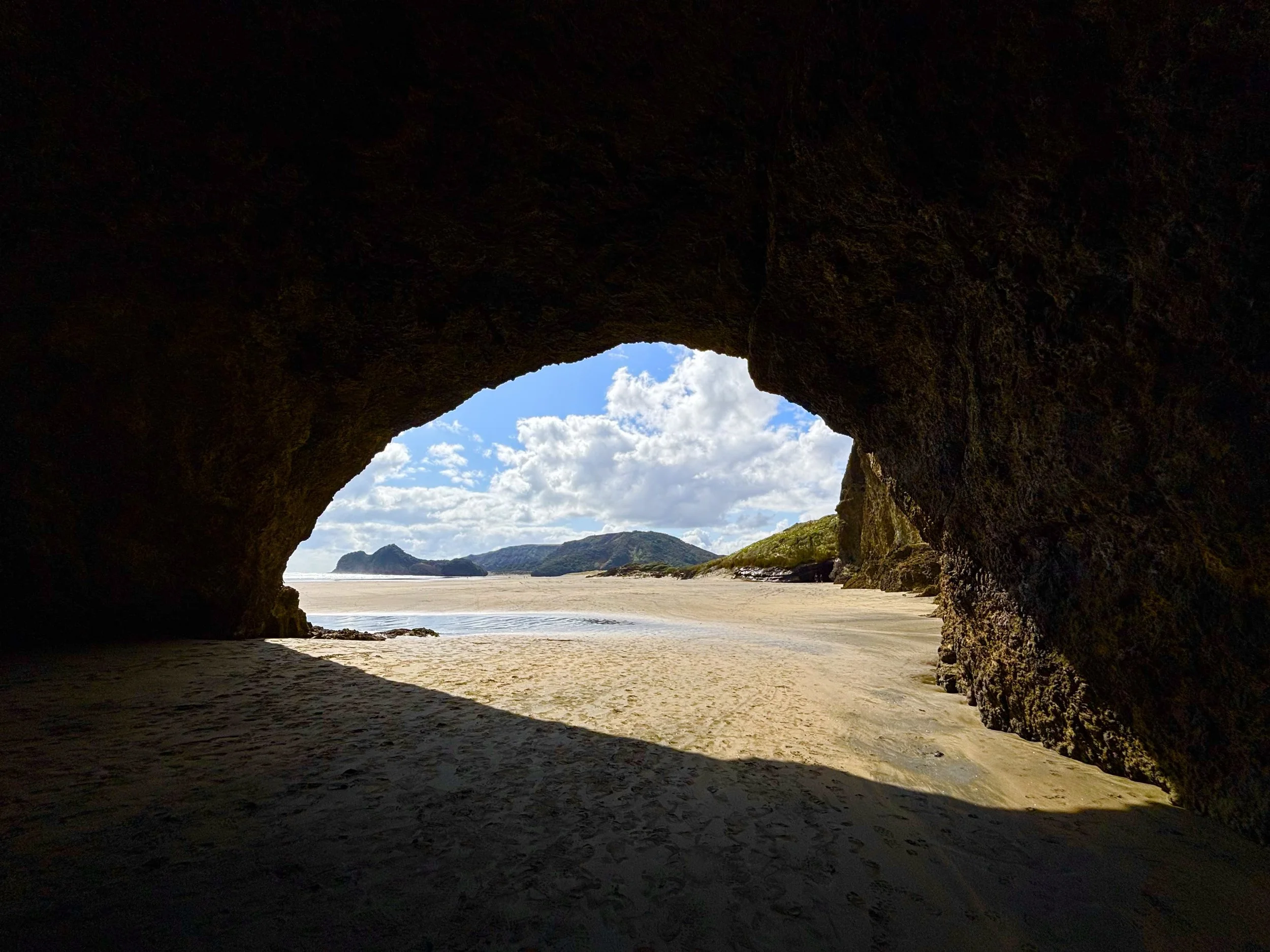
Te Henga - better recognise coz we are the best - obviously I went in with high expectations. We are Te Henga, that’s the way it should be. Shamefully I had never visited the beach. I had been once to the dunes and spent a friend’s birthday scrabbling up the sand to slide back down into the lake.
It’s fair to say that Te Henga is a gorgeous beach with a the Waitakere River flowing alongside yet more dunes to the beach, a teeny lifeguard hut right out in the sand, there’s a cave, and there are two sides to the beach across the river mouth. And if like me you underestimated how long you would spend there you can catch the sun.
If Te Henga is your local beach you have a gem on your doorstep.
Anawhata
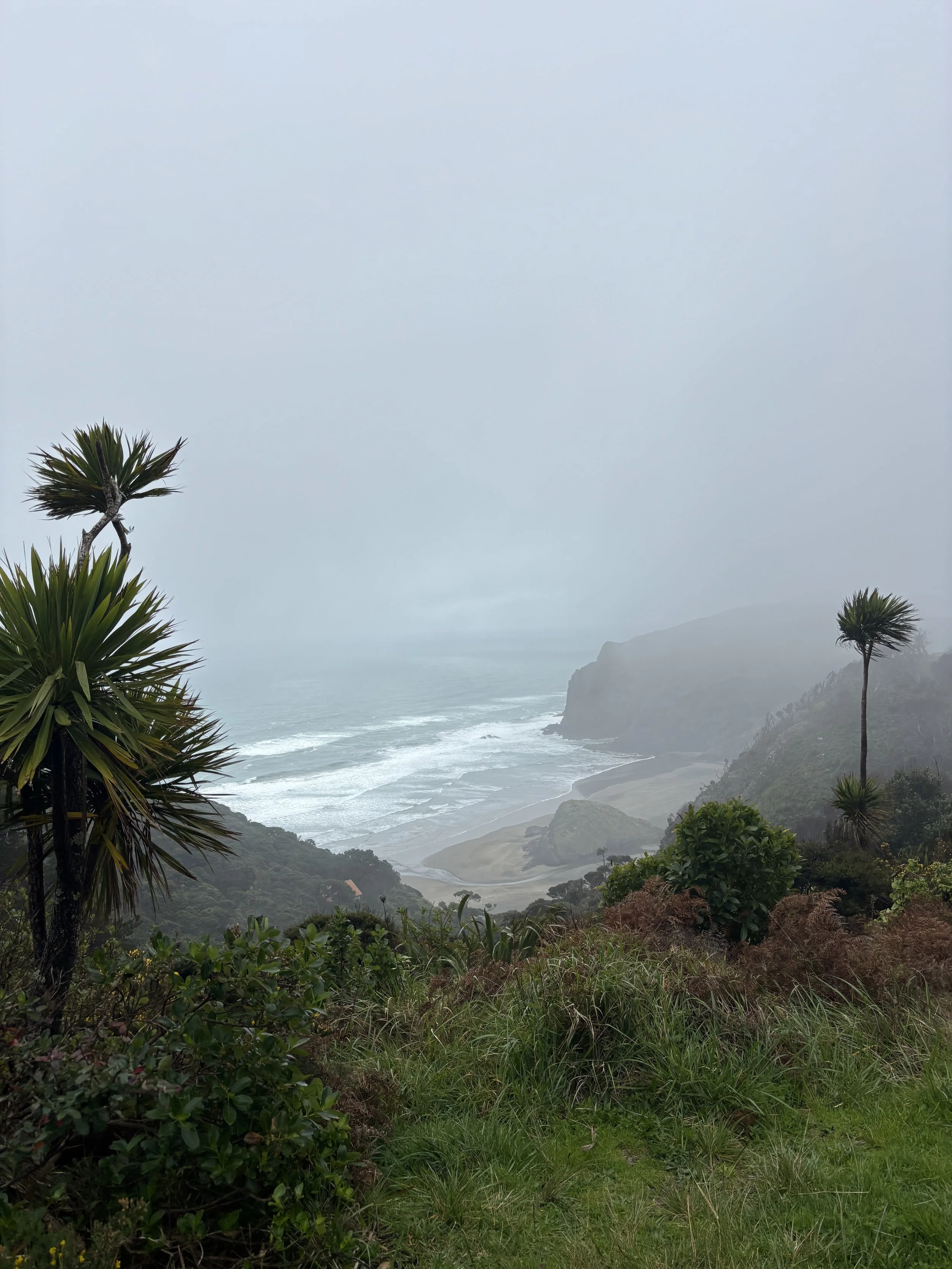
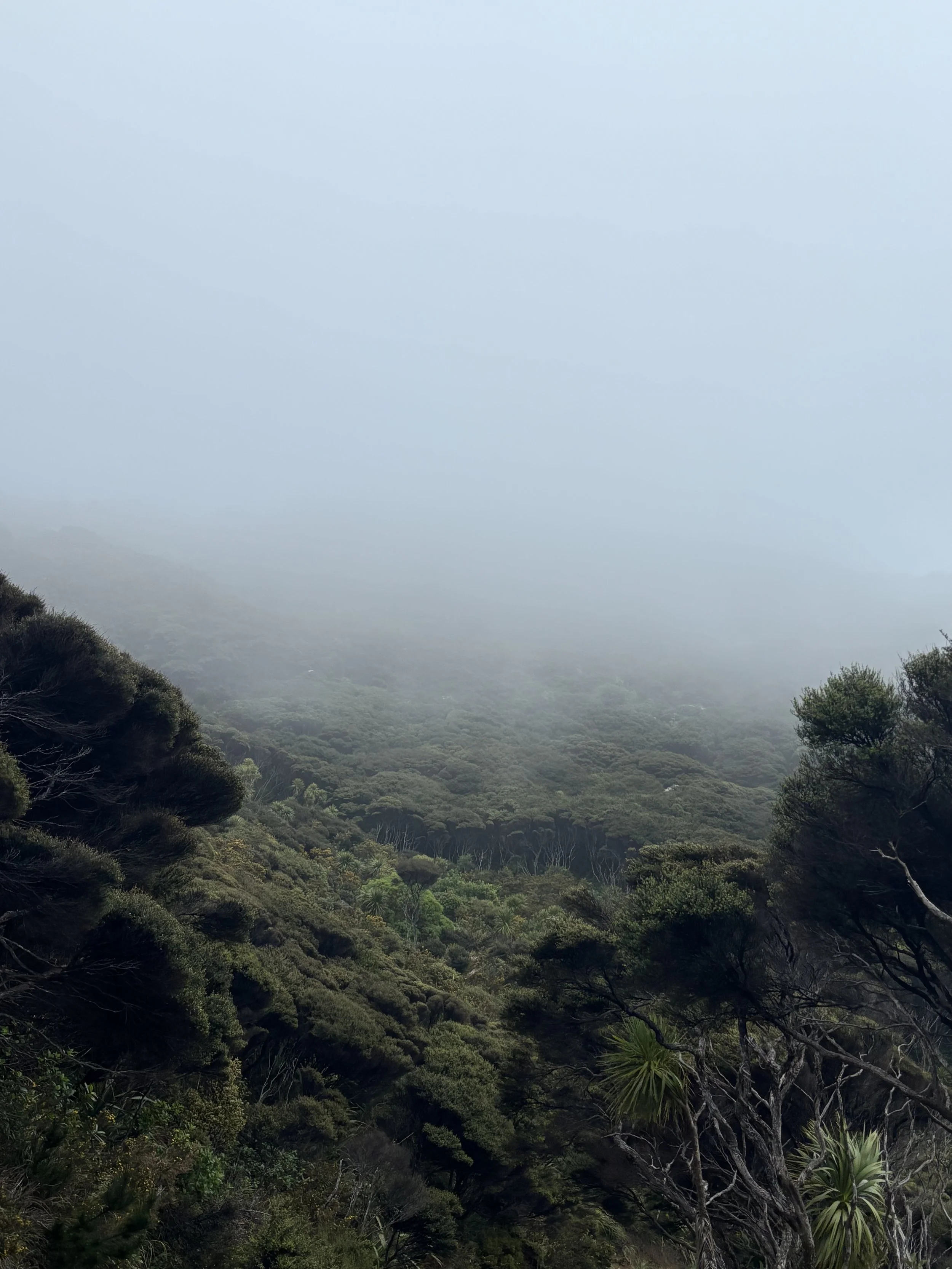
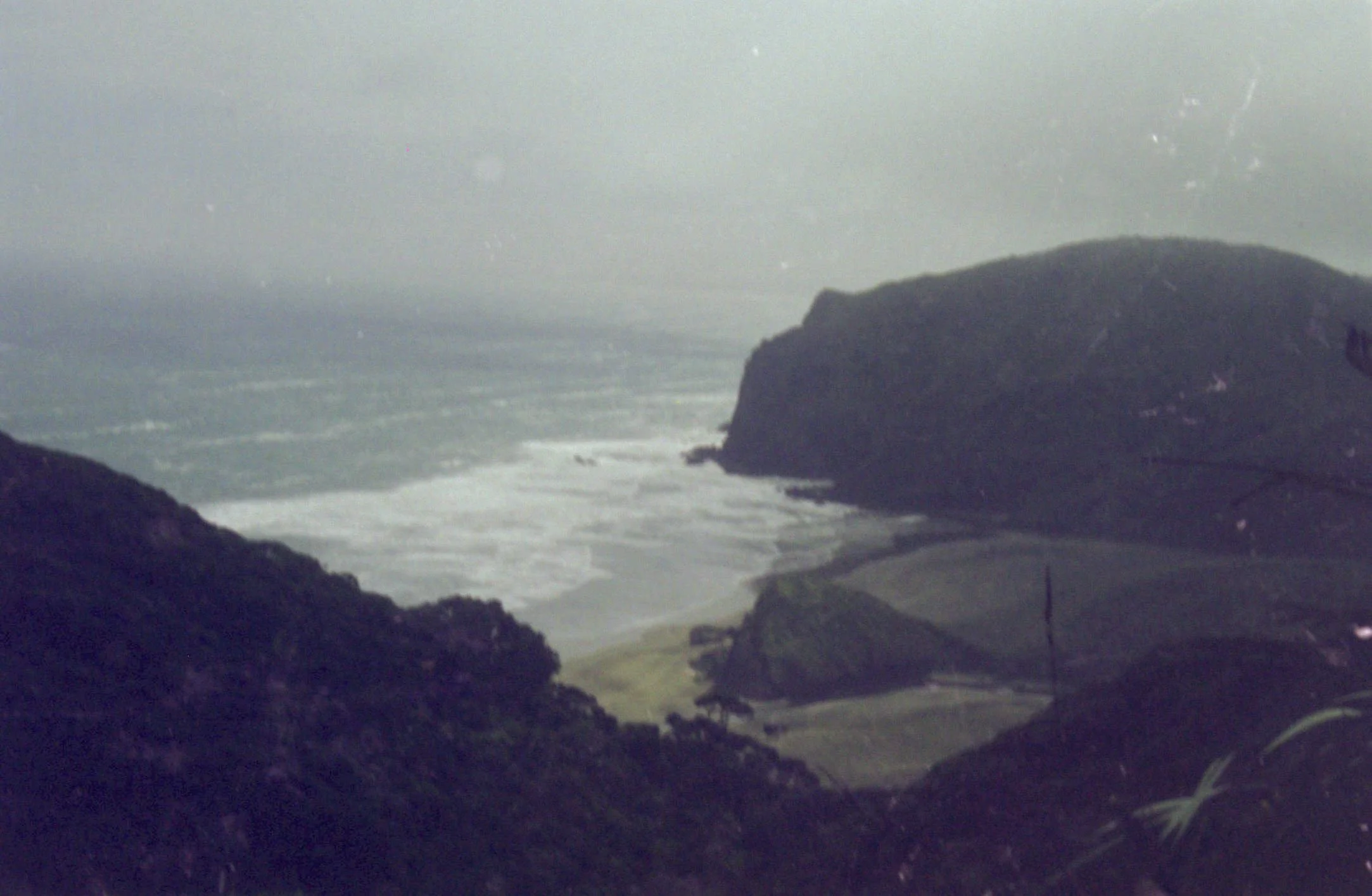
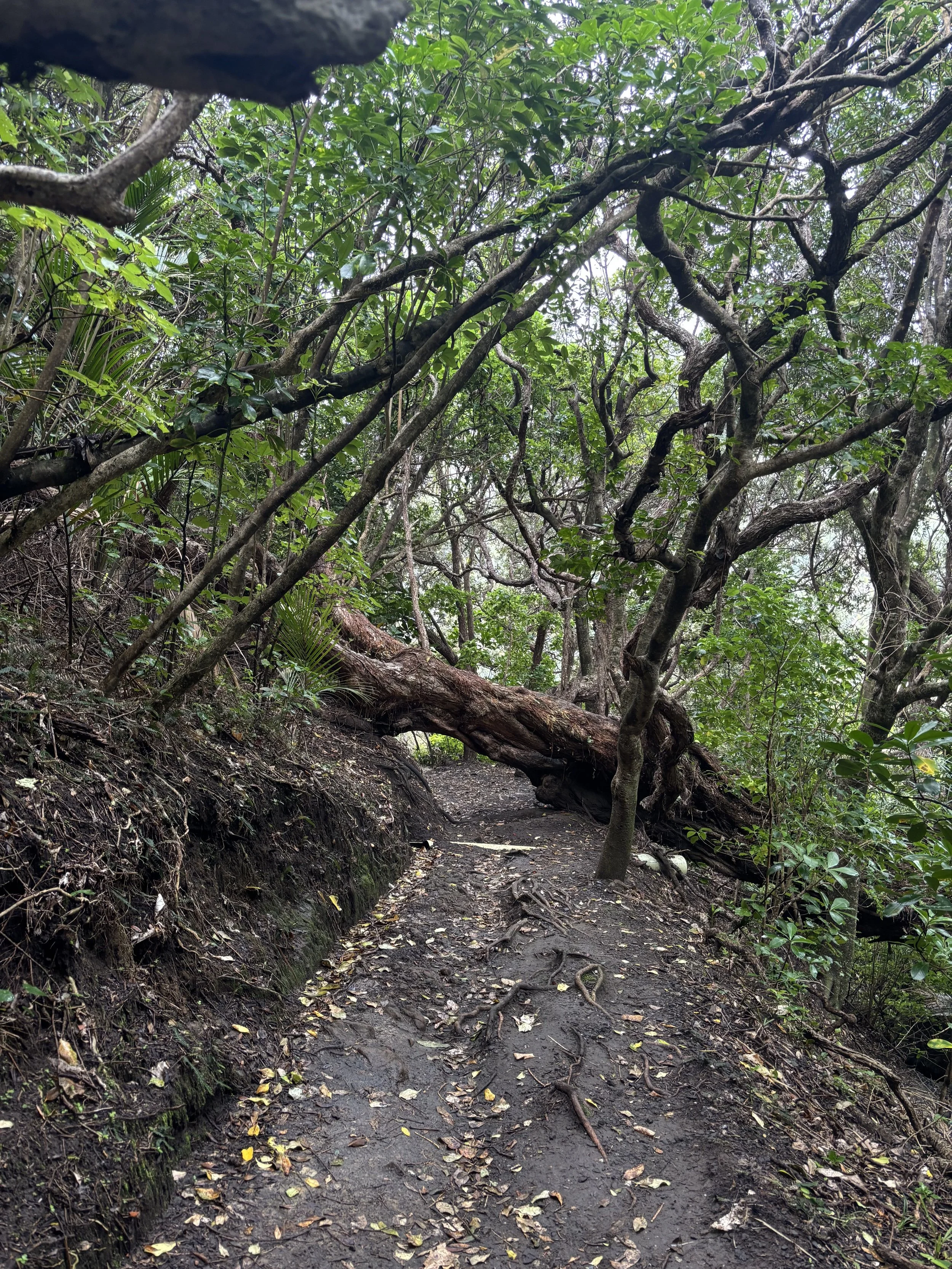
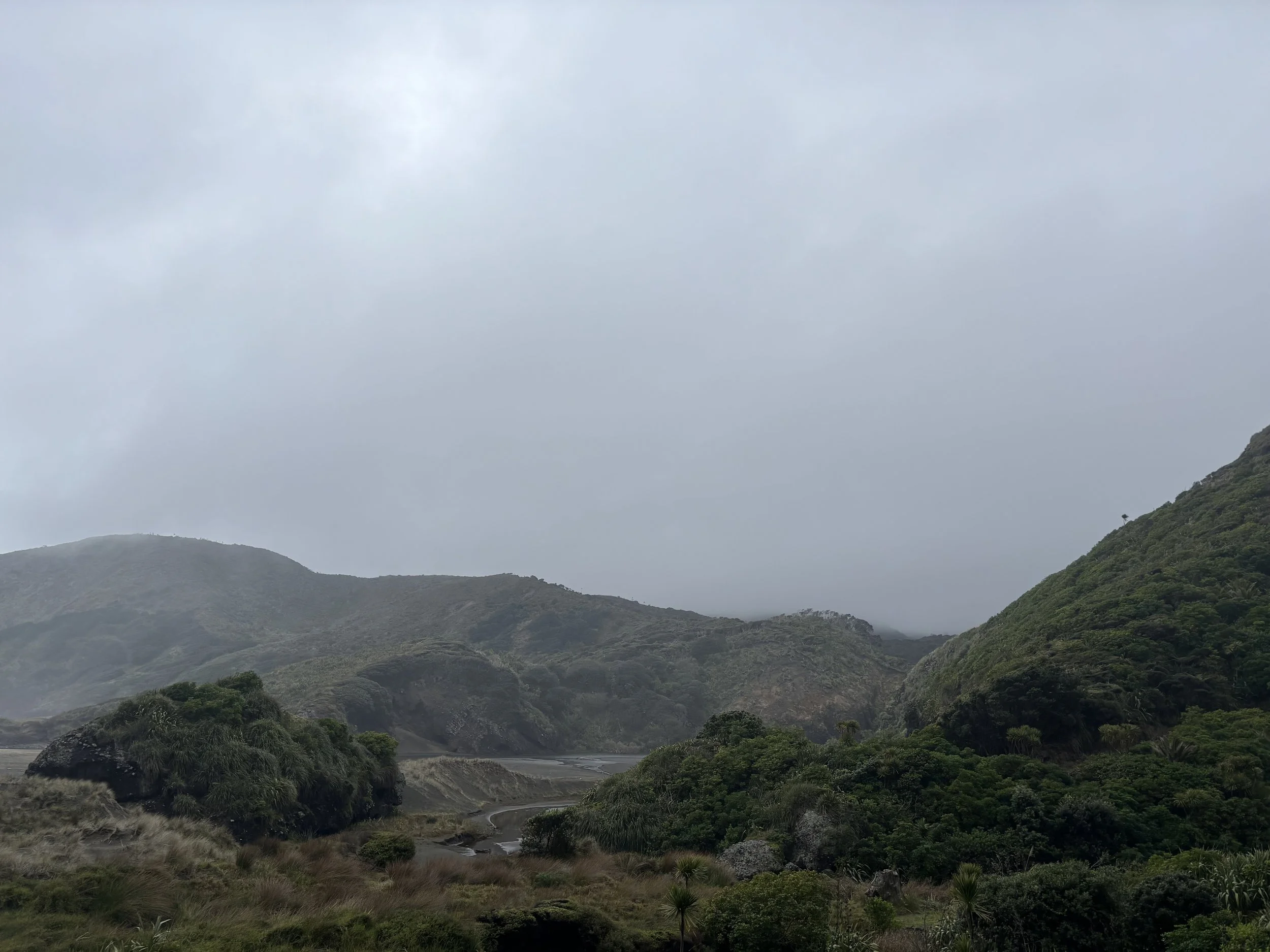
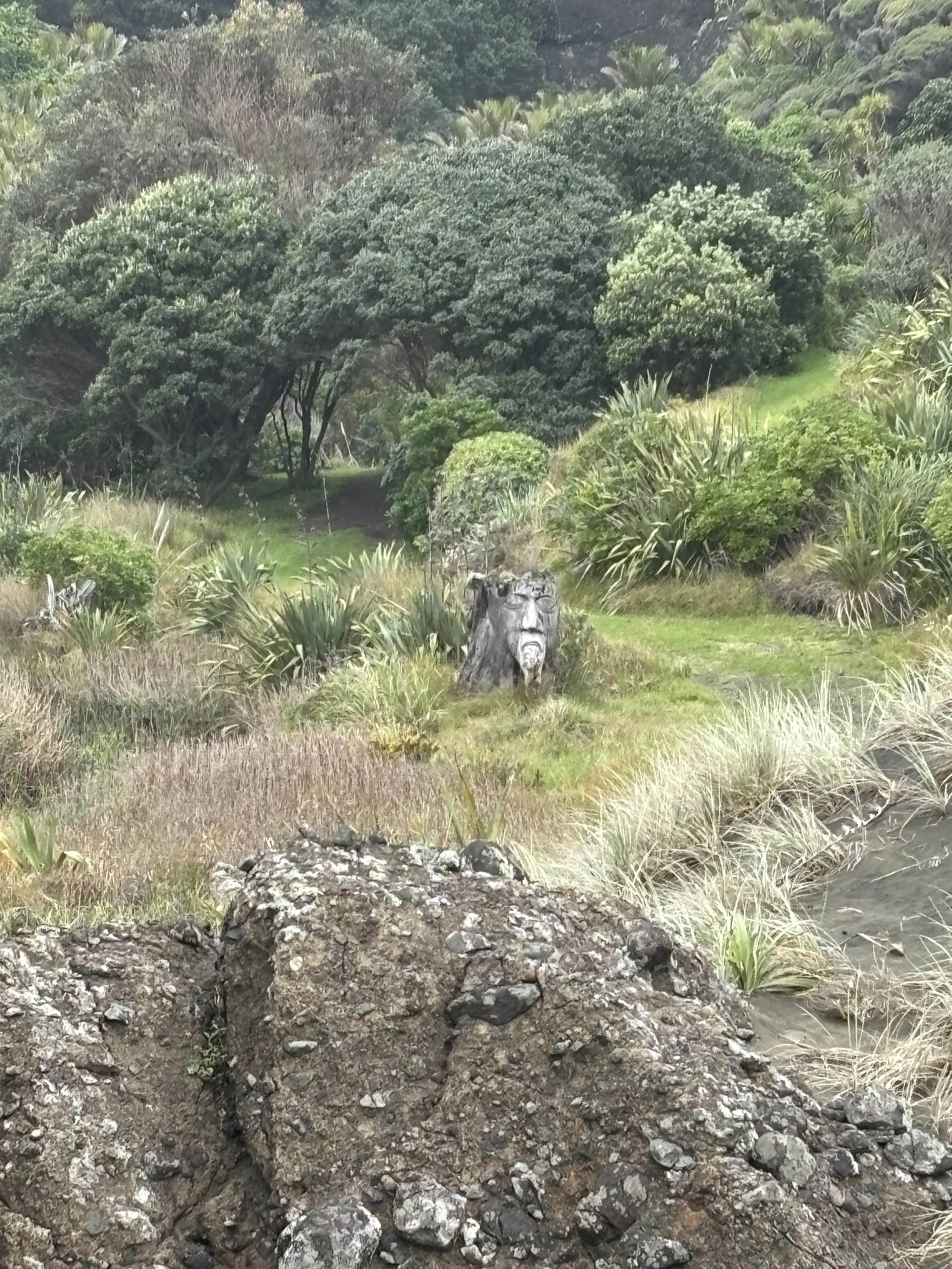
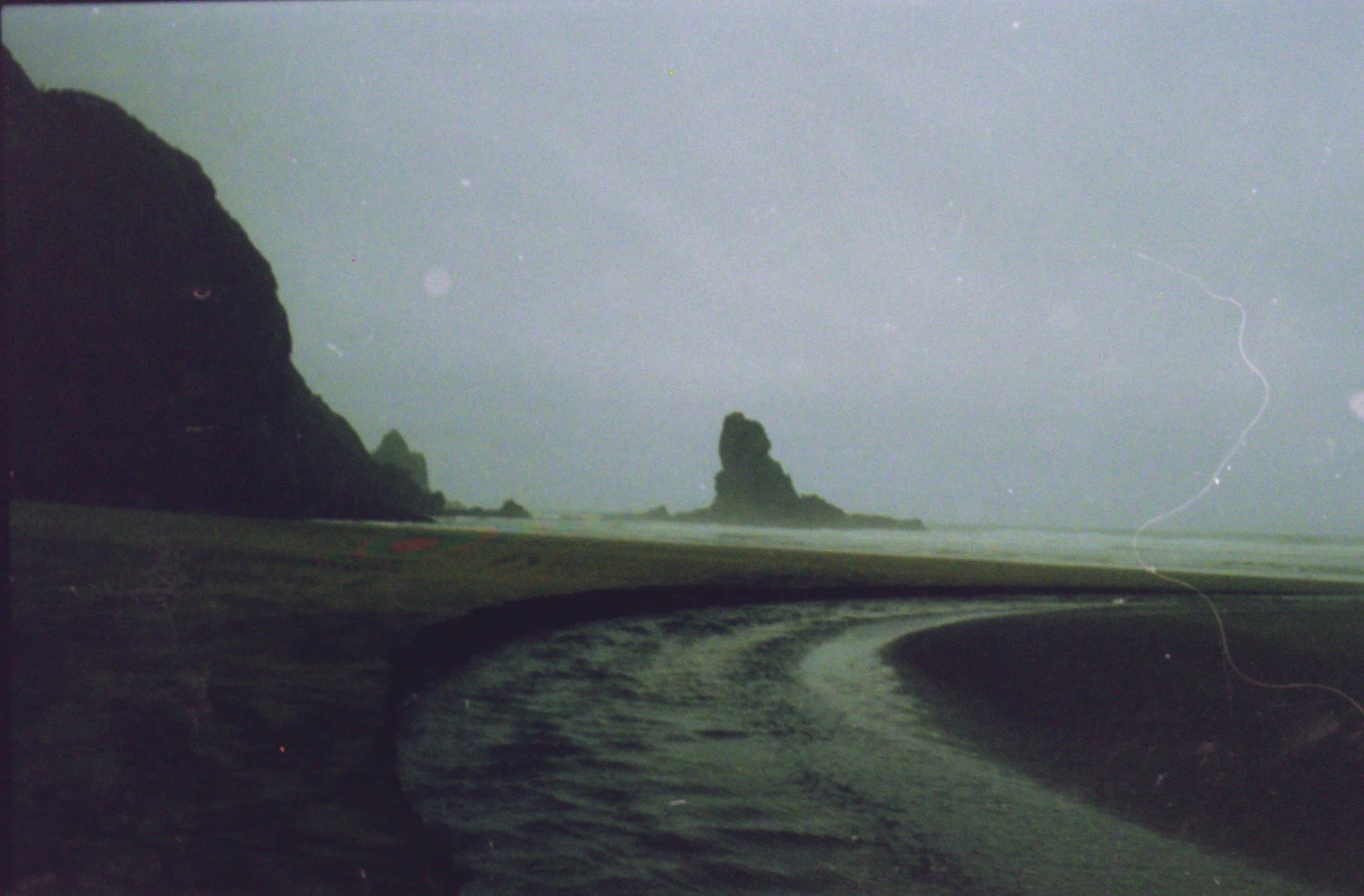
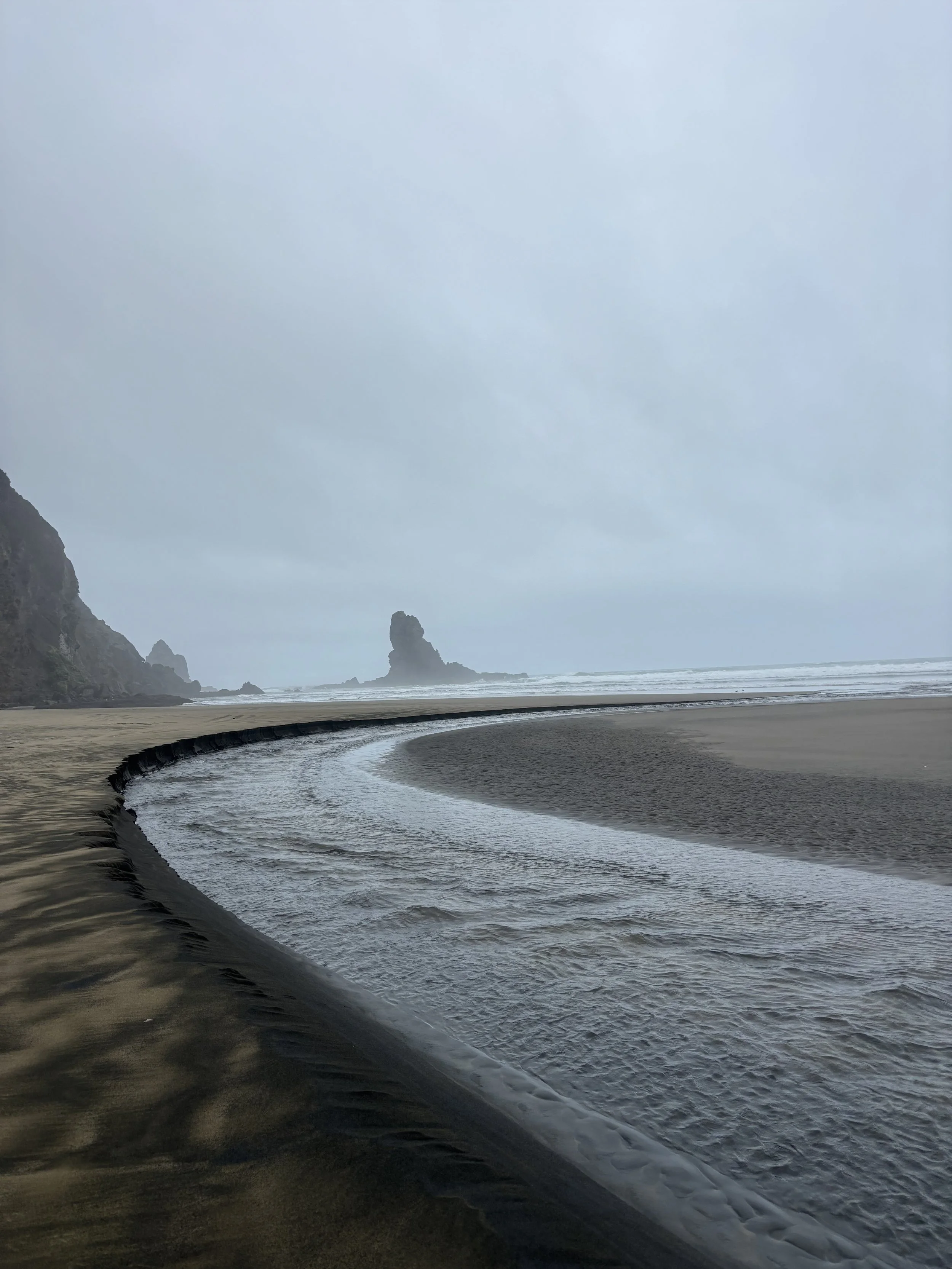
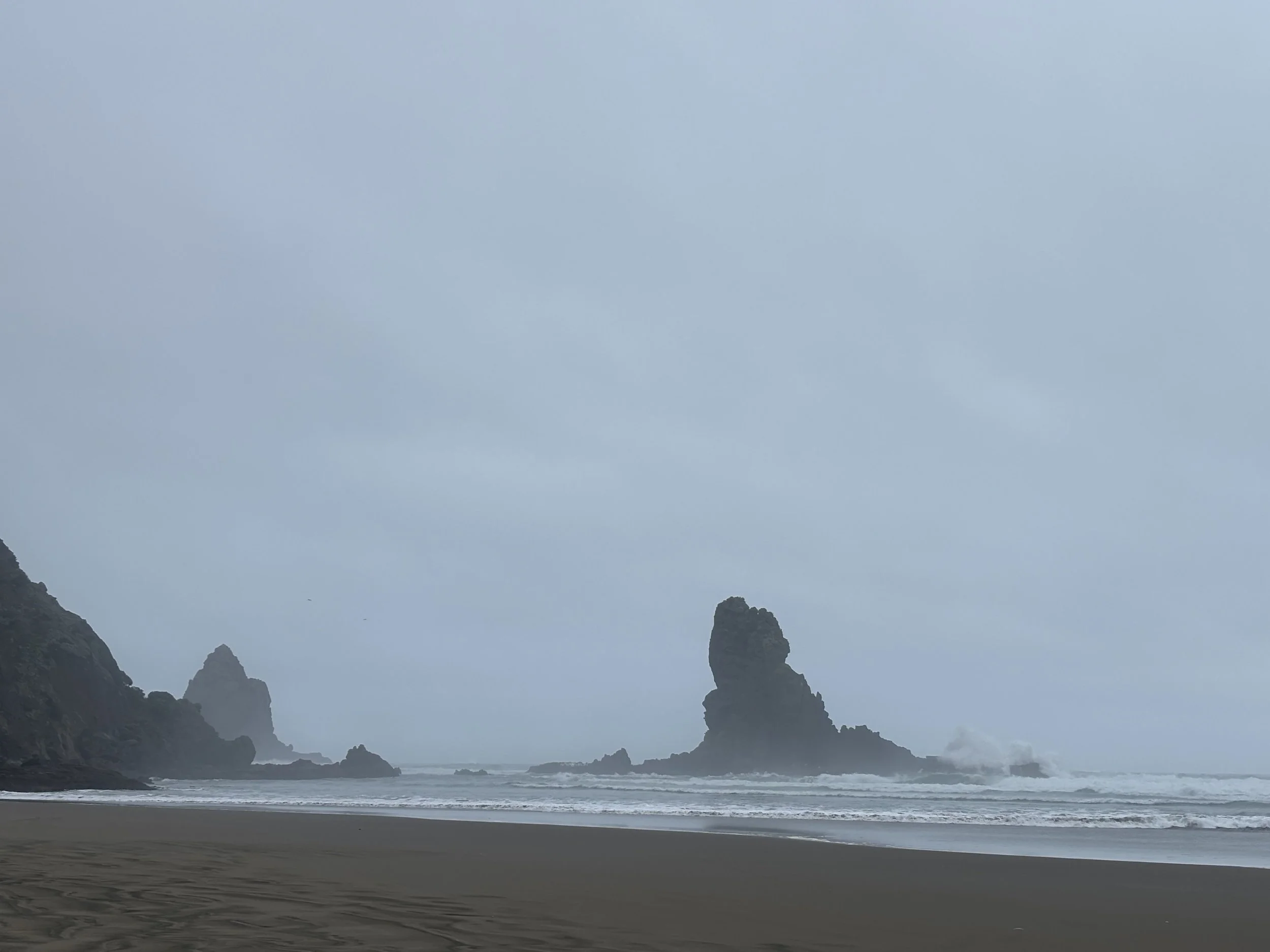
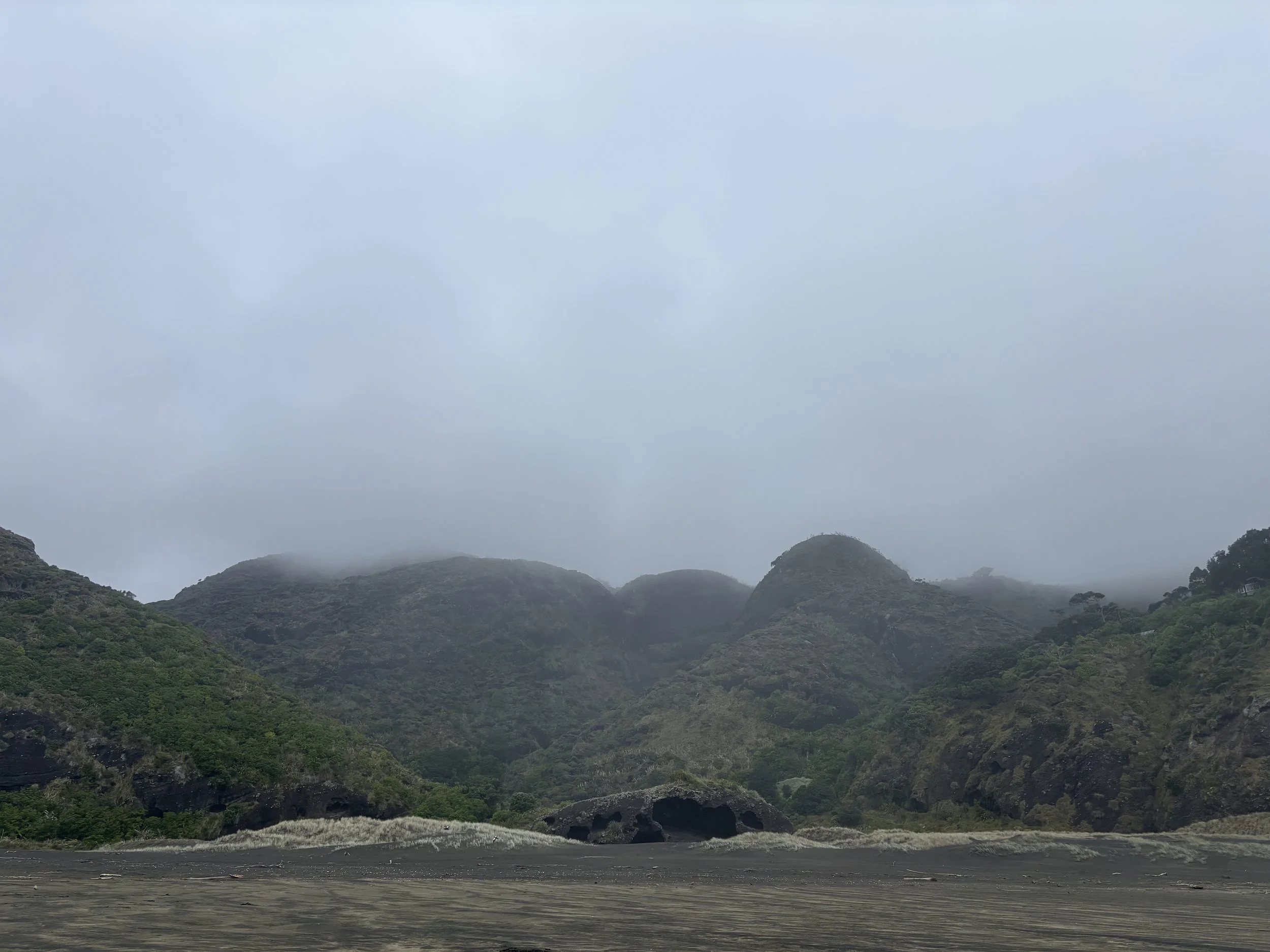
Anawhata nearly killed me. Thank goodness I went on a dank foggy and windy day so that the expedition down to the beach didn’t also give me heatstroke.
Anawhata also has a river running through splitting the beach into north and south. It seemed to me the most obviously volcanic. Perhaps the fog was doing some of the work but the dark black sand and tall volcanic cliffs covered in trees were so oppressive. In person they seemed to loom higher than they had any right to.
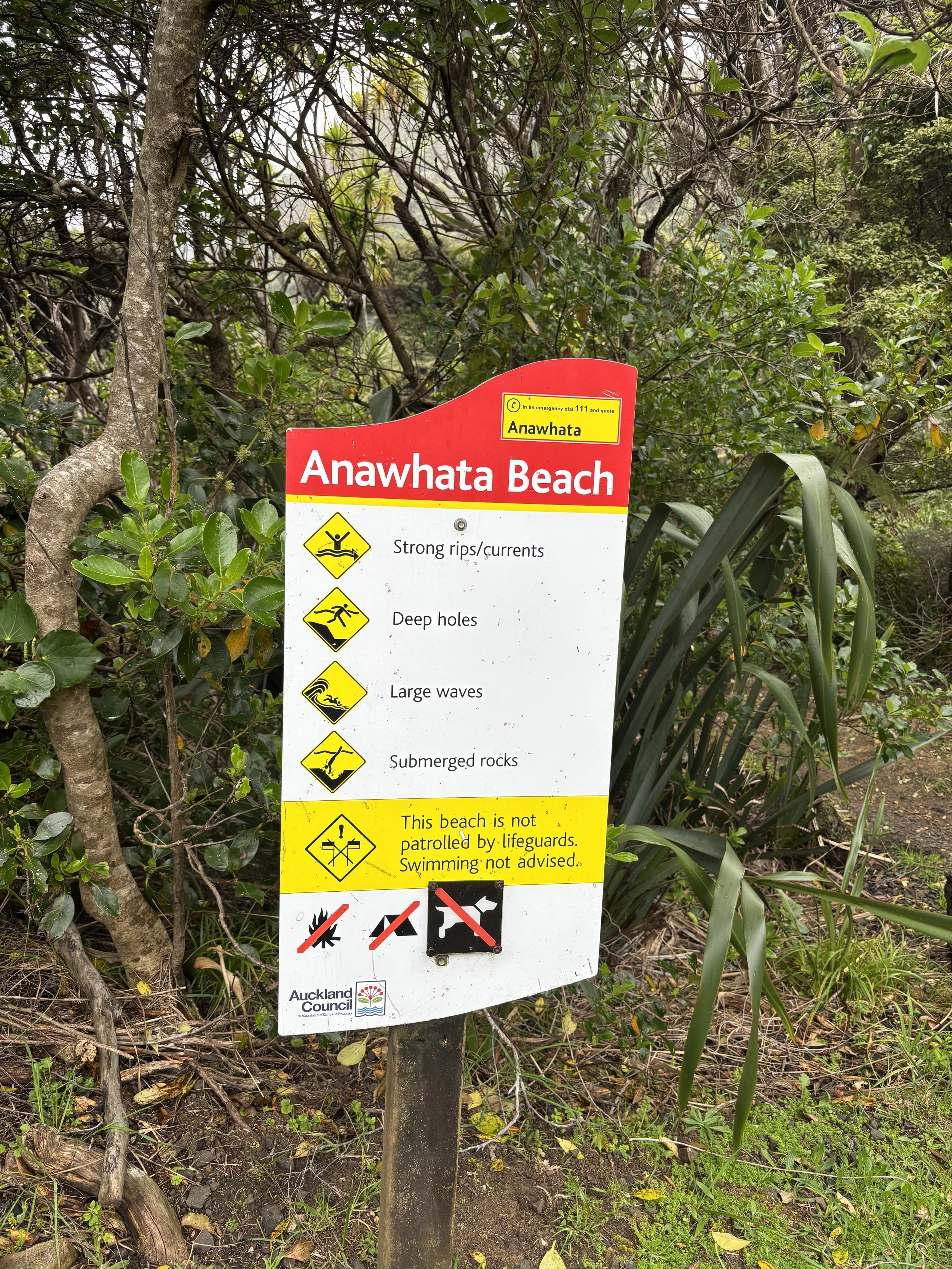
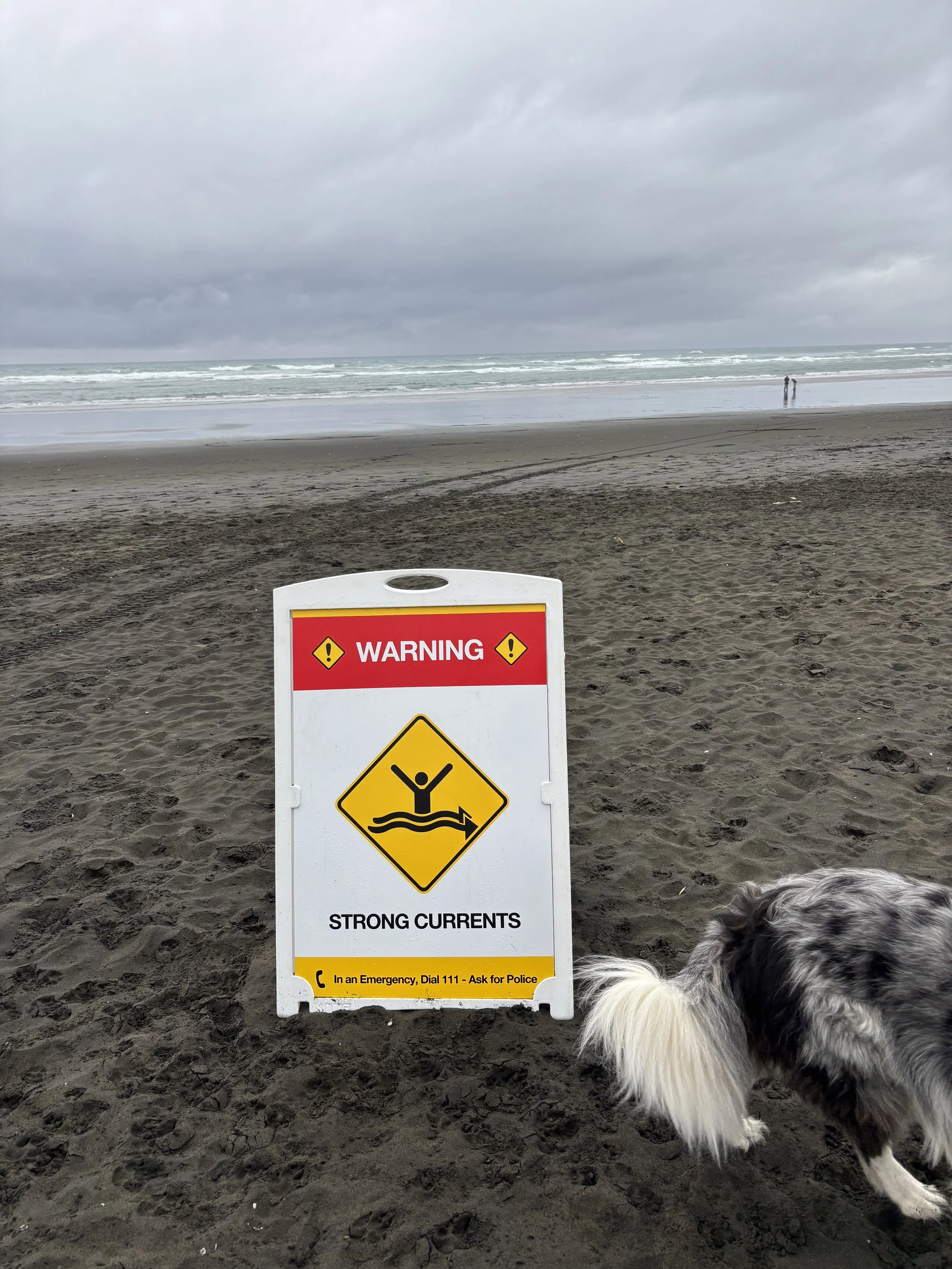
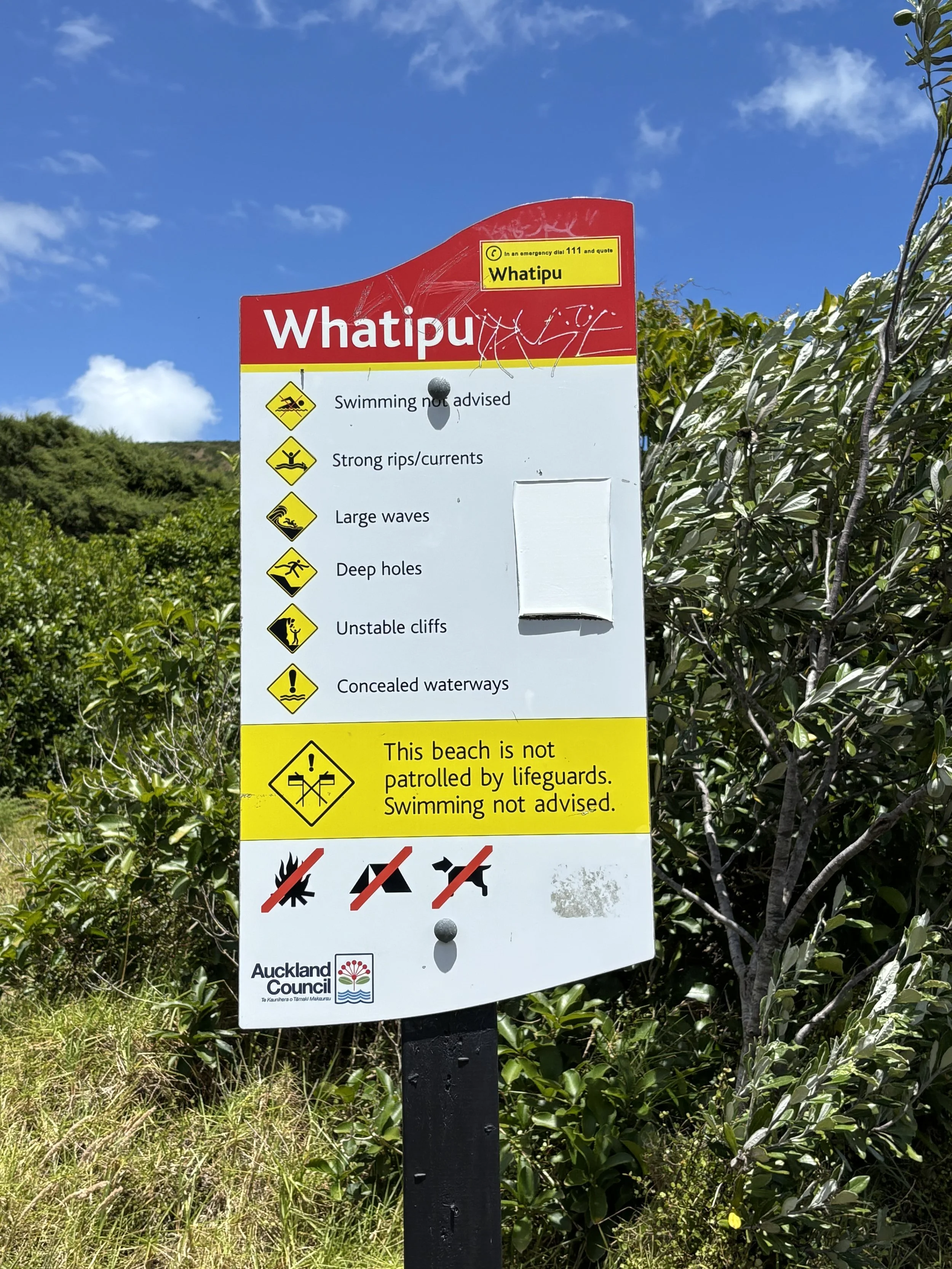
The beach itself didn’t seem worth the effort in the end - should the cliff walk have been a bigger clue - the beach has signs to warn you it is not safe to swim, or surf, you cannot camp there, no fires, there are no lifeguards and you do anything at your own risk. It’s a beautiful spot but given how unhelpful it is to get to and that you can’t treat yourself to a dip when you do get down there it’s not a beach I’ll be hurrying back to.
Piha
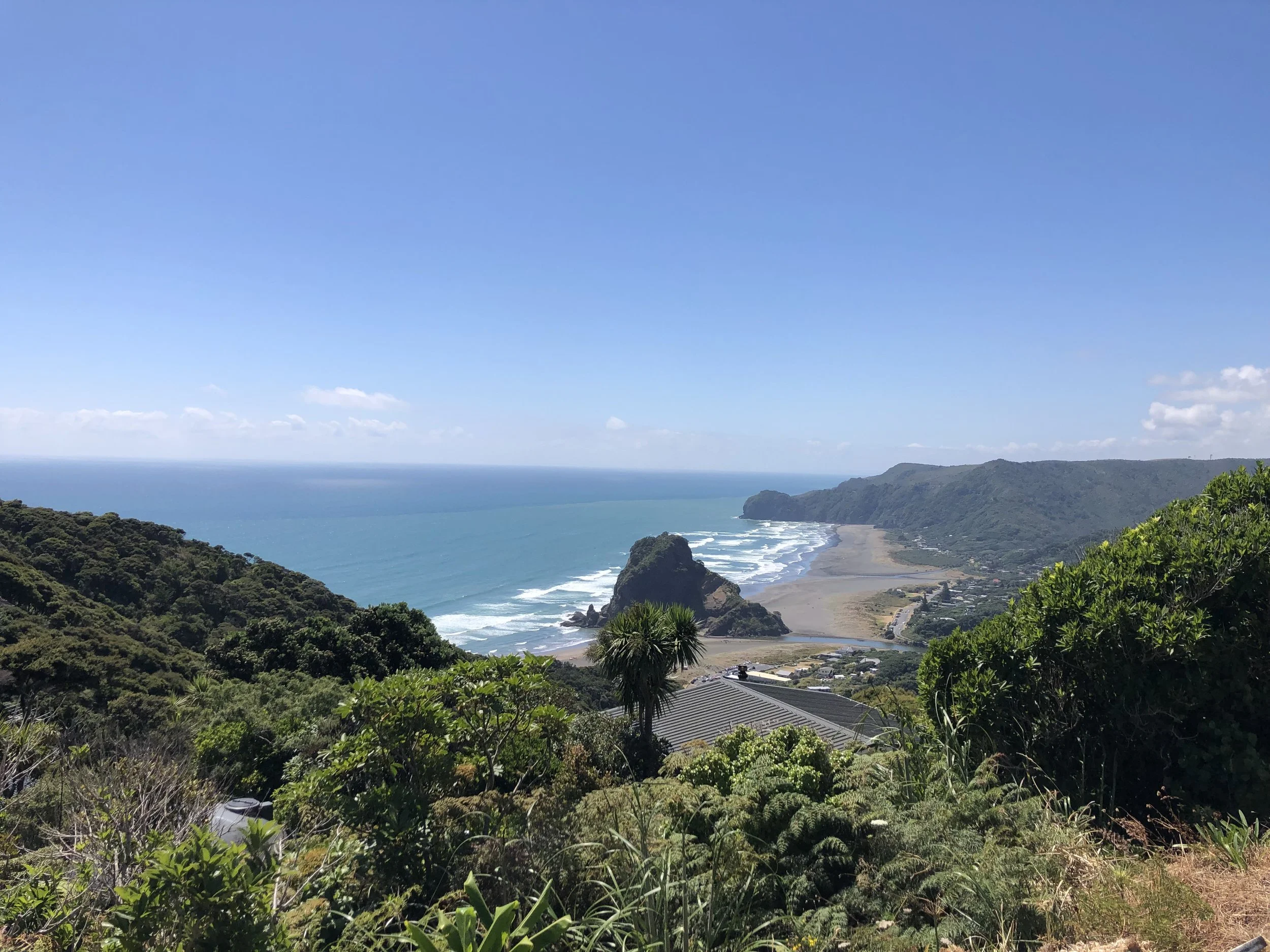
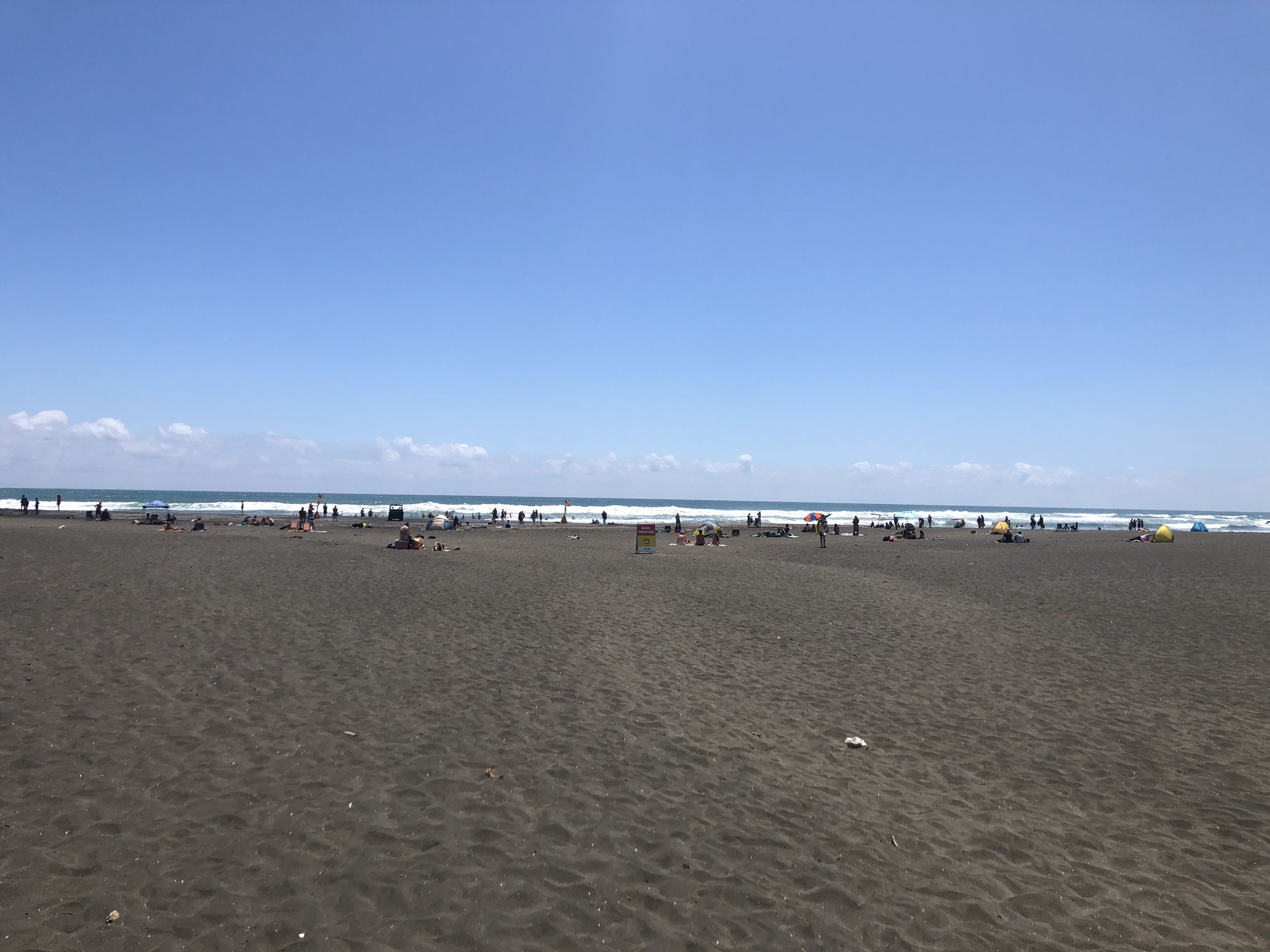
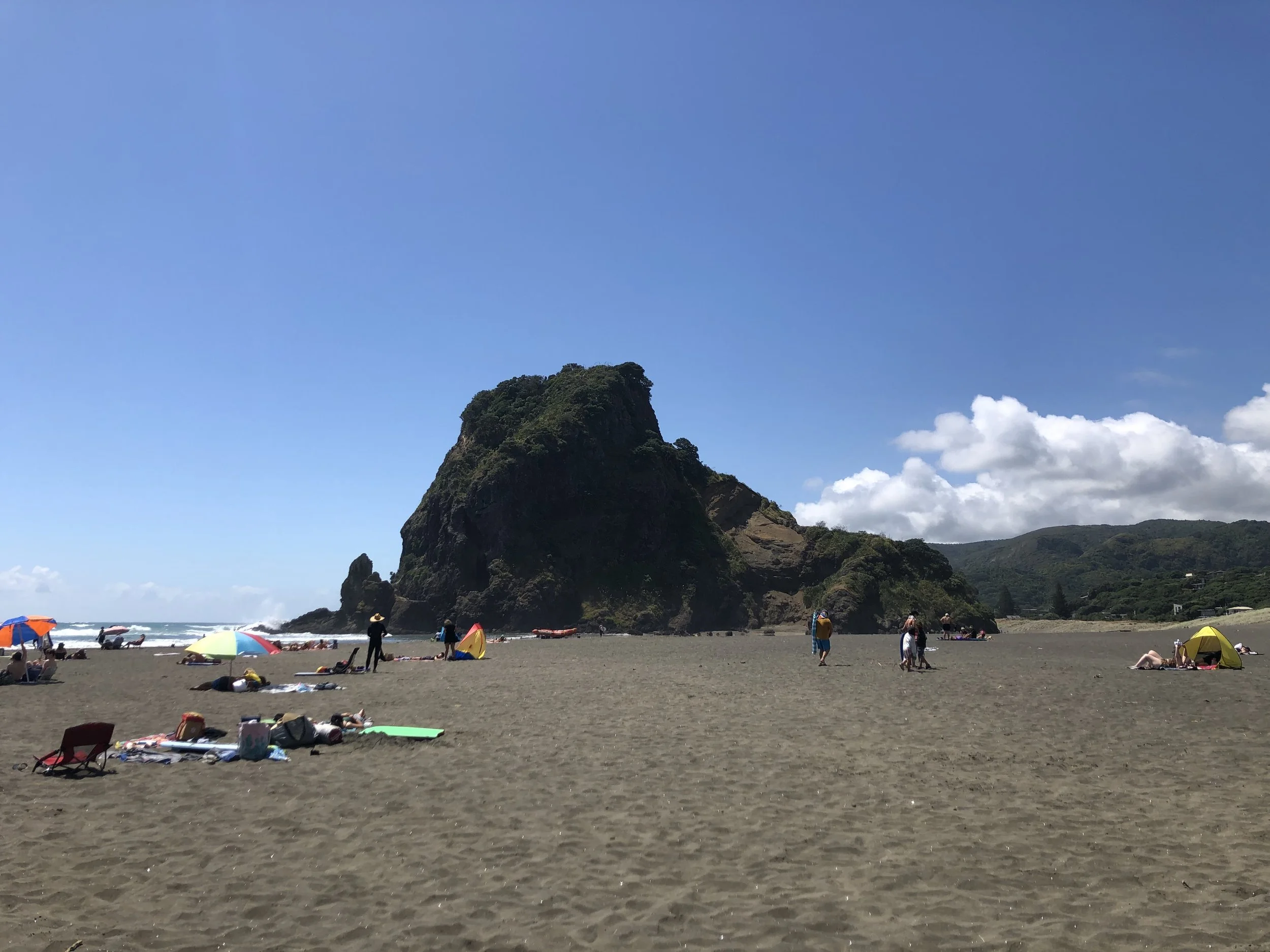
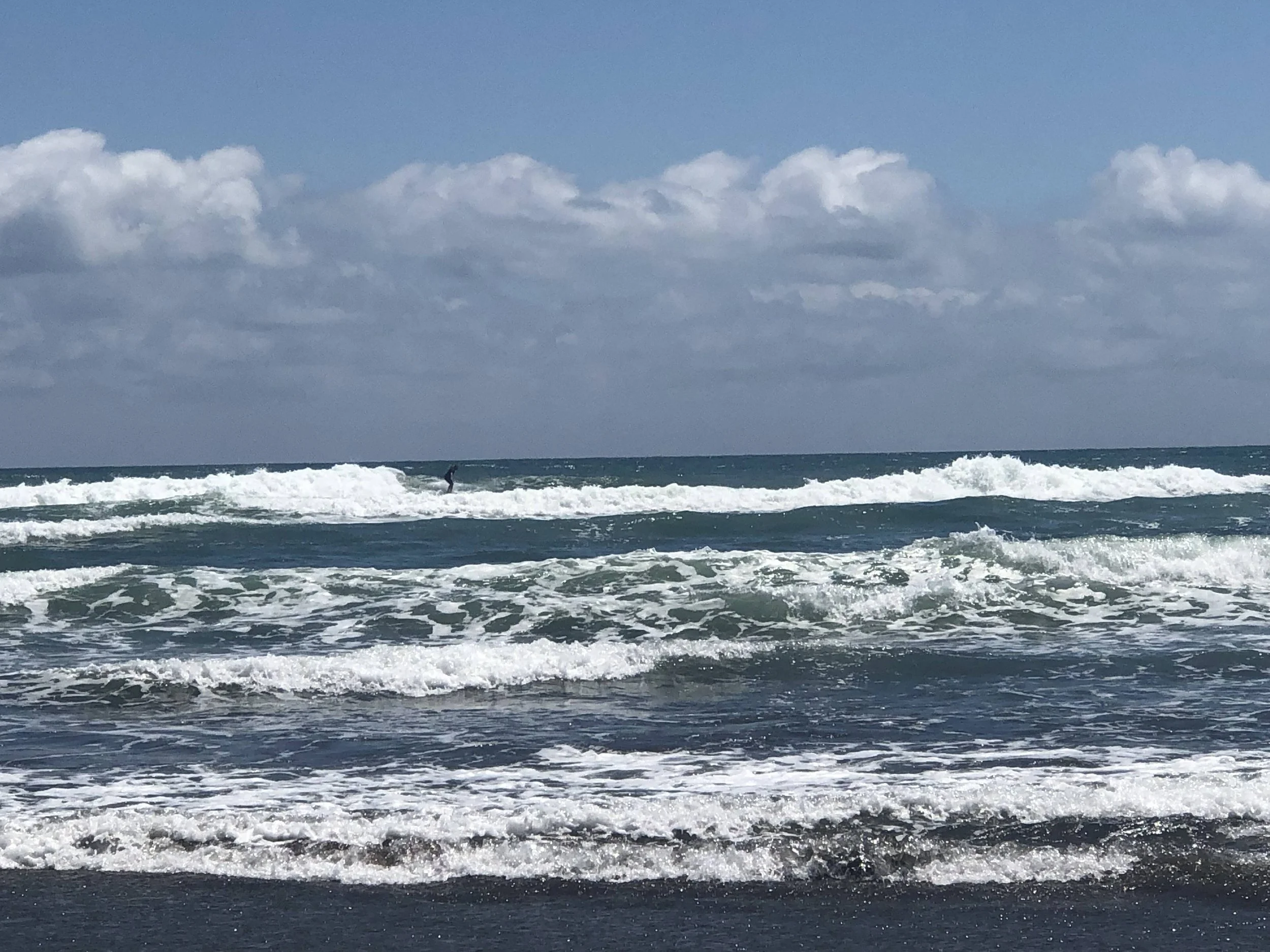
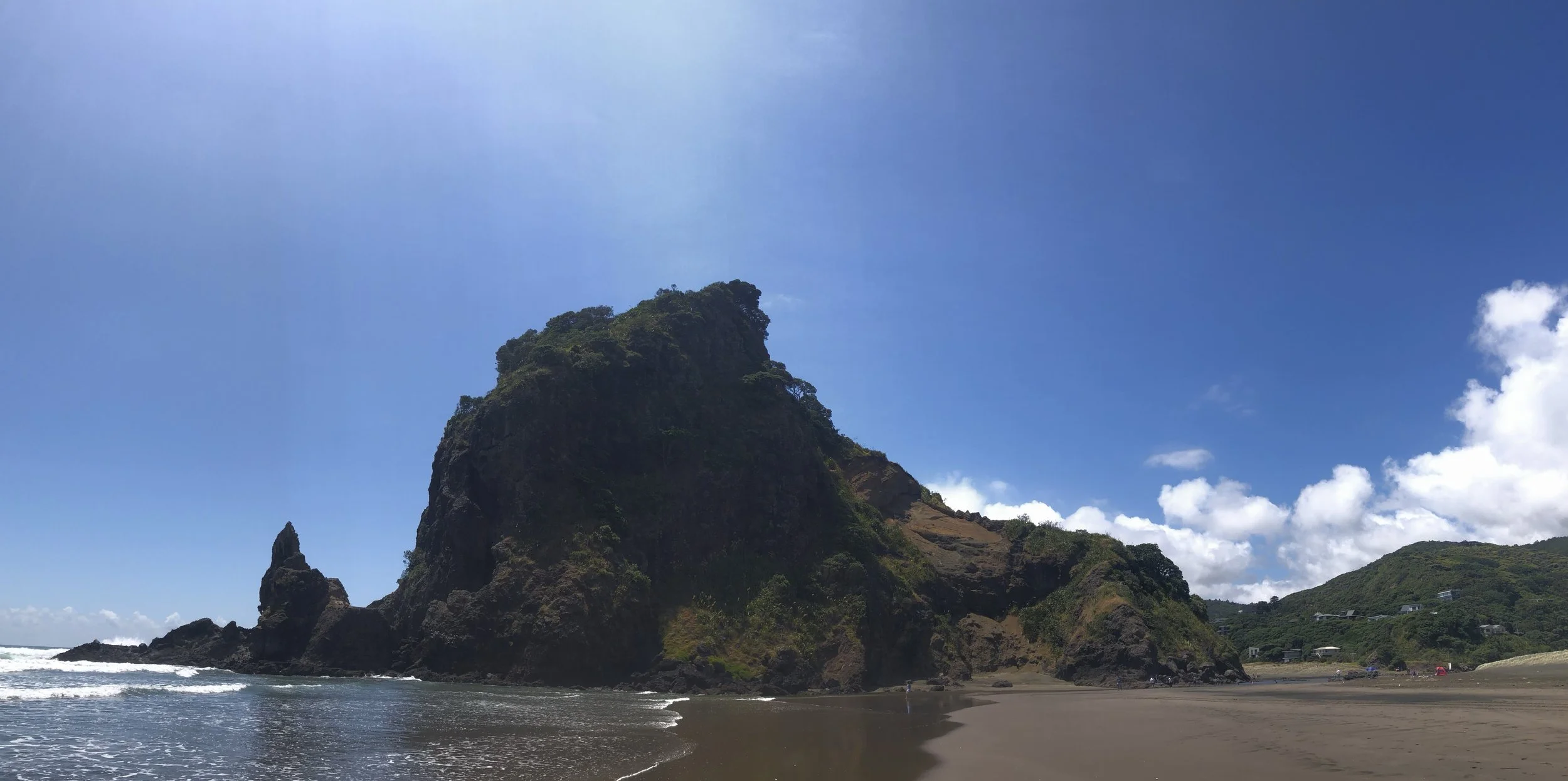
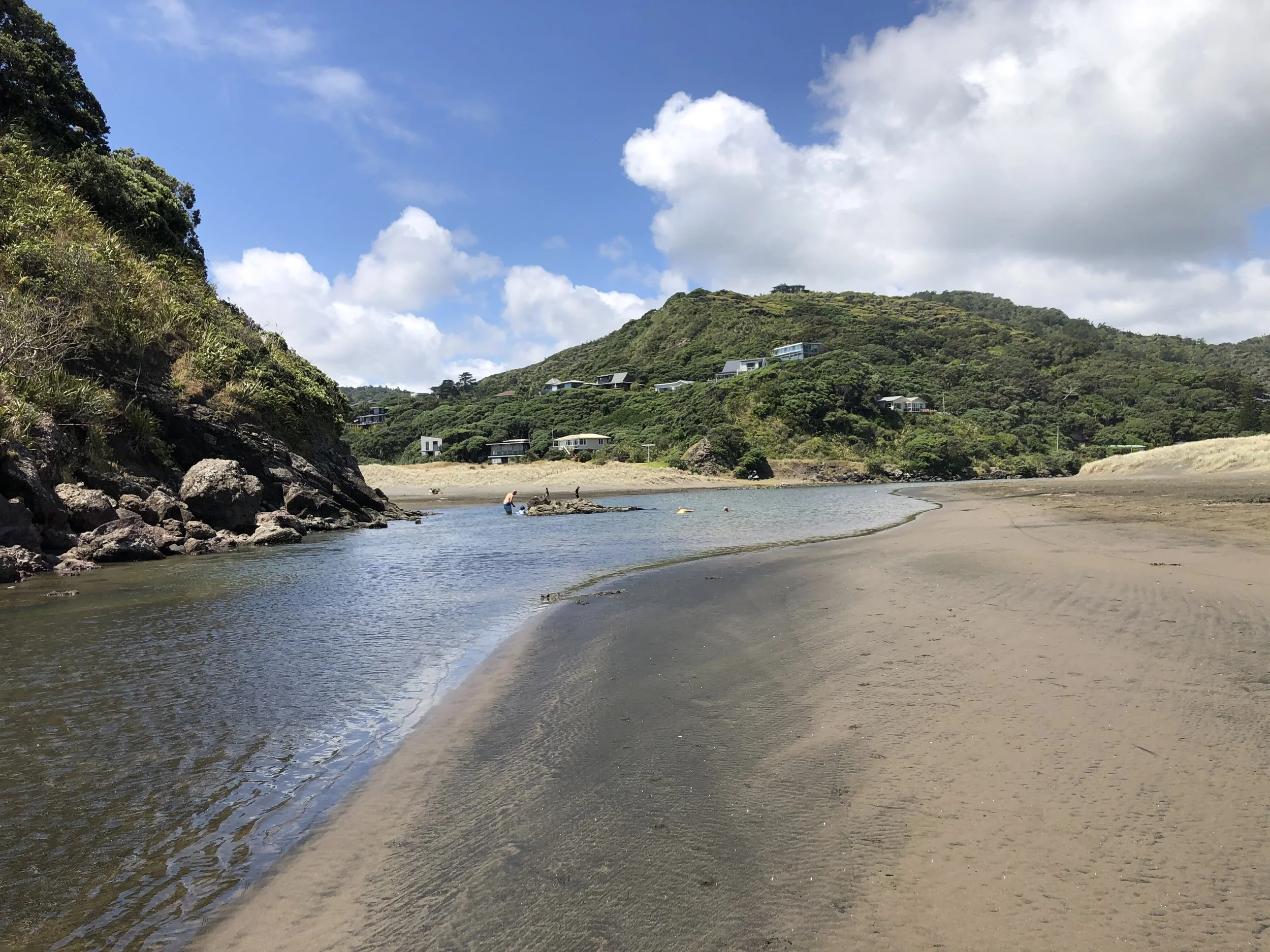
Piha, of Piha Rescue fame. There used to be a group from my swim club who would leave early from Tuesday trainings to watch our coach on Piha Rescue instead. He argued that he was there in training in person but we weren’t so impressed seeing him not on telly, we’d already met him. (Sorry David)
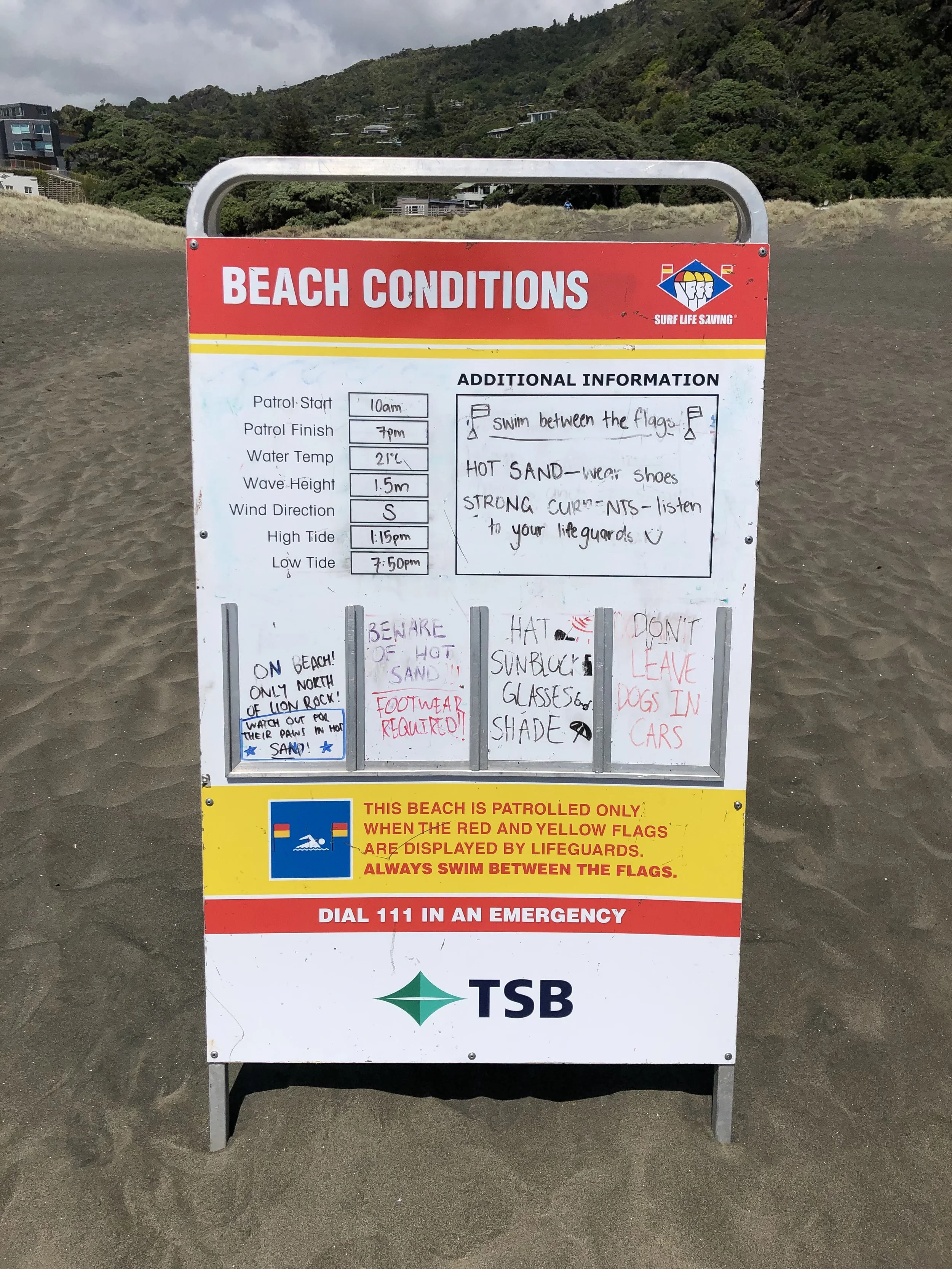
Piha has the beautiful aforementioned Lion Rock which I was unduly enamoured with on my visit. Again a beach split into north and south by a river. I will admit it was nice to visit a beach with so many people making use of it. There was a heavy lifeguard presence, even though it’s famous it’s still a west coast beach and that is a health & safety nightmare in and of itself. Most people were swimming between the flags or wading in the river.
It’s another beach that was fine enough but took so long to get to that it was a little underwhelming and overhyped.
Karekare
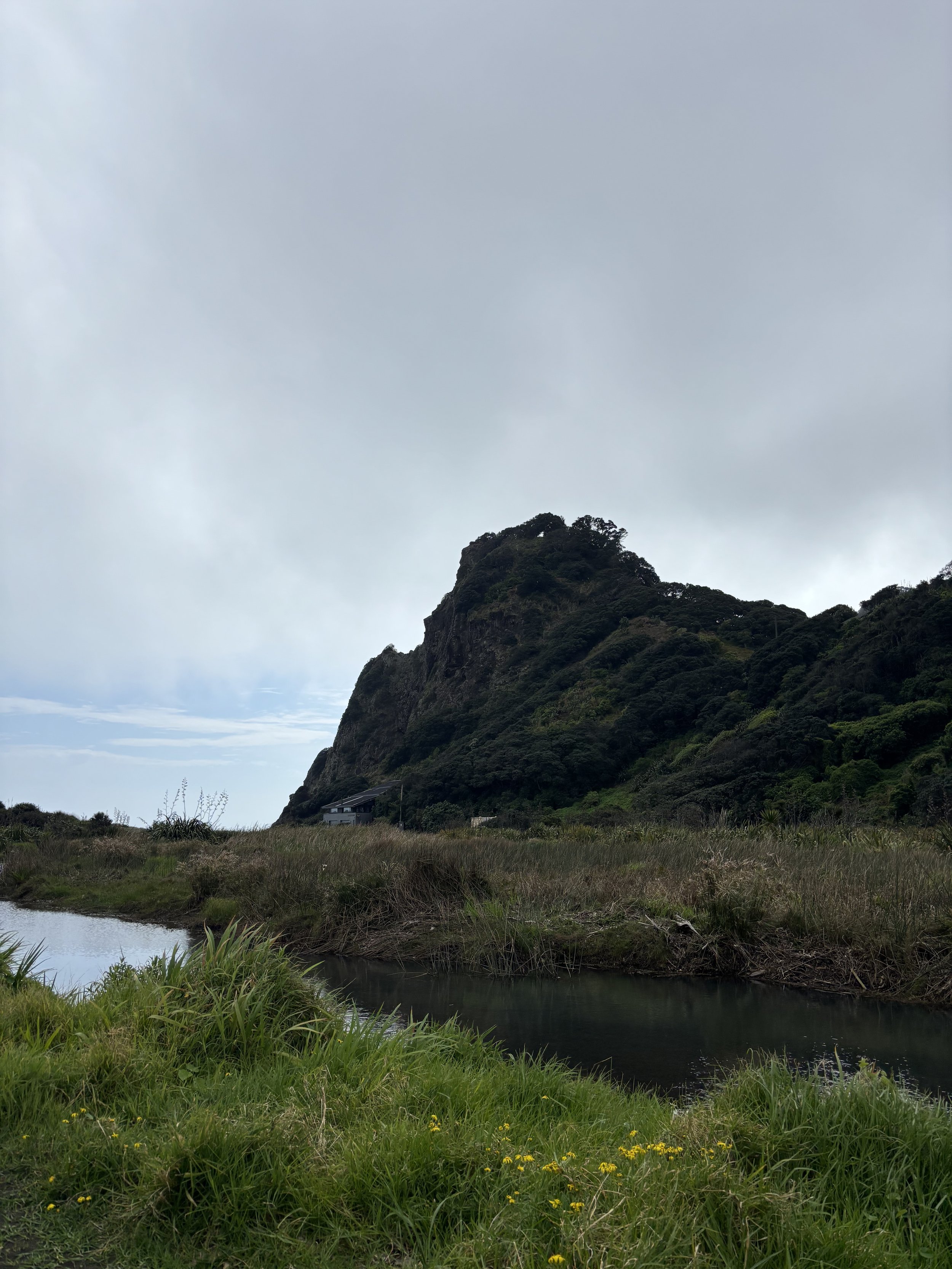
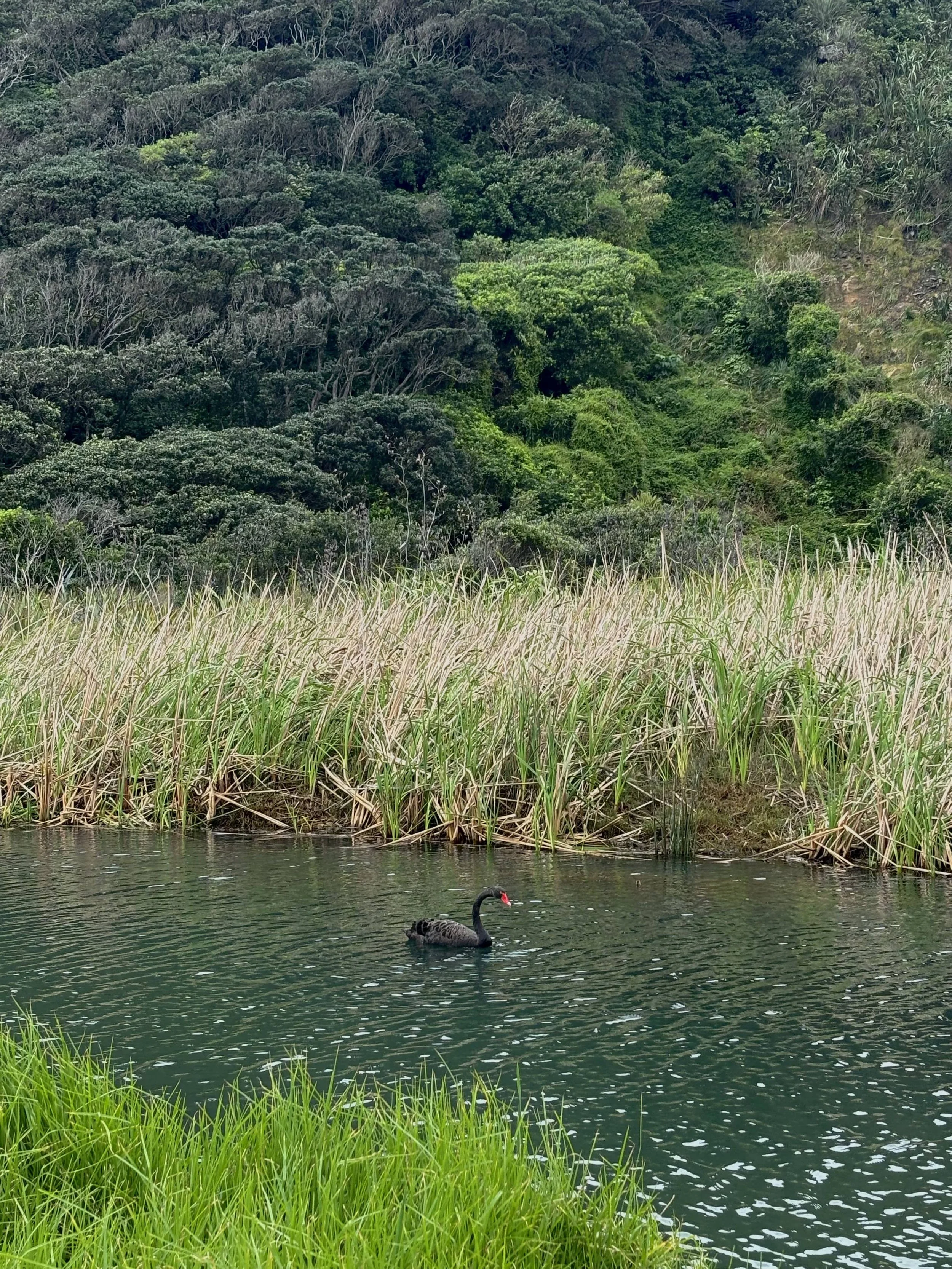
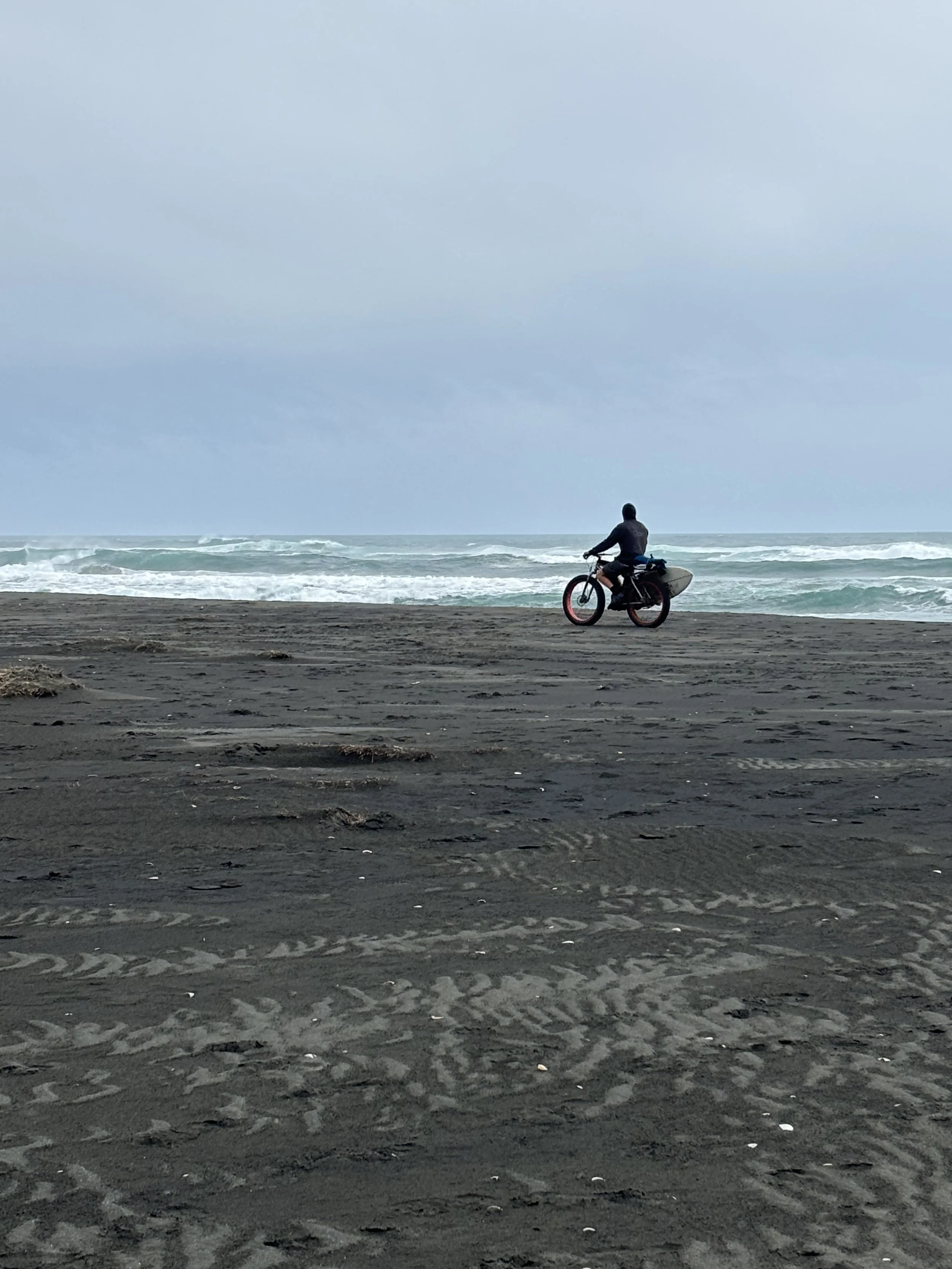
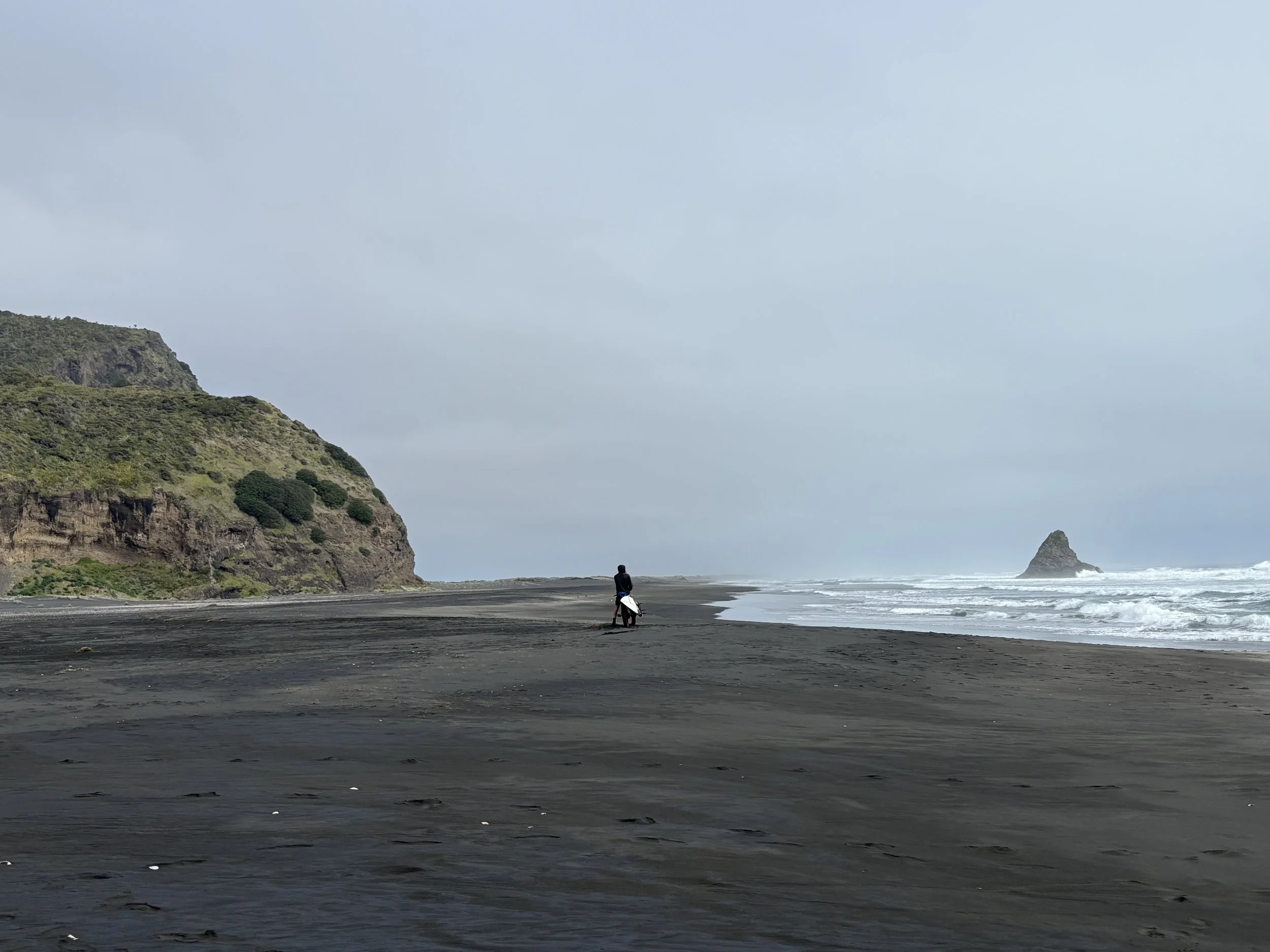
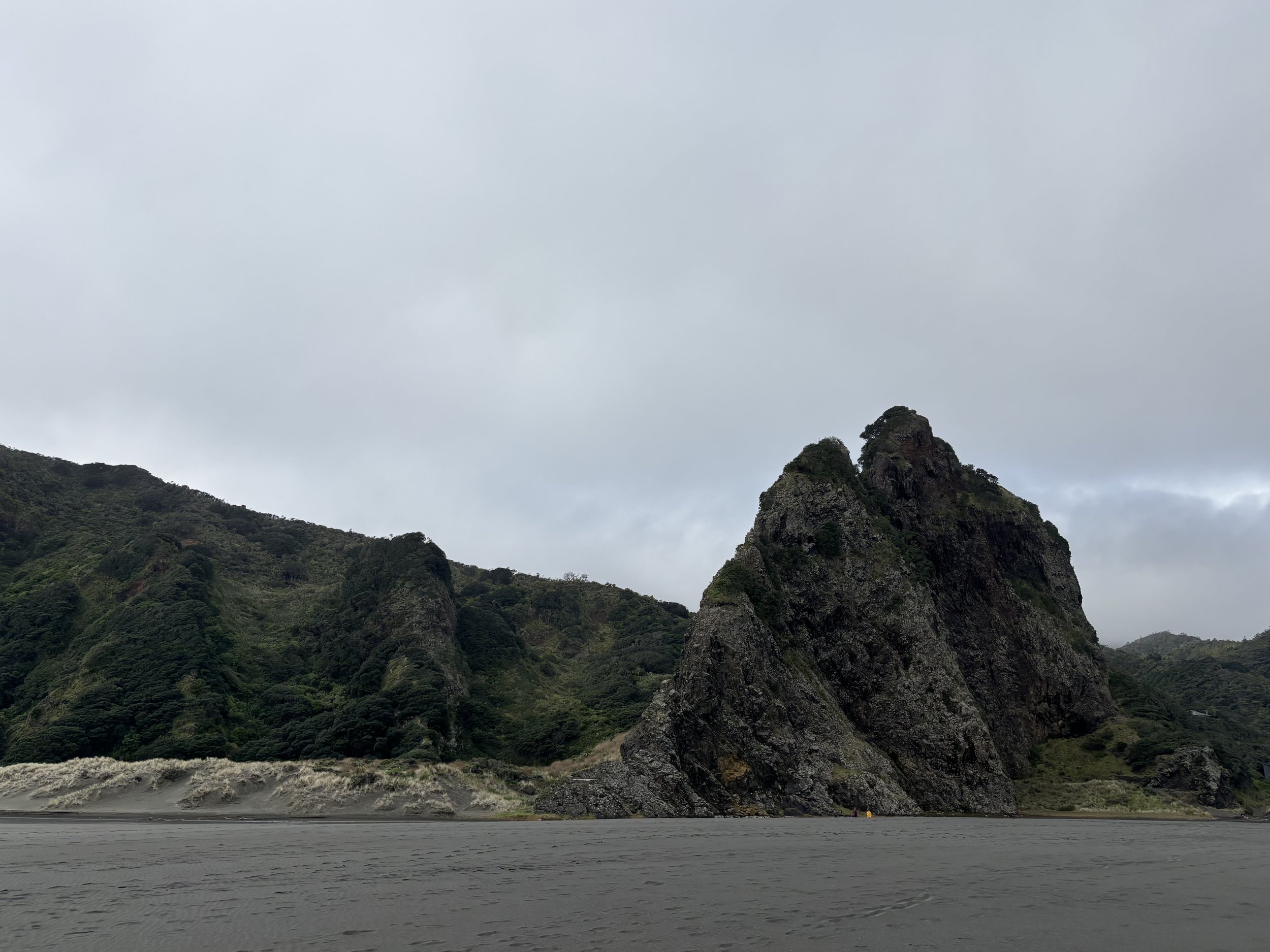
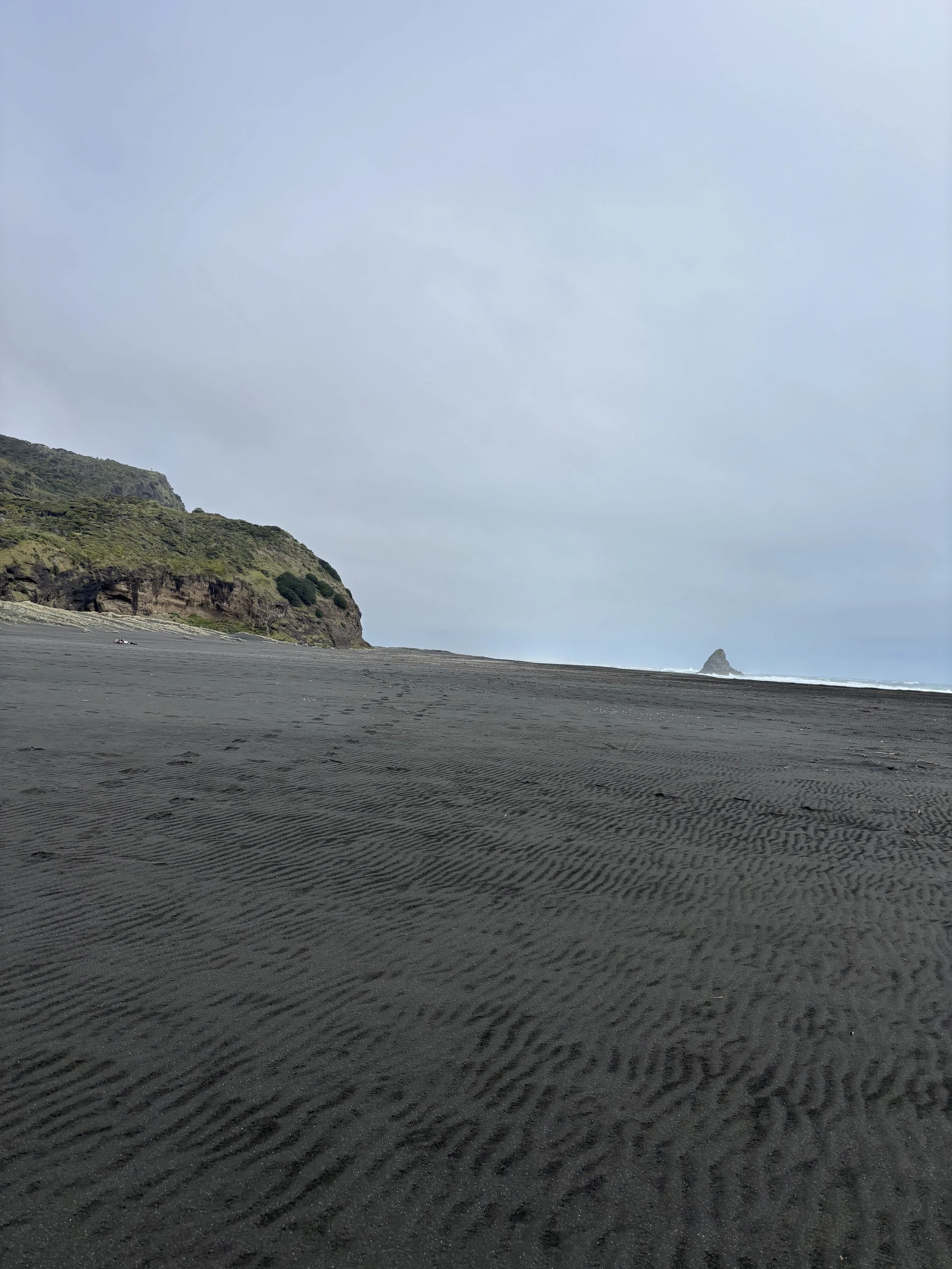
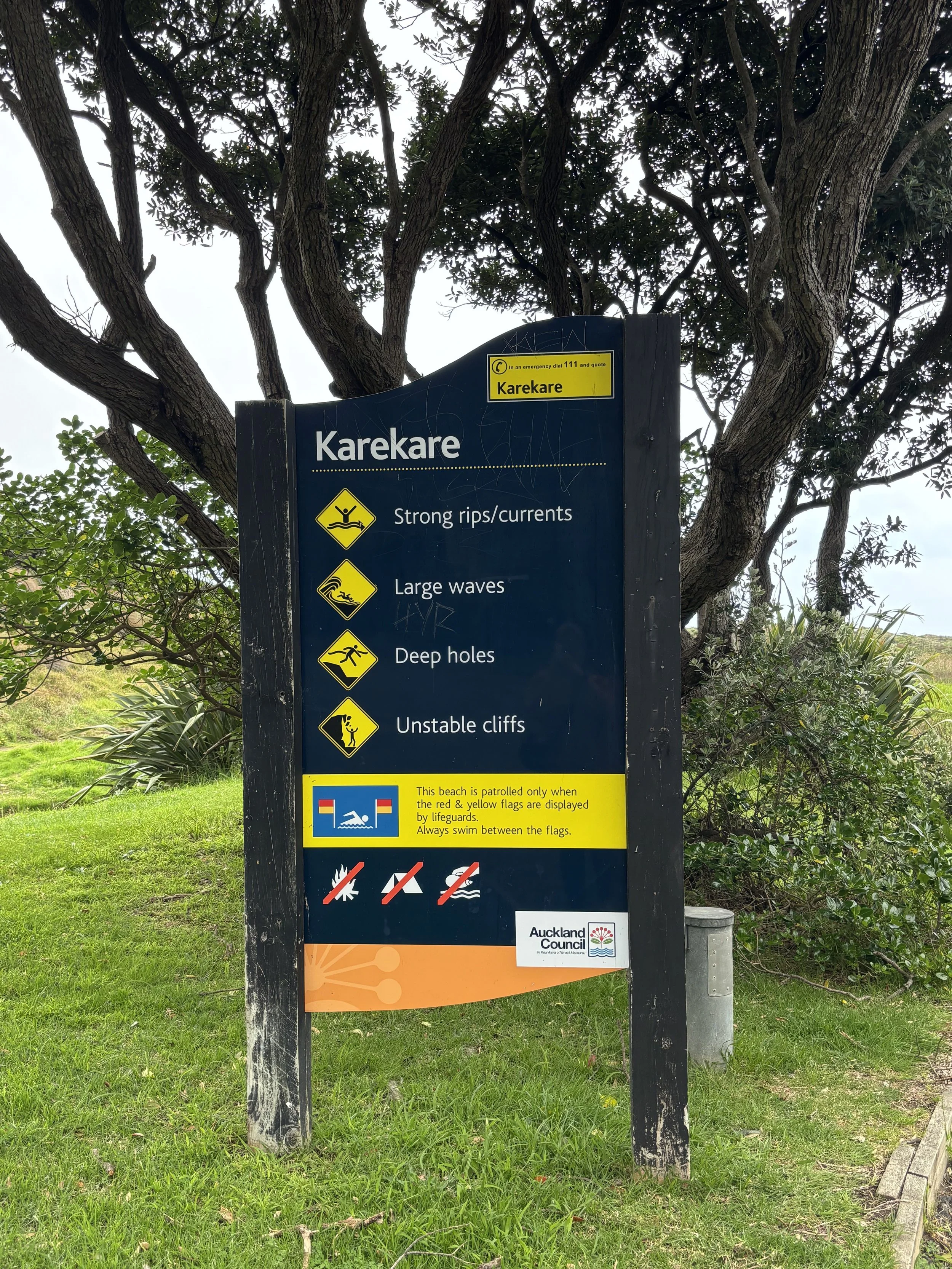
Karekare beach was perhaps the most confusing to find the actual beach for. If you follow the path to the lifeguard hut there is no beach access, you’re blocked off by yet another north/south divide river! Instead you get to the beach via a gap in some bushes and along the edge of the dunes, then you see your old physics teacher and wish that you weren’t quite so dishevelled, and then you get to the beach. Very important that the physics teacher recognise you first otherwise you’ll never get out of those dunes.
Karekare was pretty but small. Plenty of people playing in the river but none out in the sea. There were more of the ubiquitous volcanic rock spires. All of the hallmarks of a west coast beach.
Perhaps an unfair mark against it was that Karekare road was still closed after the 2023 floods so you have to take the long way around to get there. The narrow roads leaned over by trees were beautiful, the locals who had more than enough confidence lead to a few hairy moments. It’s not the only spot in Auckland that is still working through flood damage, there are still harrowing scars in Muriwai and further inland for people who know where to look.
Karekare would be worth visiting for a dramatic sunset, but maybe wait until the roads are fixed.
Cornwallis
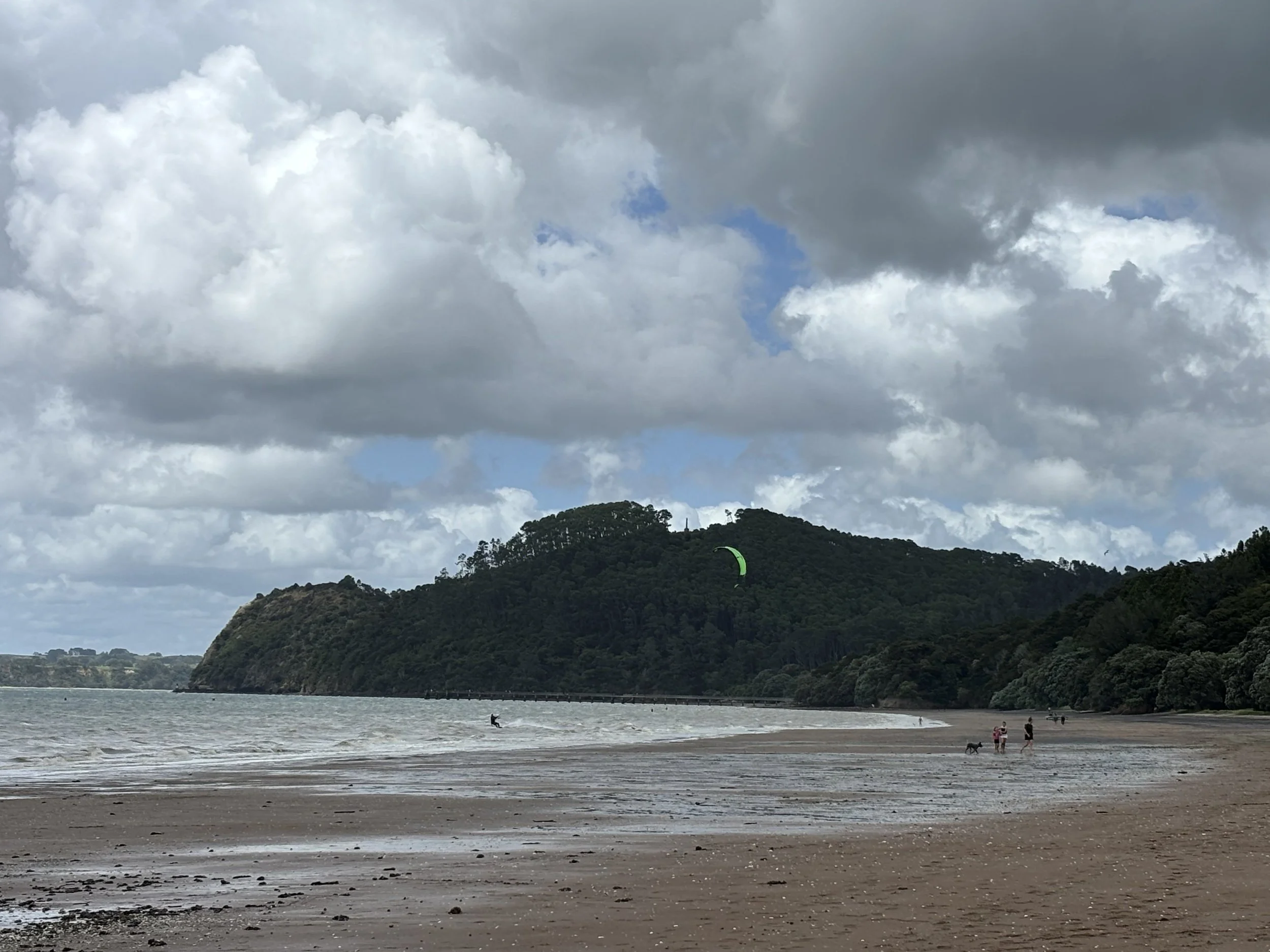
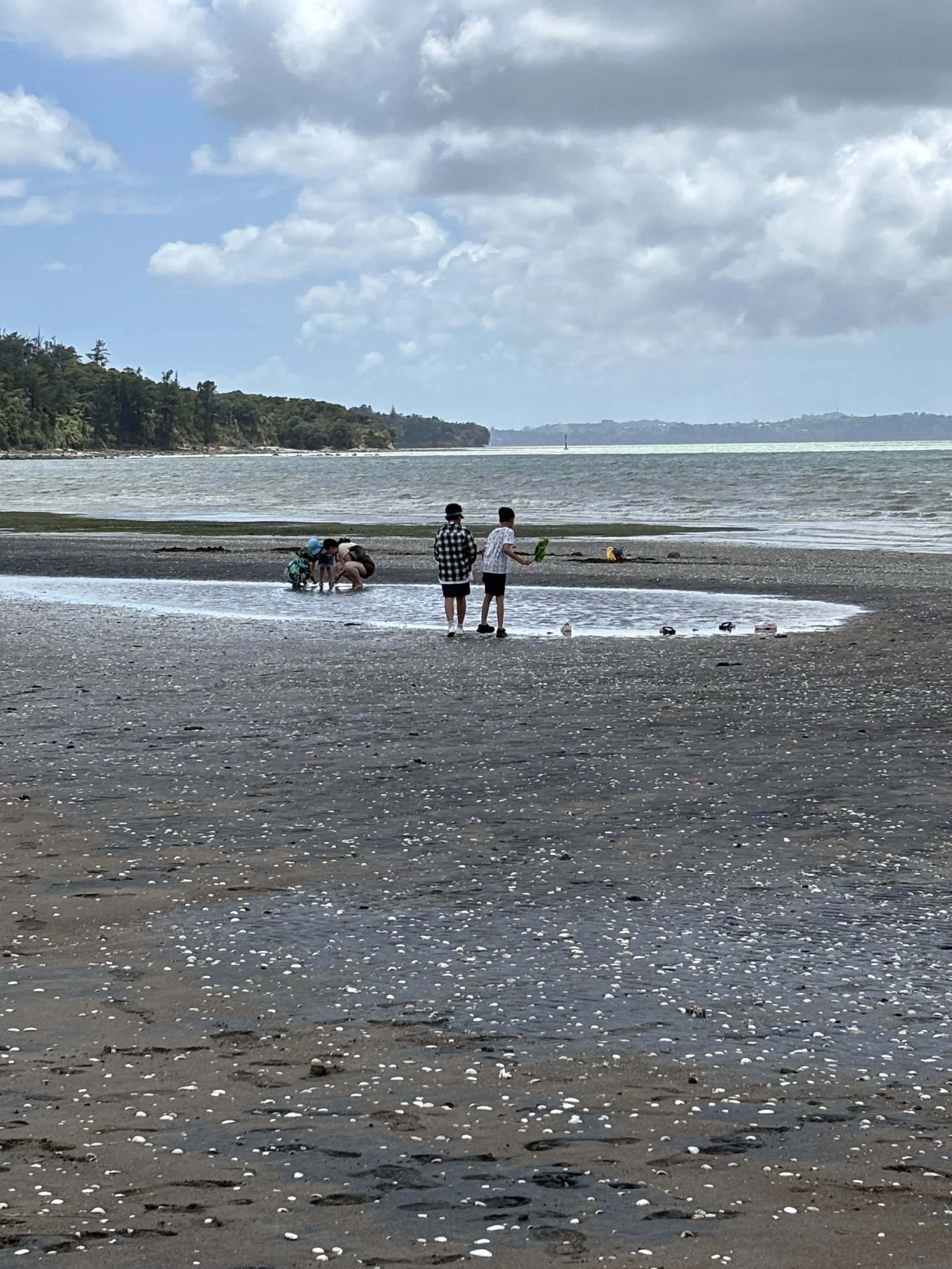
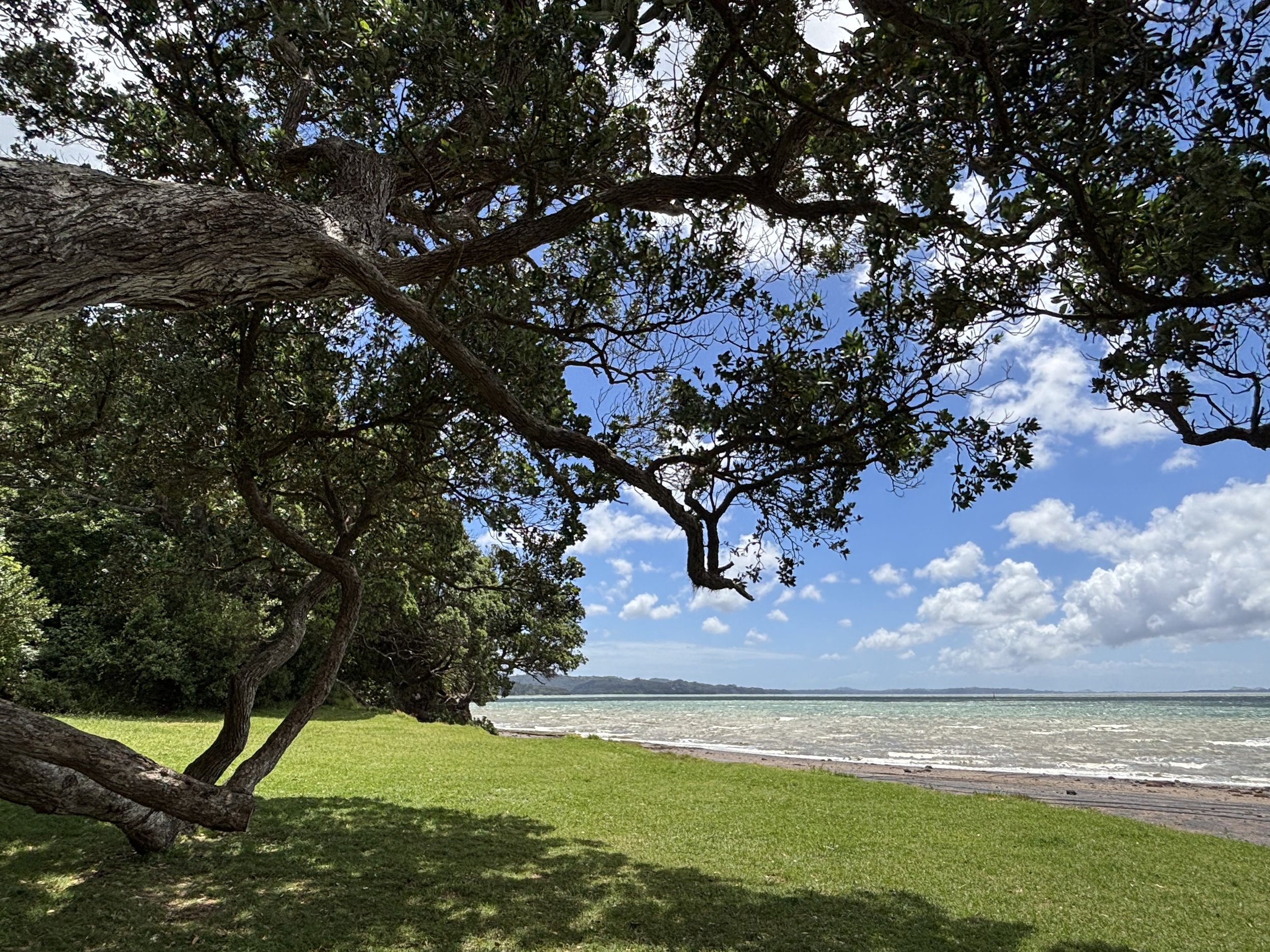
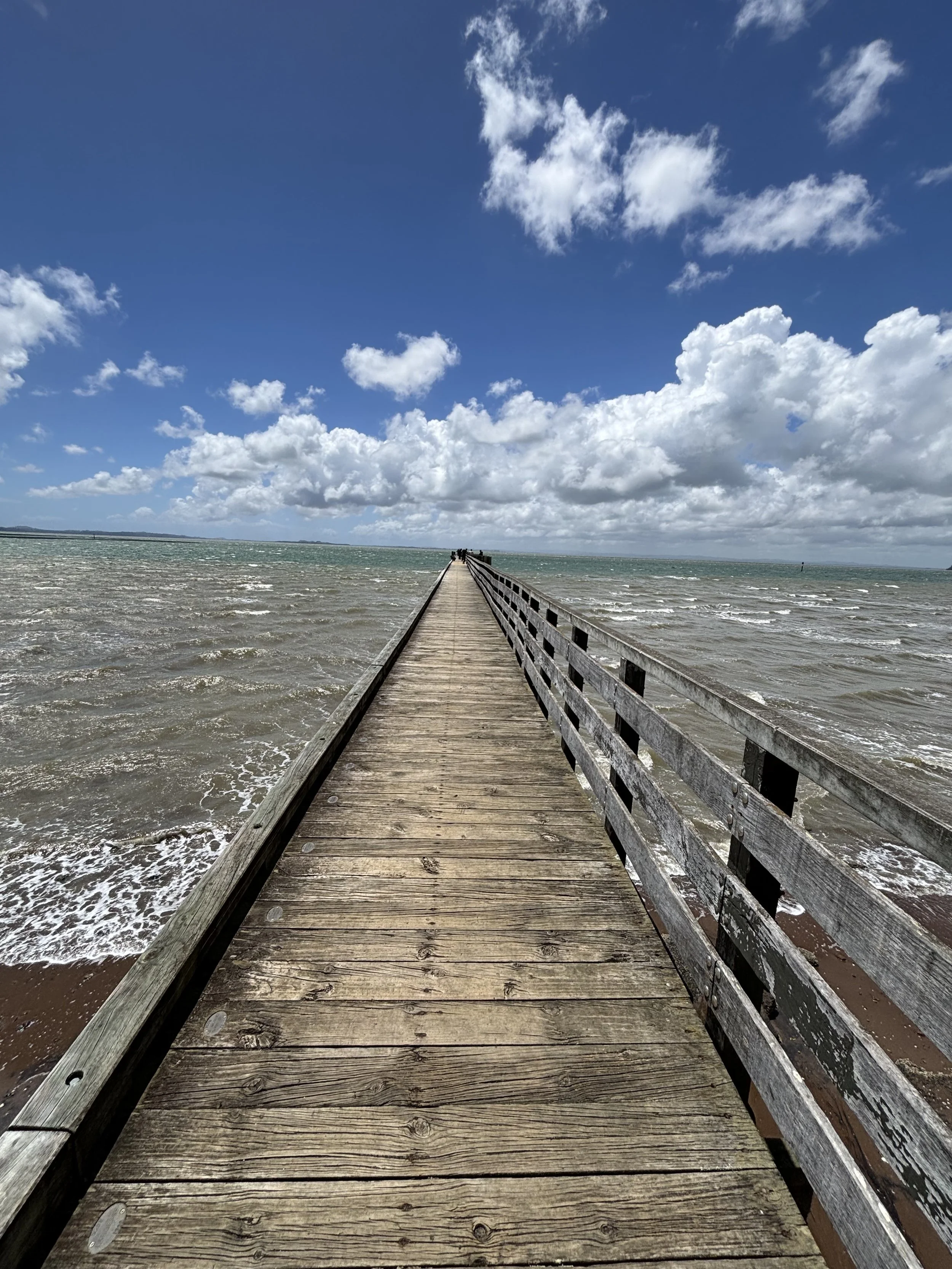
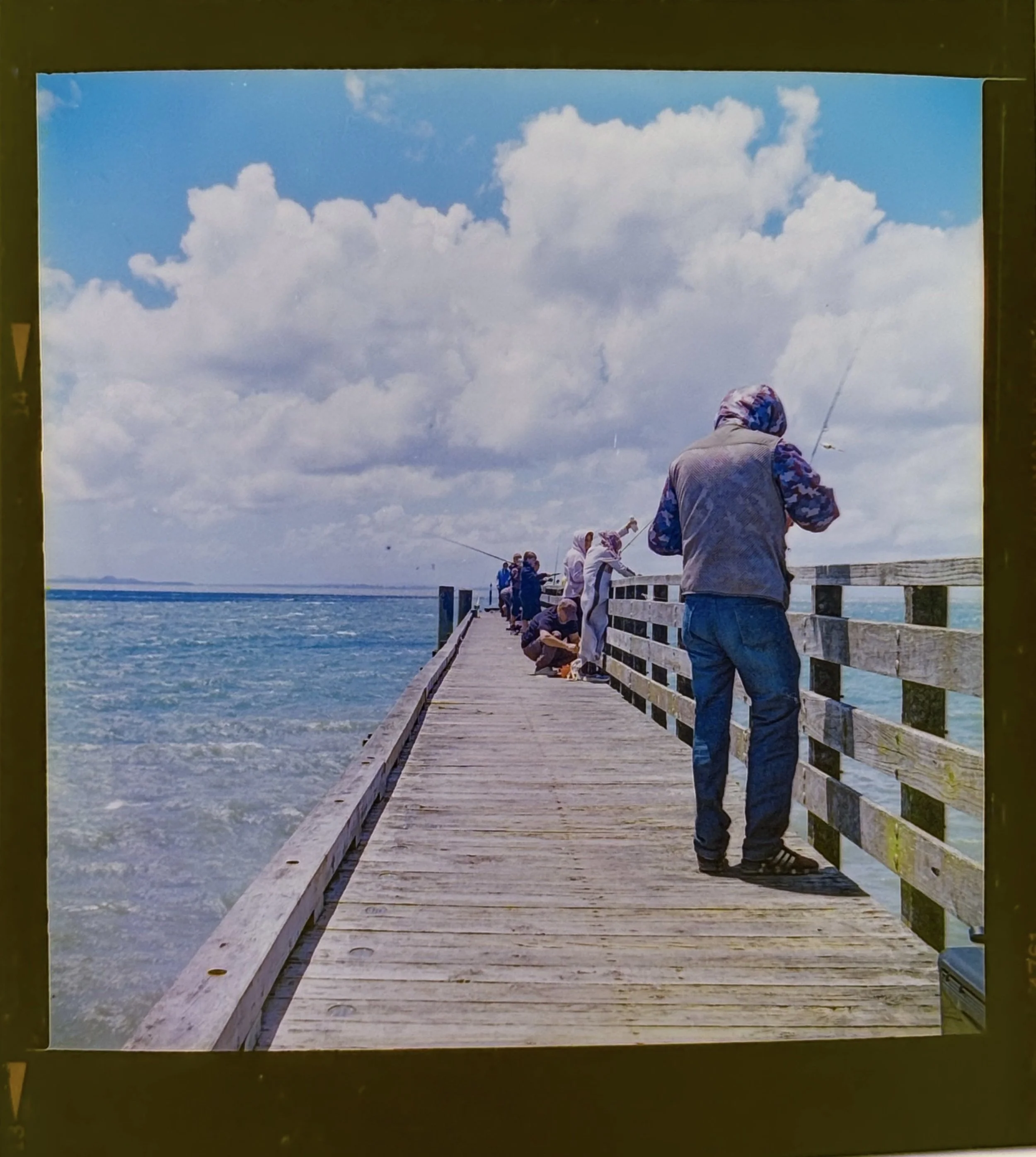
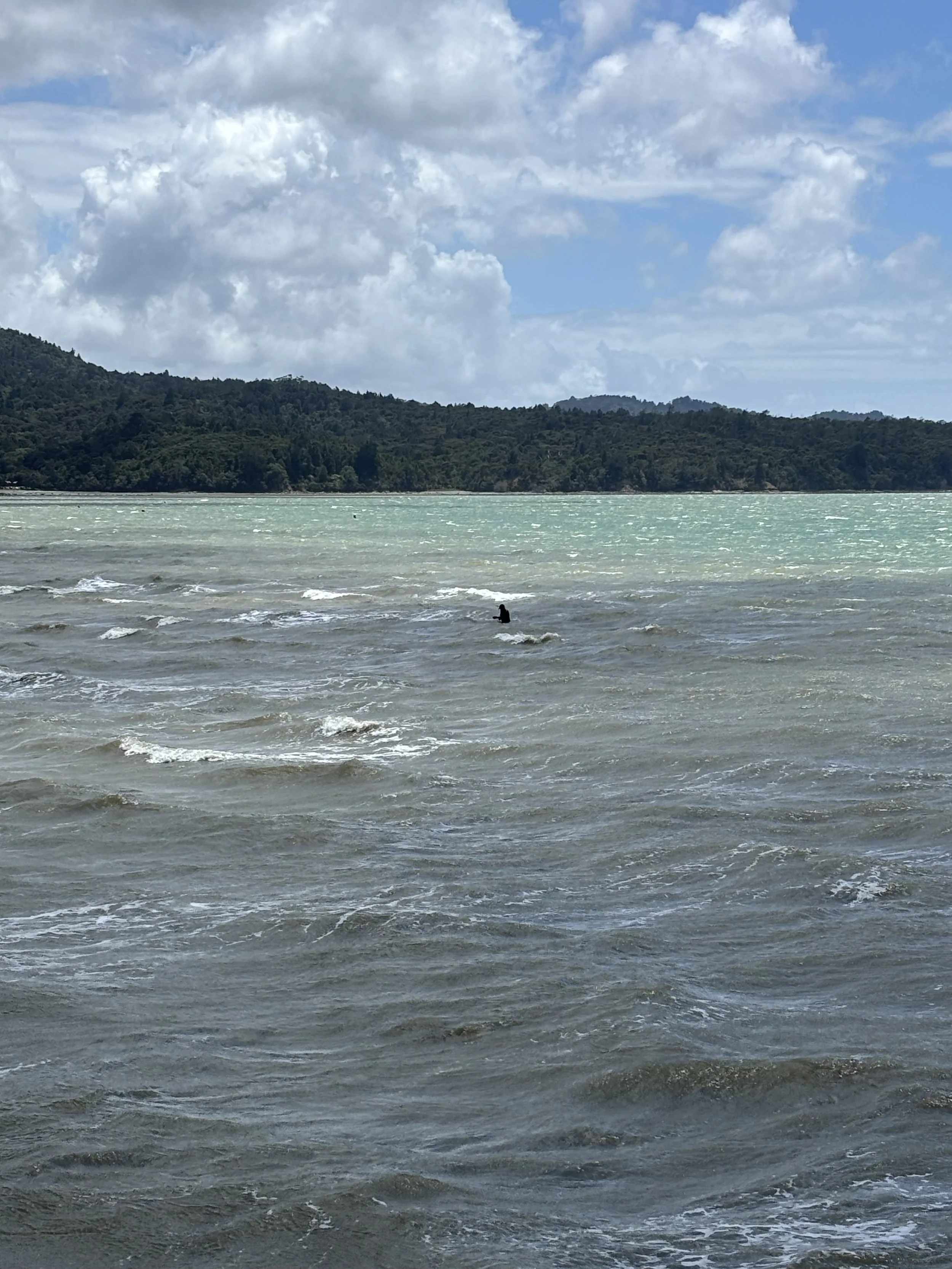
The west coast’s answer to east coast beaches.
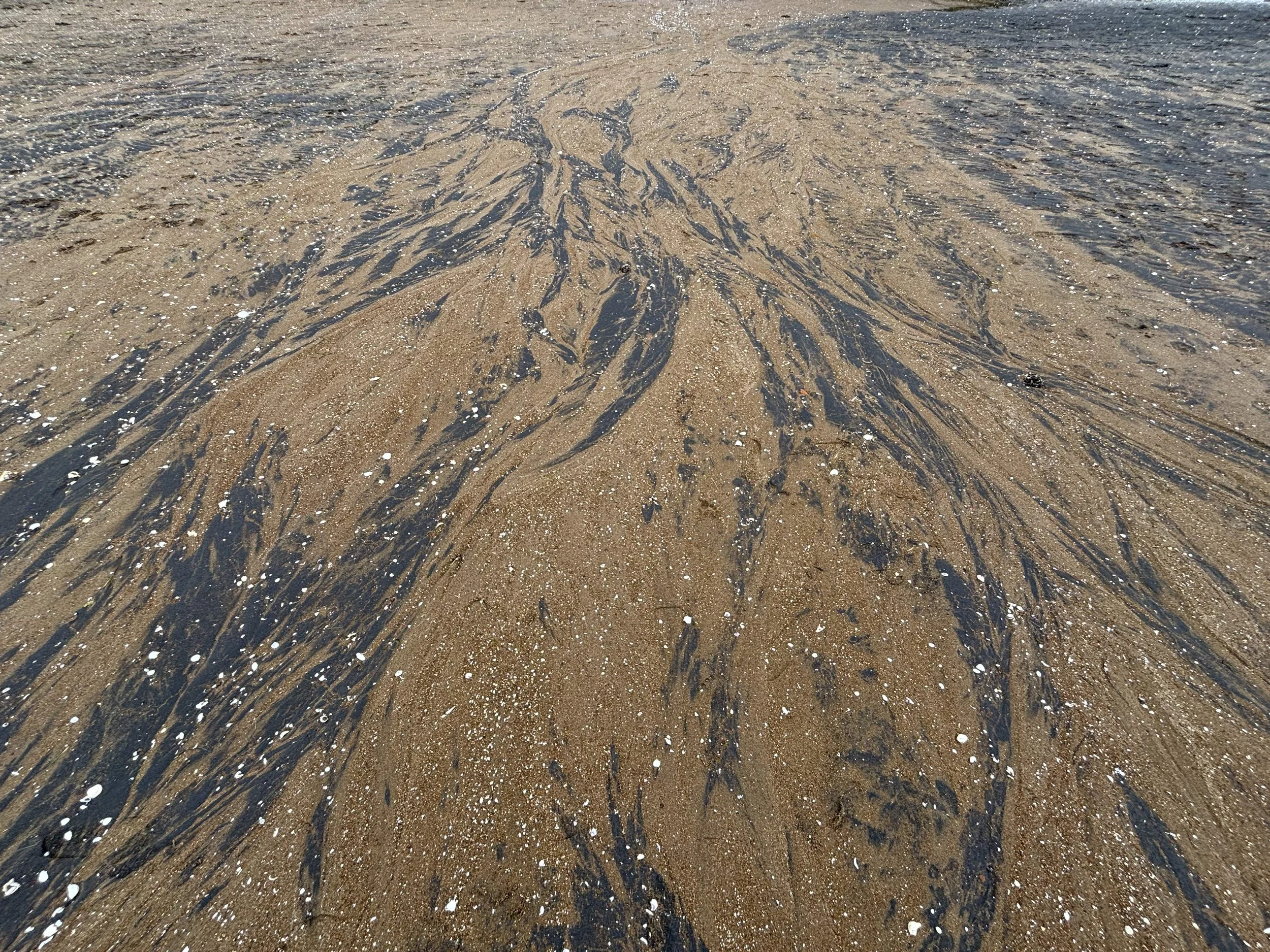
A confused mishmash of a beach, it had the grassy picnic areas of a long bay beach, even a wee bridge over a stream like Mairangi Bay, bookended by volcanic rocks. the sand was tiger-striped with white and black sand. The shelter in the harbour meant that when I visited at low tide there was a large slimy patch of liquified sand that I did not enjoy.
The pier was jam packed with people fishing, there was even a silhouette of a diver out in the waves. I assume they were fishing for something and not just a bad spy. I appreciated how dignified Conwallis presents itself, but it is a melting pot of the Manukau sand dunes and the volcanic Waitākere and not my favourite.
Huia
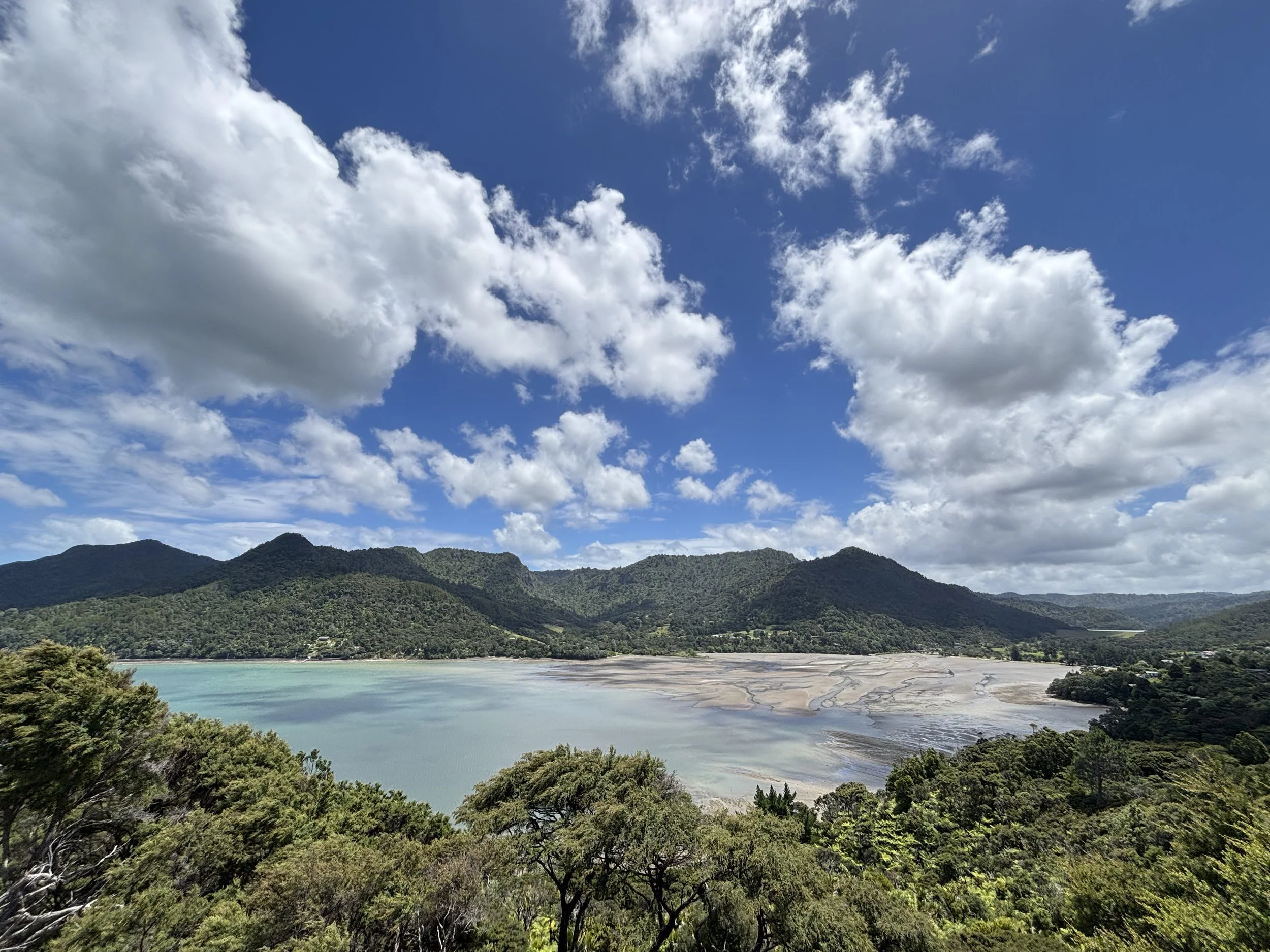
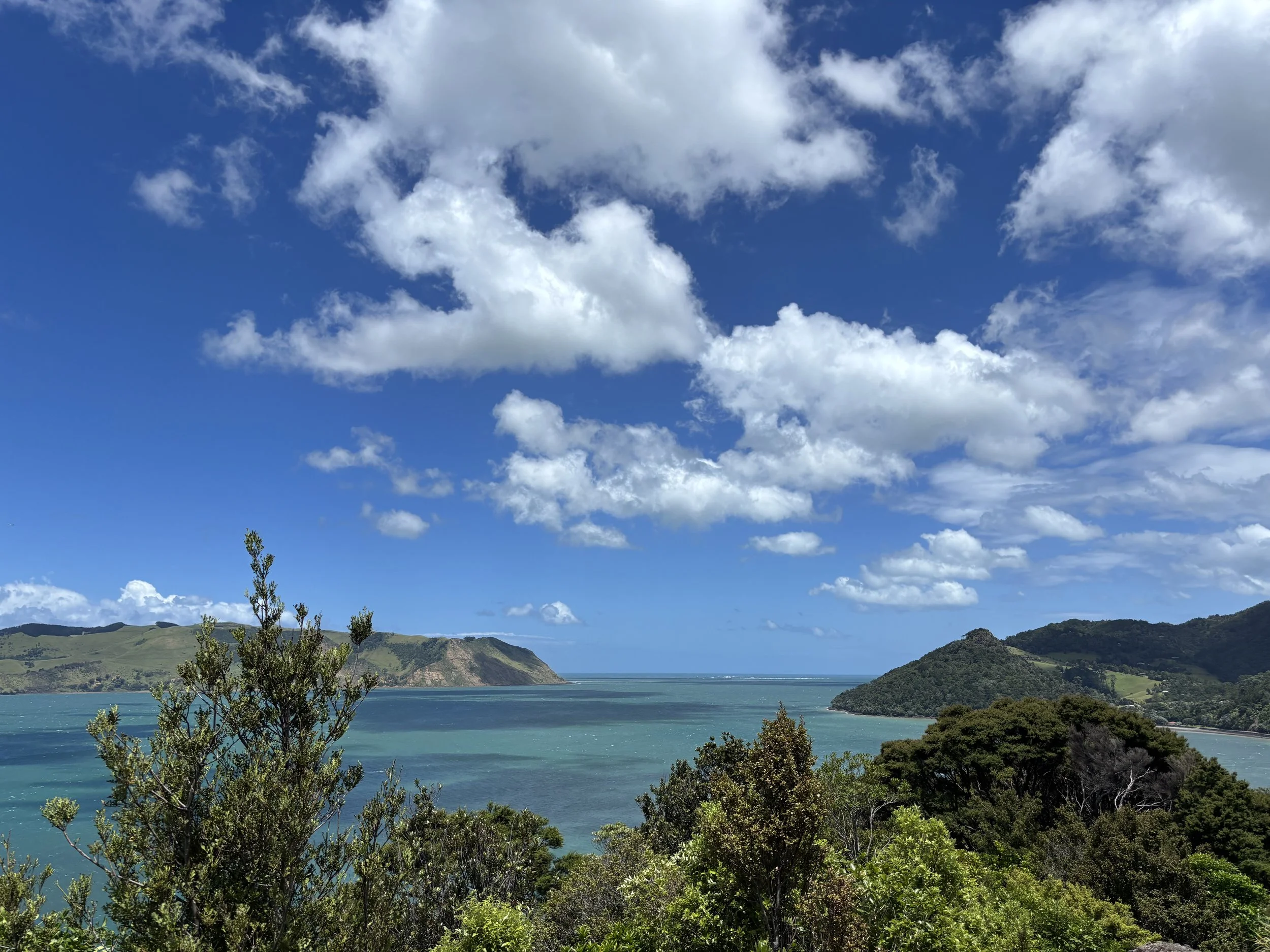
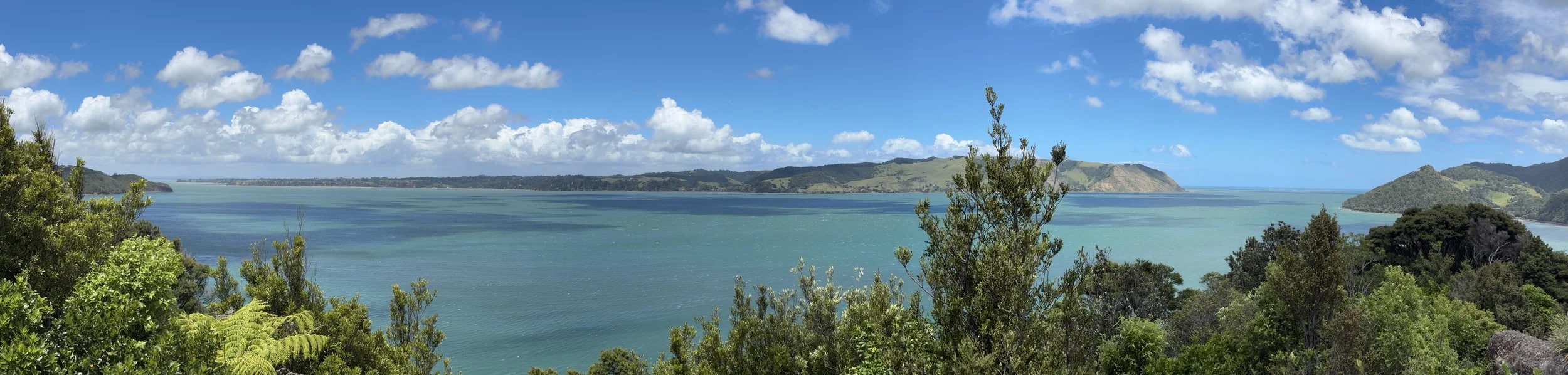
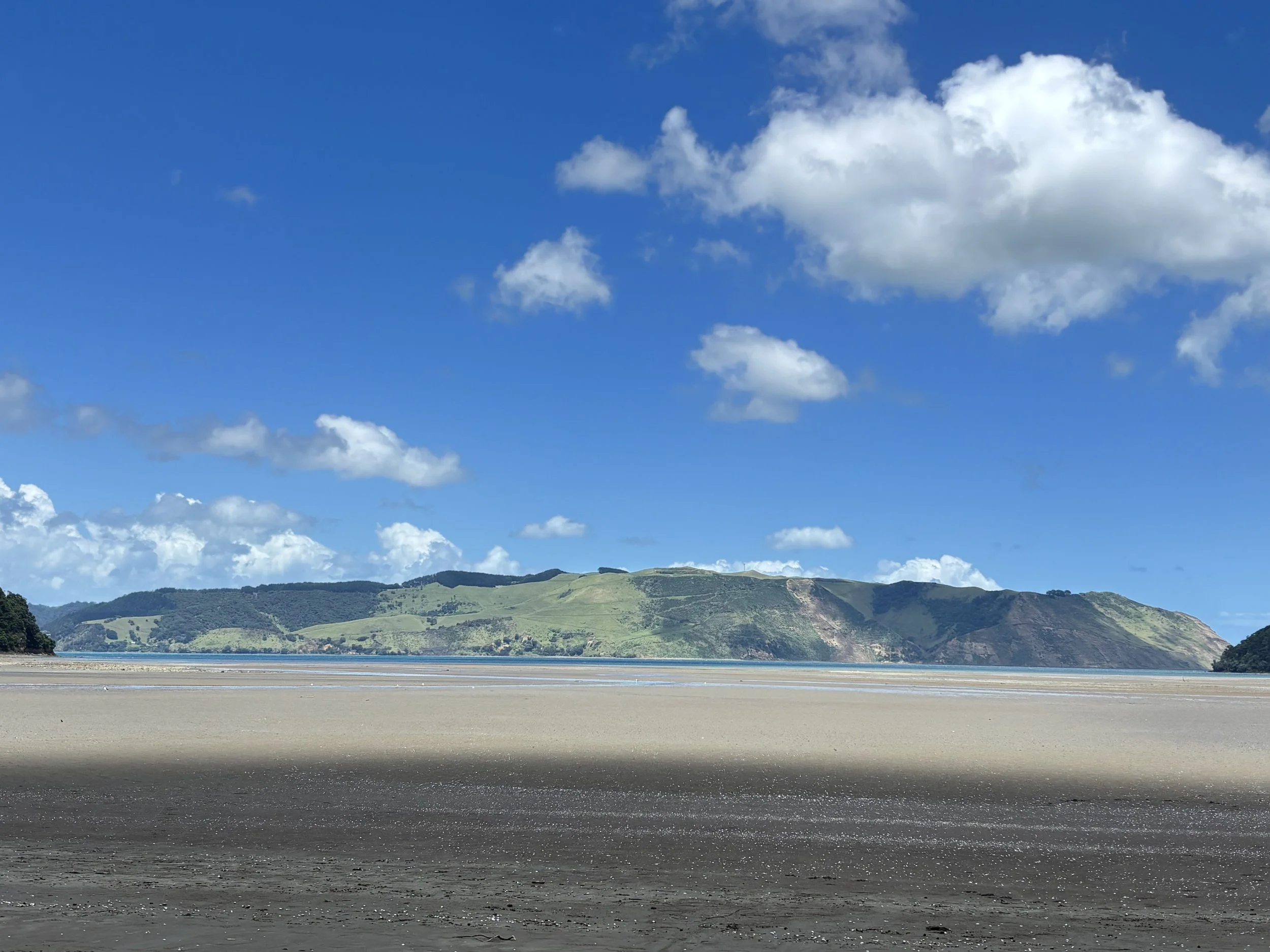
Huia is very pretty, it feels very far away from the supermarket - for better or worse. The views of the harbour are stunning and when the sun is out the blue sea puts on a show. Again at low tide the actual Huia beach is a quicksand nightmare only the 90s could prepare you for. The bird’s eye view of the rivulets clinging to the shore make up for the lack of walkability.
Whatipu
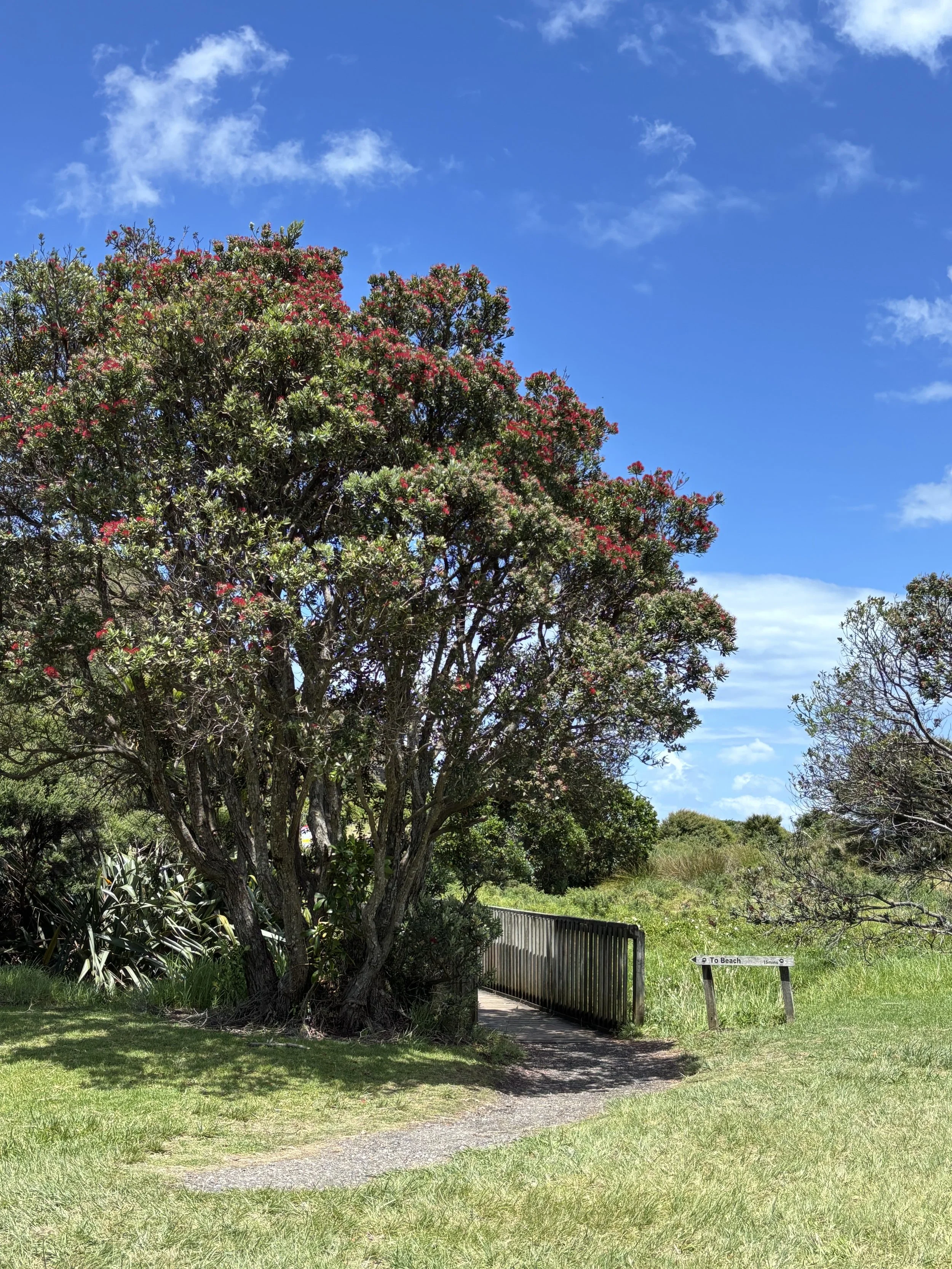
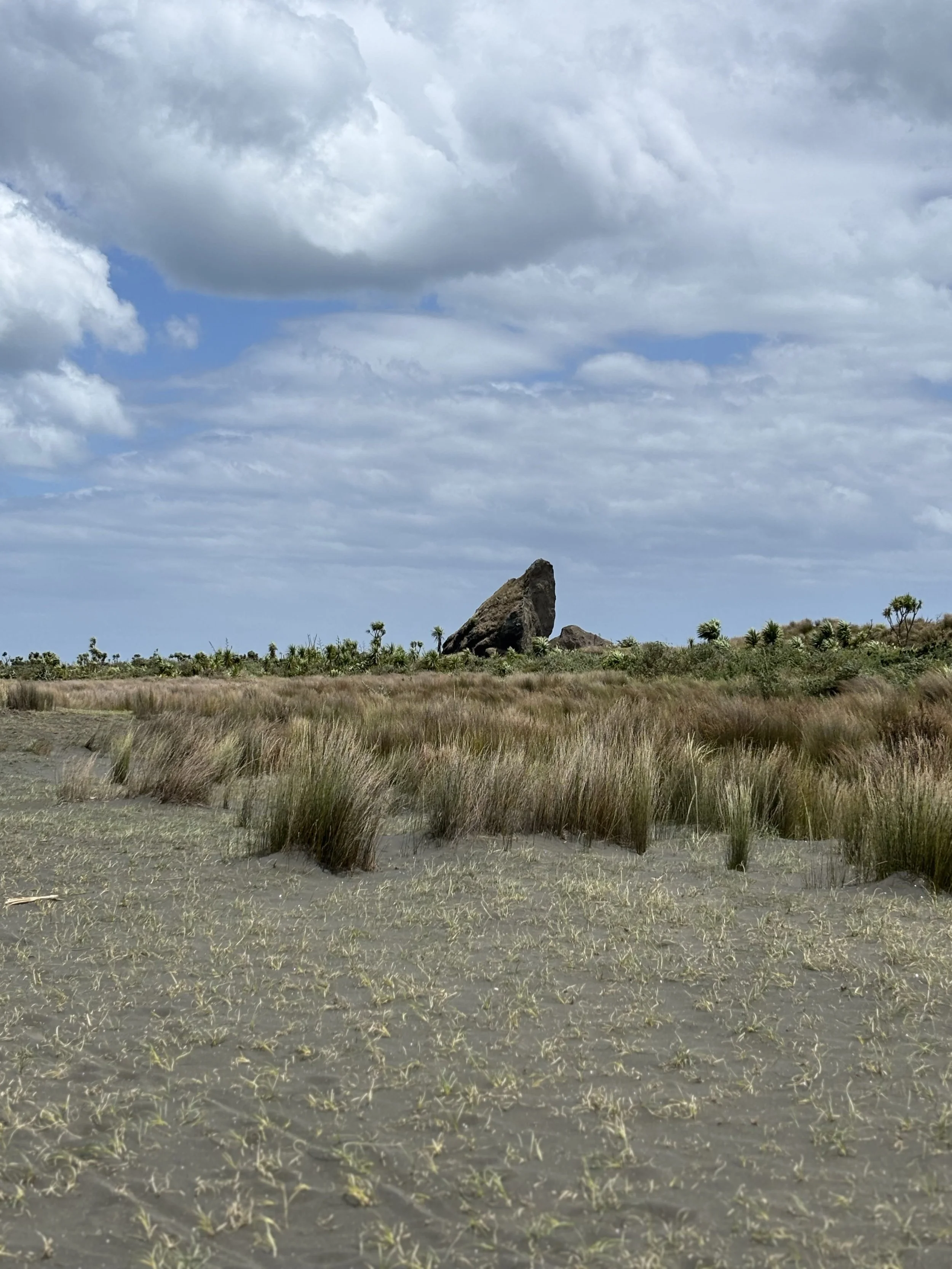
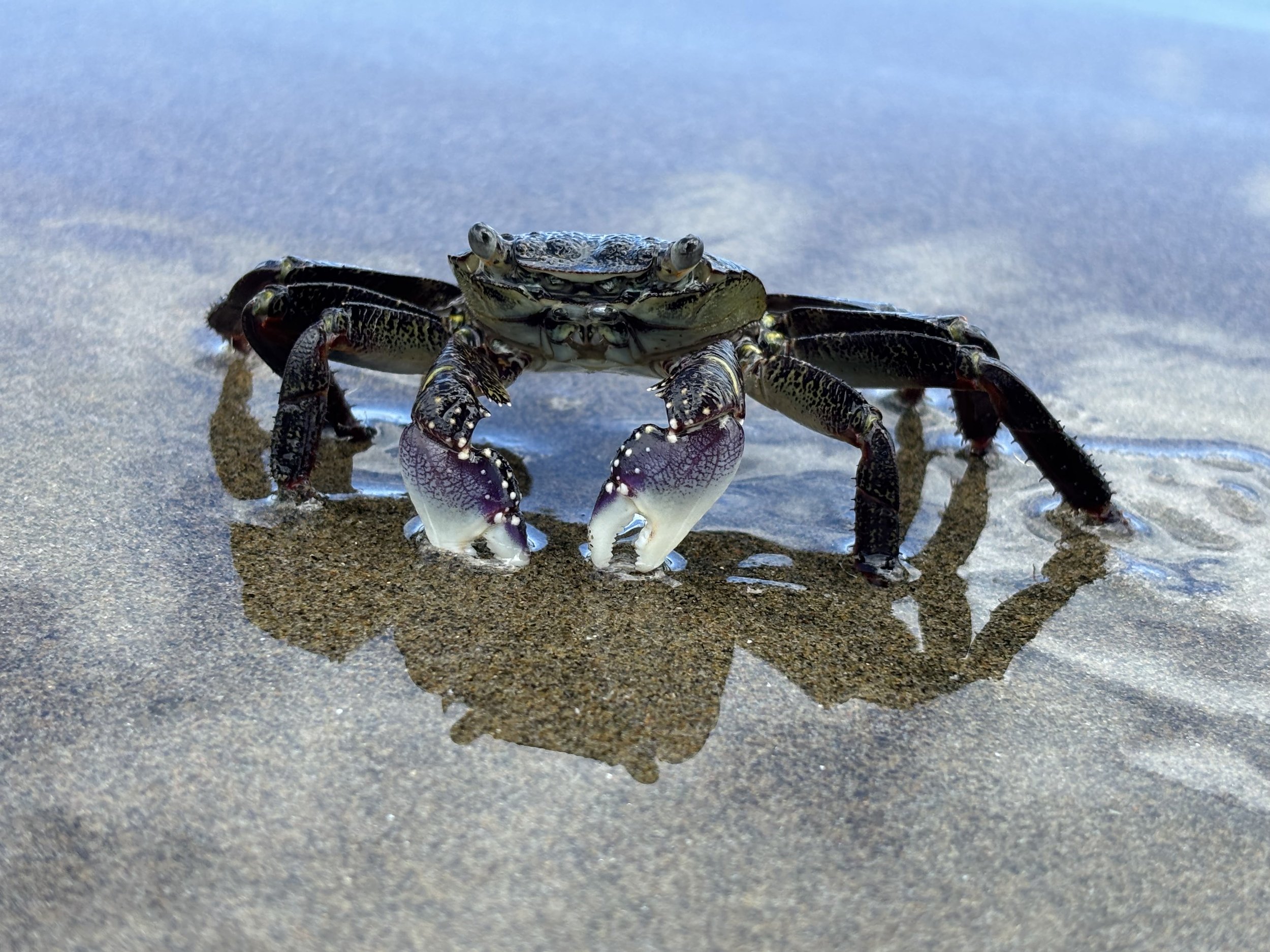
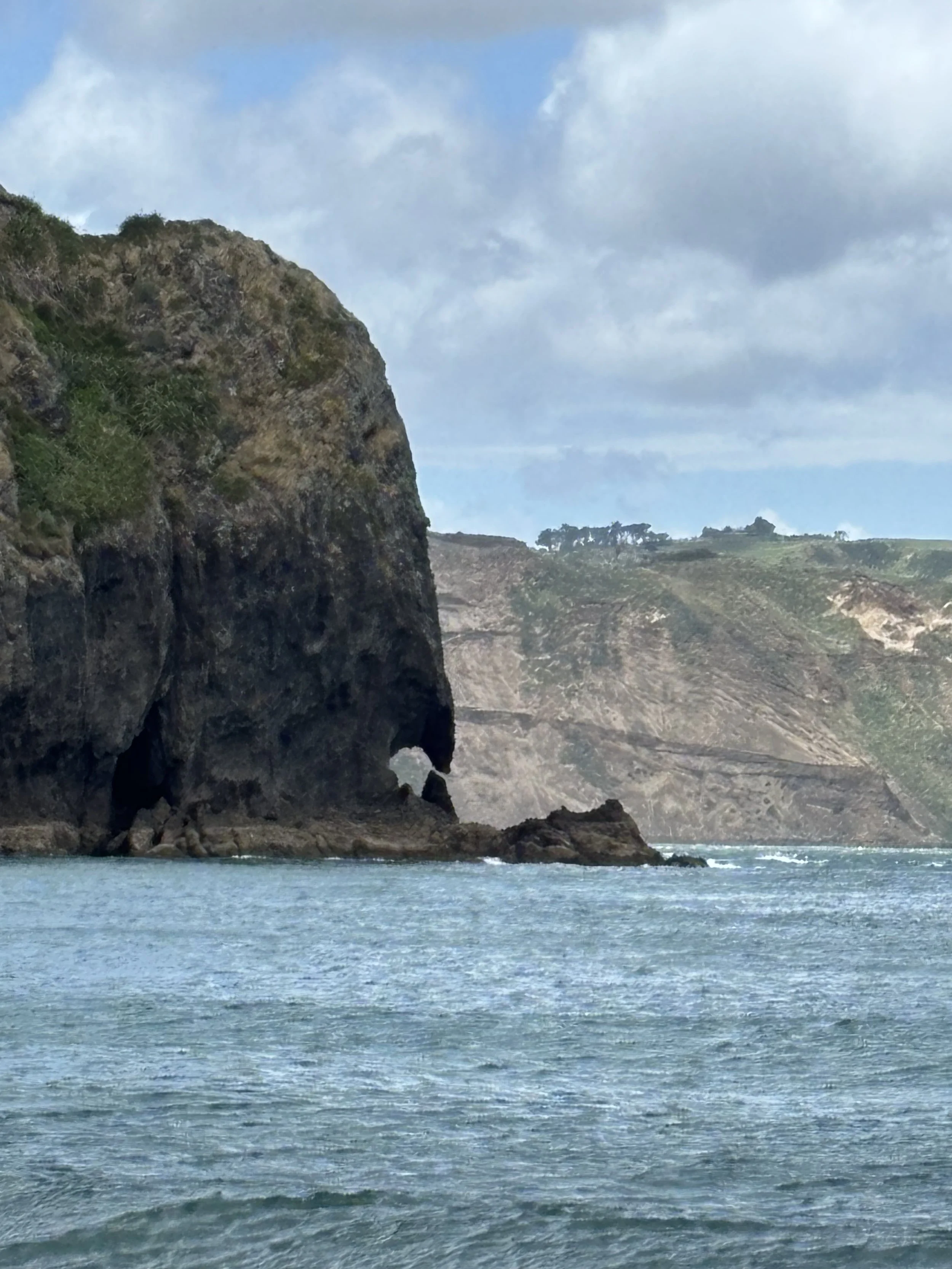
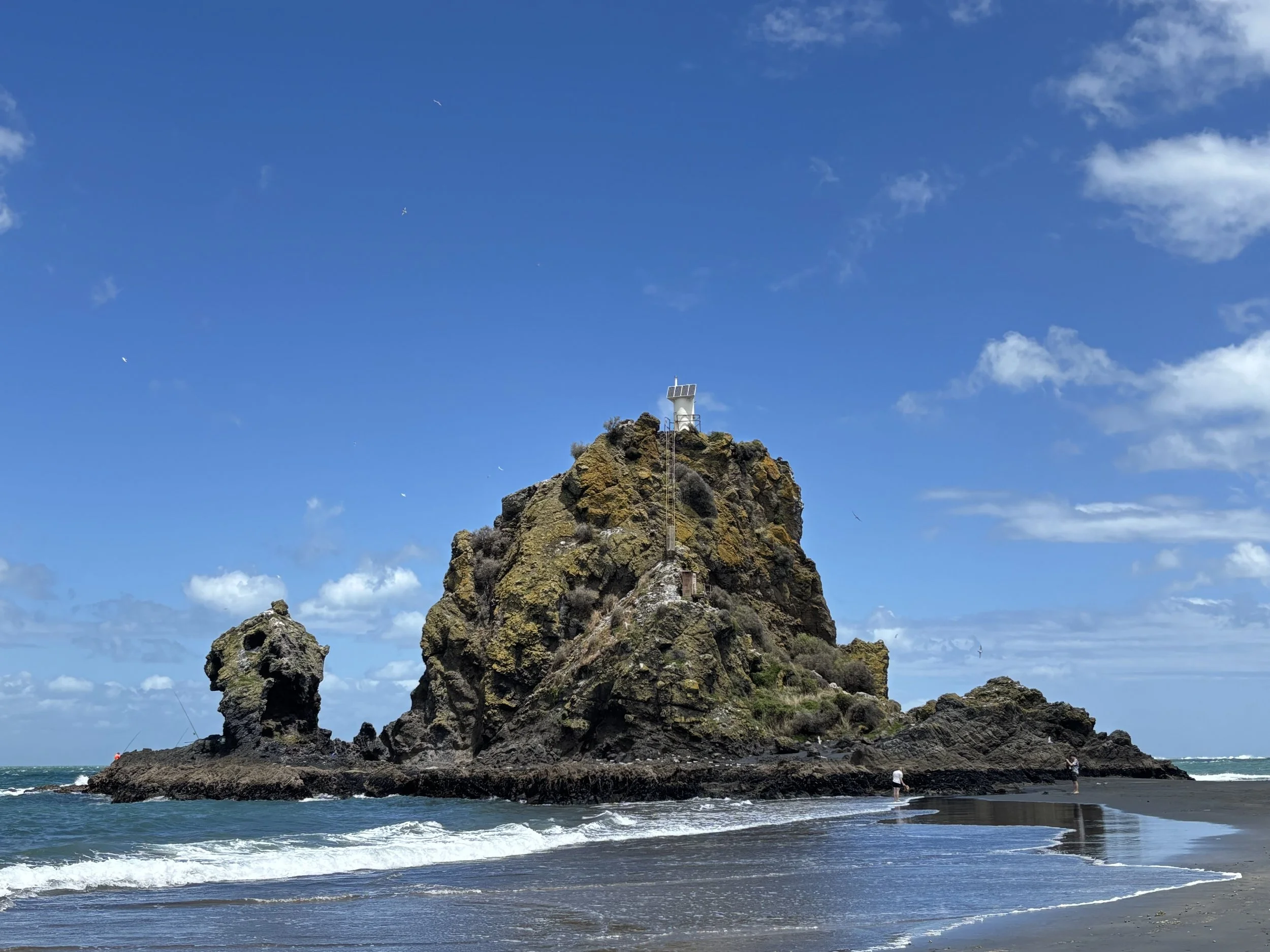
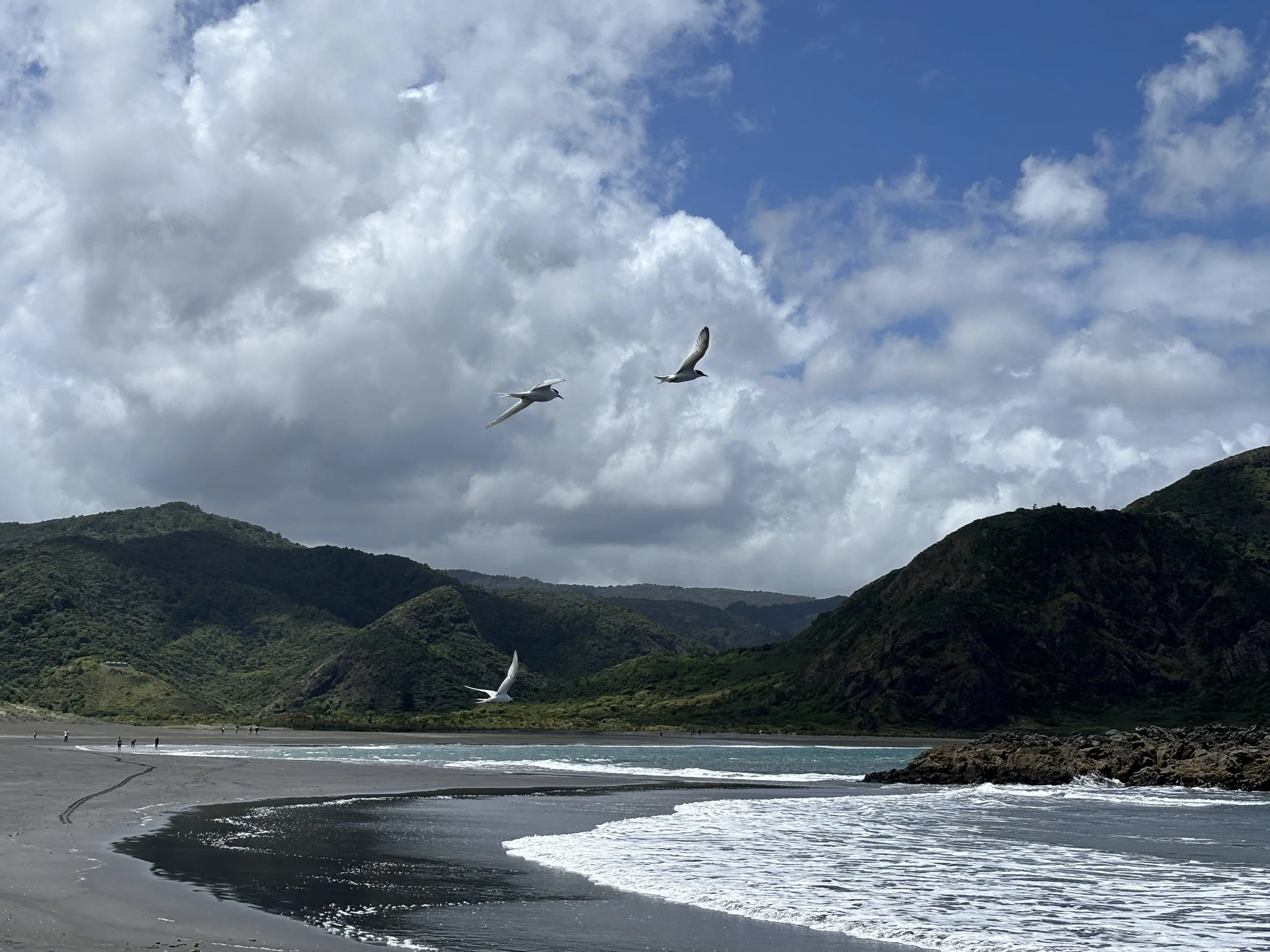
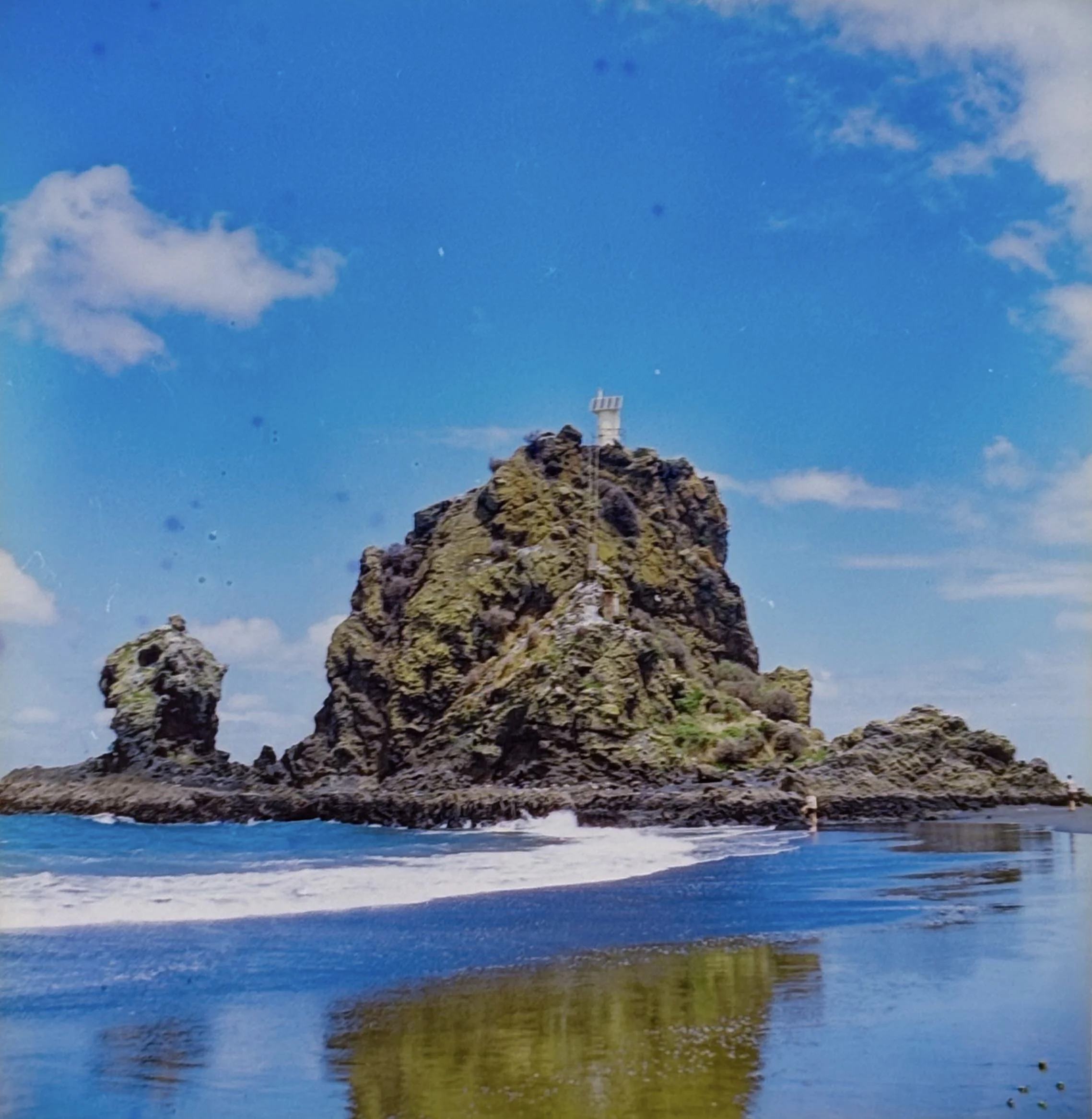
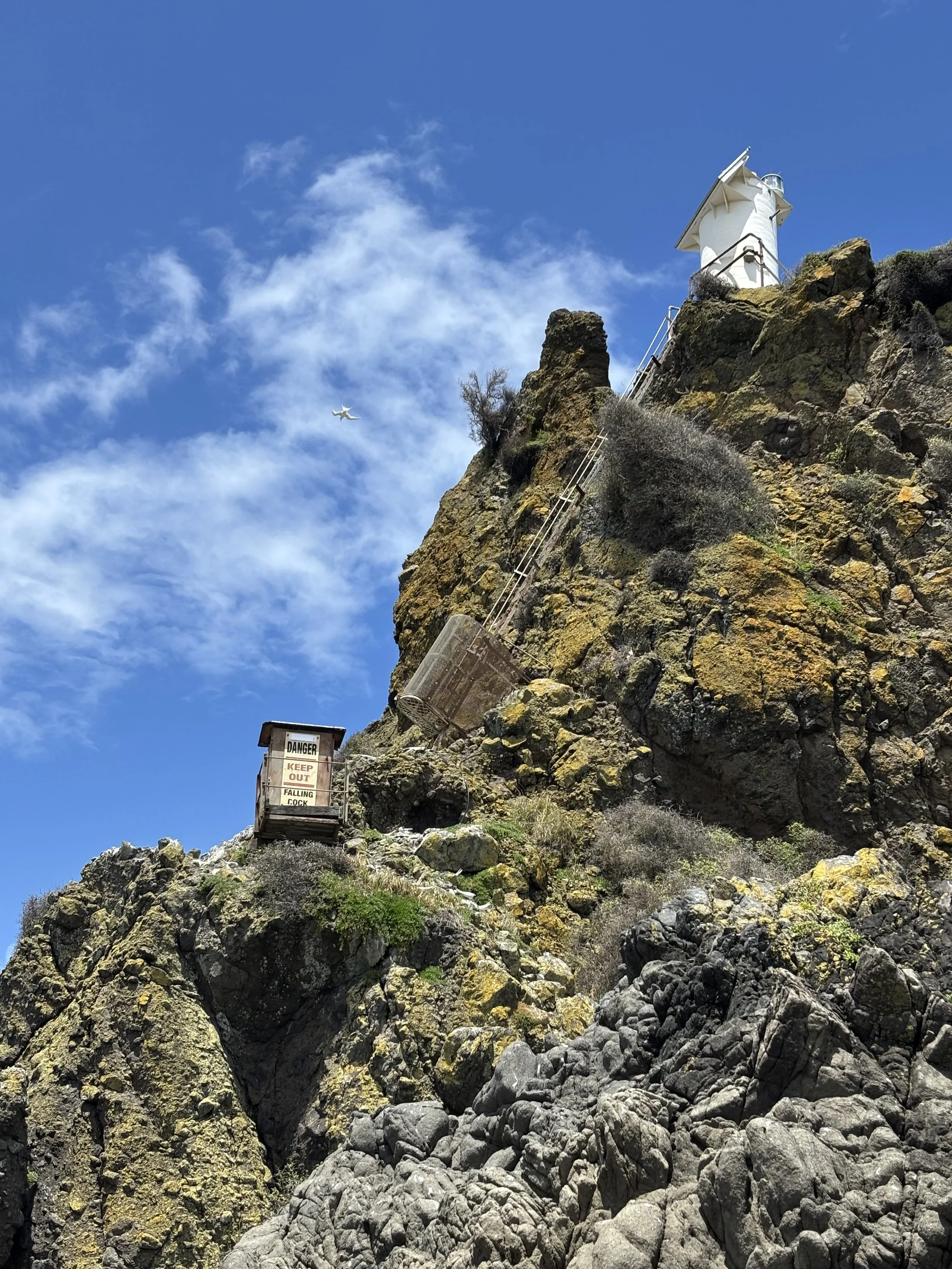
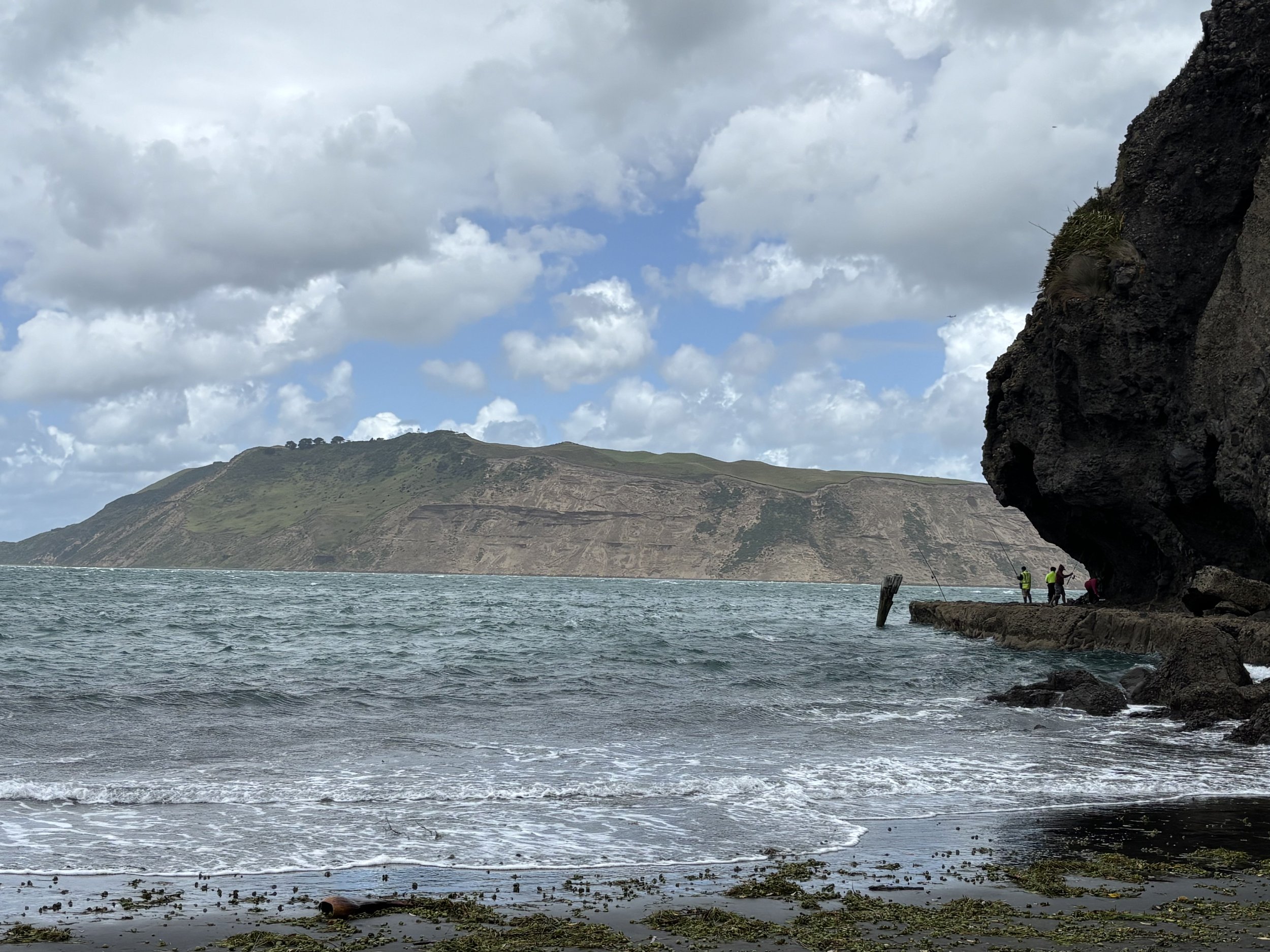
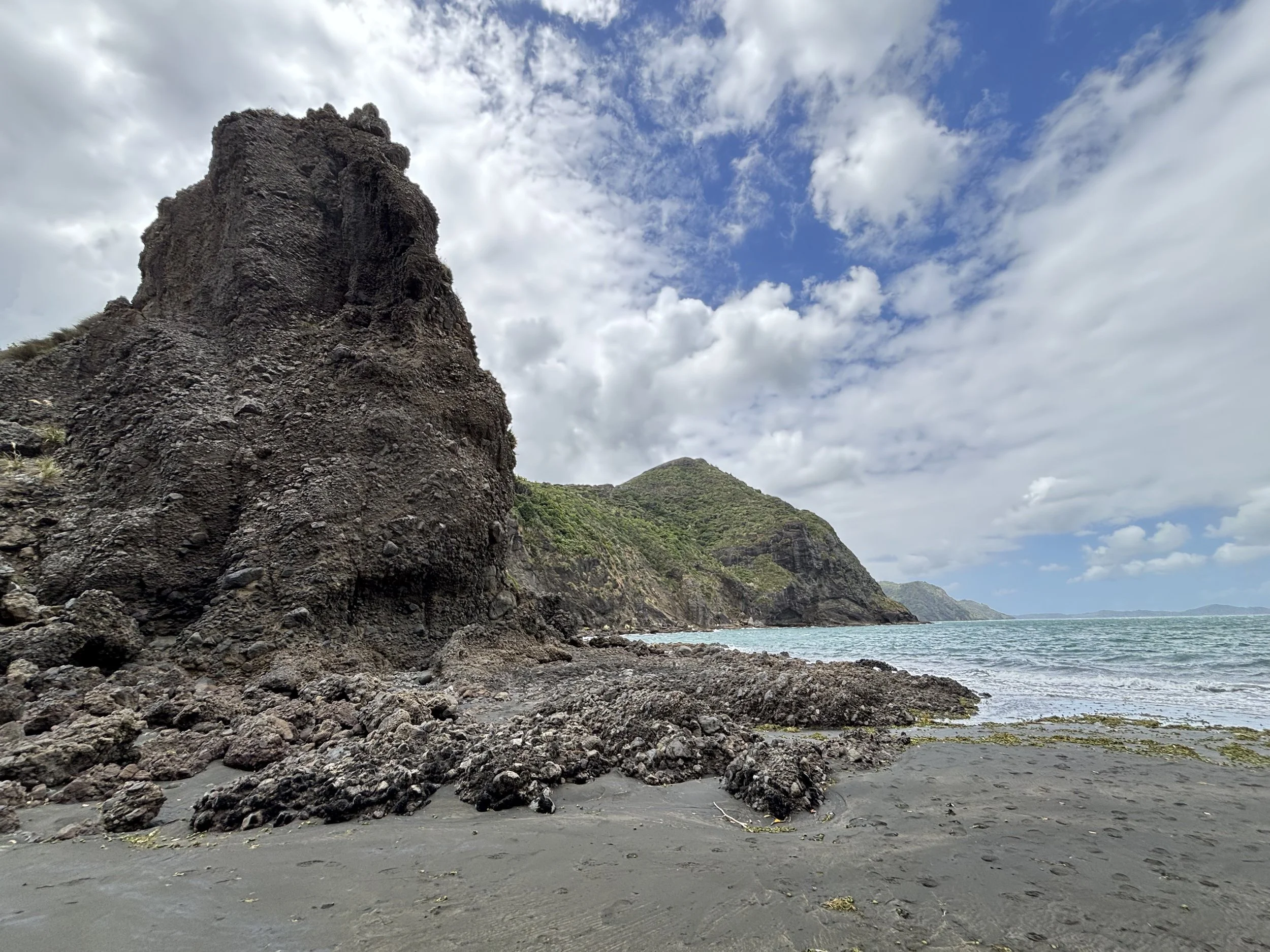
The southernmost beach and the last that I visited. Whatipu takes you out for longer than seems plausible before you finally arrive at the unbelievably crowded carpark. Where did all of these people come from the road is dust for the last forty minutes!
There is a campsite not far from the beach and it seems to be a popular fishing spot. Arriving and finding the darkest sand on the dunes I knew that the walk would burn my feet and there was going to be something worthwhile on the other side.
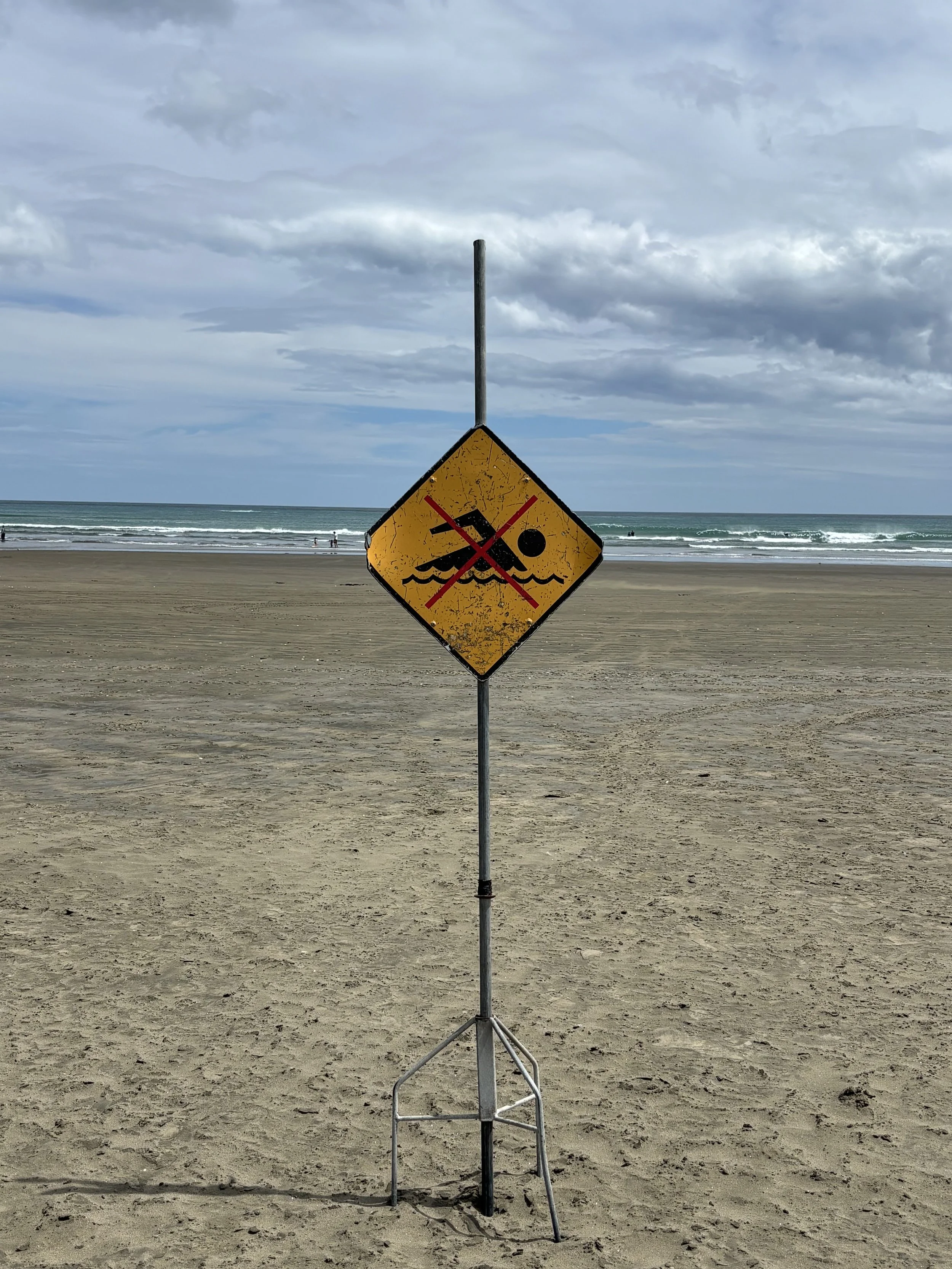
The beach here finally comes into view and the blue contrasts against every other colour on the beach it is a standout moment. There is something to look at from every angle and things happening all over the place. The day I visited the wind was brutal and you could see the waves of it coming before you were sandblasted relentlessly. This is another beach that does not recommend swimming or provide lifeguards, this makes sens at the mouth of the harbour the wind and the currents are harsh. There is a river back towards the carpark and some caves that may well have some chances to dip your feet near.
Whatipu is so far away that the chances of visiting it with any frequency are laughable. It is beautiful and has so much going on that it does deserve a second trip.
It feels correct now to have completed the collection. There are lots of other pockets and bays that aren’t really accessible and I am happy to let them be, they don’t need us clomping all over them.
The west coast lives up to its reputation every single time, the drama of the volcanic, the deeply unsafe swimming conditions, and you can tell that all of these places are loved. Every single beach - even foggy Anawhata, had at least one other party visiting. The Waitākere Ranges are full of people making the most of every second in the space and interacting with it as much as possible.
It feels a real privilege to have such a gift on our doorstep.
And the Waitākere volcano was absolutely massive, a real whopper. That is my other takeaway, that it was a beast of a volcano.